RESILIENCE IN THE FACE OF ADVERSITY
by Angela Hagenbach
“1 April 1862—Slaves are daily escaping—being enticed away and helped by the soldiers. A State Law allows a $100 reward to be paid by the master for returning a runaway. Organized parties entice a slave away, and confederates capture him and claim the reward.”
—W. H. Paxton, Annals of Platte County, Missouri page 325a
Corporal Simon Dayton
79th United States Colored Troop - Company C
1815-1863
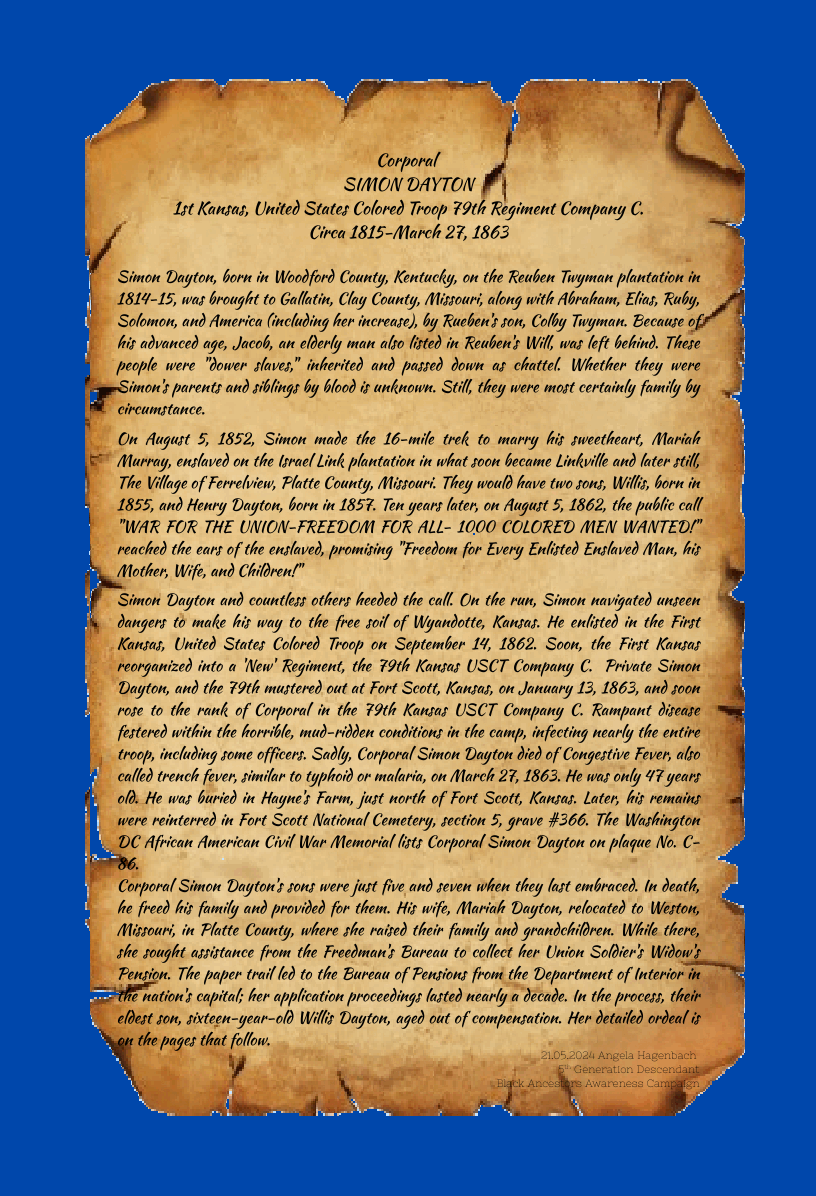
Simon Dayton entered the world enslaved circa 1815 on the Reuben Twyman Plantation in Woodford County, Kentucky. Considered chattel, Simon, Abraham, Elias, Ruby, Solomon, and America, “including her increase,” were dower slaves inherited by Reuben’s son, Colby Twyman. Reuben Twyman’s Will, dated 1 March 1844, also included lands, funds, cattle, plus $300 “for the maintenance of my old Negro man, Jacob…” listed in his estate. Whether Jacob and the others are Simon’s family is a discovery for another day.
The 1840 U.S. Federal Slave Schedules indicate Simon and his fellow enslaved were living in Gallatin Township, Clay County, Missouri, on Colby Twyman’s considerable estate. By 1850, Twyman, listed as a farmer, had six working-age forced laborers and a two-year-old baby girl.
By then, the 1850 Fugitive Slave Law was in effect, mandating white citizens to capture and “manage” freedom-seekers without due process; they were denied a trial and forbidden to testify on their behalf. Also, newly elected pro-slavery men like Missouri Representative Major Hall L. Wilkerson and other officials legislated and enforced state laws. Dr. George Bayless had purchased Hazelwood, an adjacent acreage to Wilkerson’s, along the south side of the toll road between Platte City and Weston. The Halfway House Tavern and Inn, owned by John Floersch, was on the toll road's north side. The opposing political views of these farmers were too close for comfort, and an altercation began to simmer, resulting in death and mayhem in 1851. Shackles hanging from the Halfway House cellar walls soon followed to chain enslaved men, women, and children awaiting to be sold. In addition, Abolitionist Rev. Frederick Starr, aptly called “Political Priest,” had made his home in Weston and began “agitating” for more equitable rights for the enslaved.
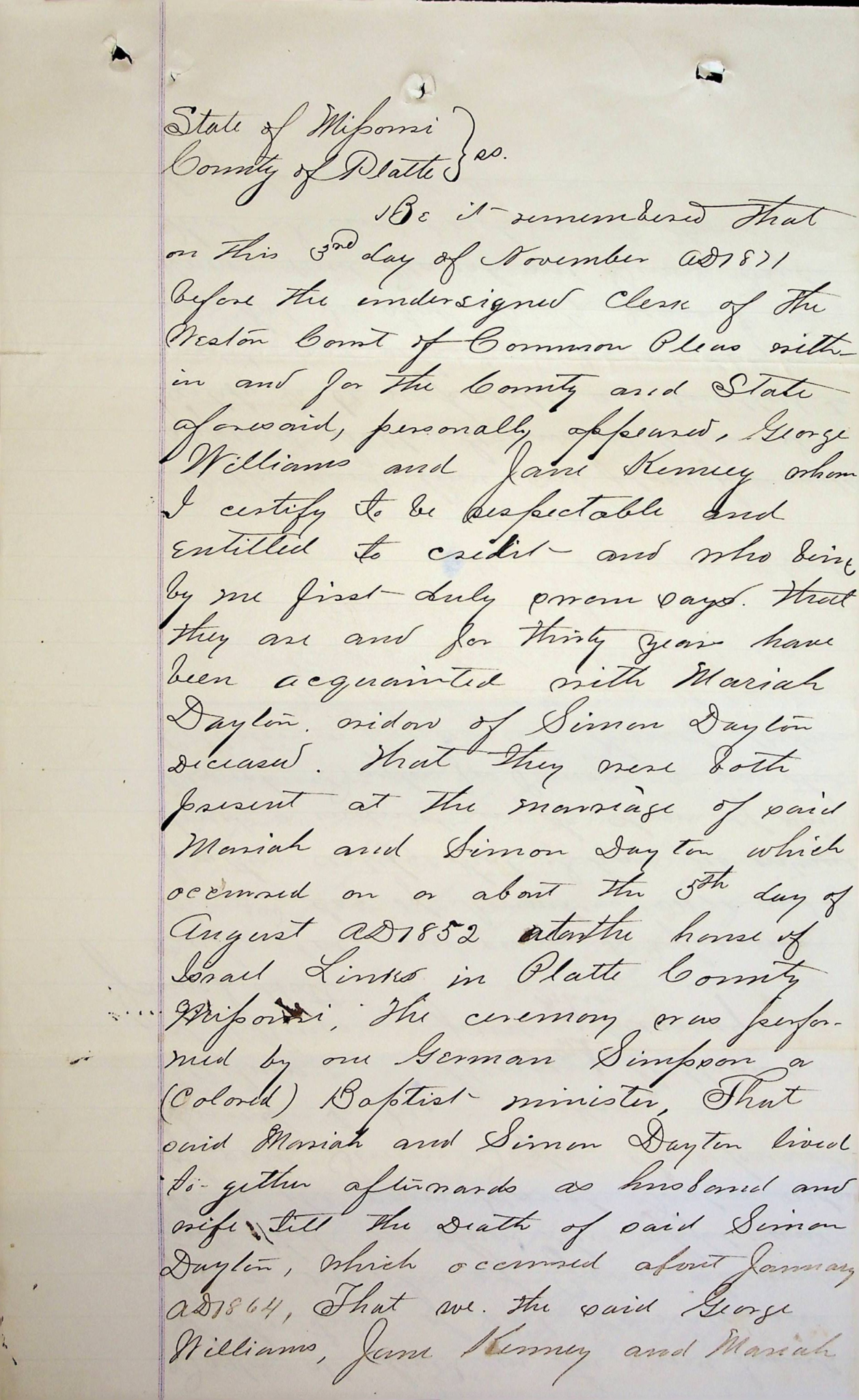
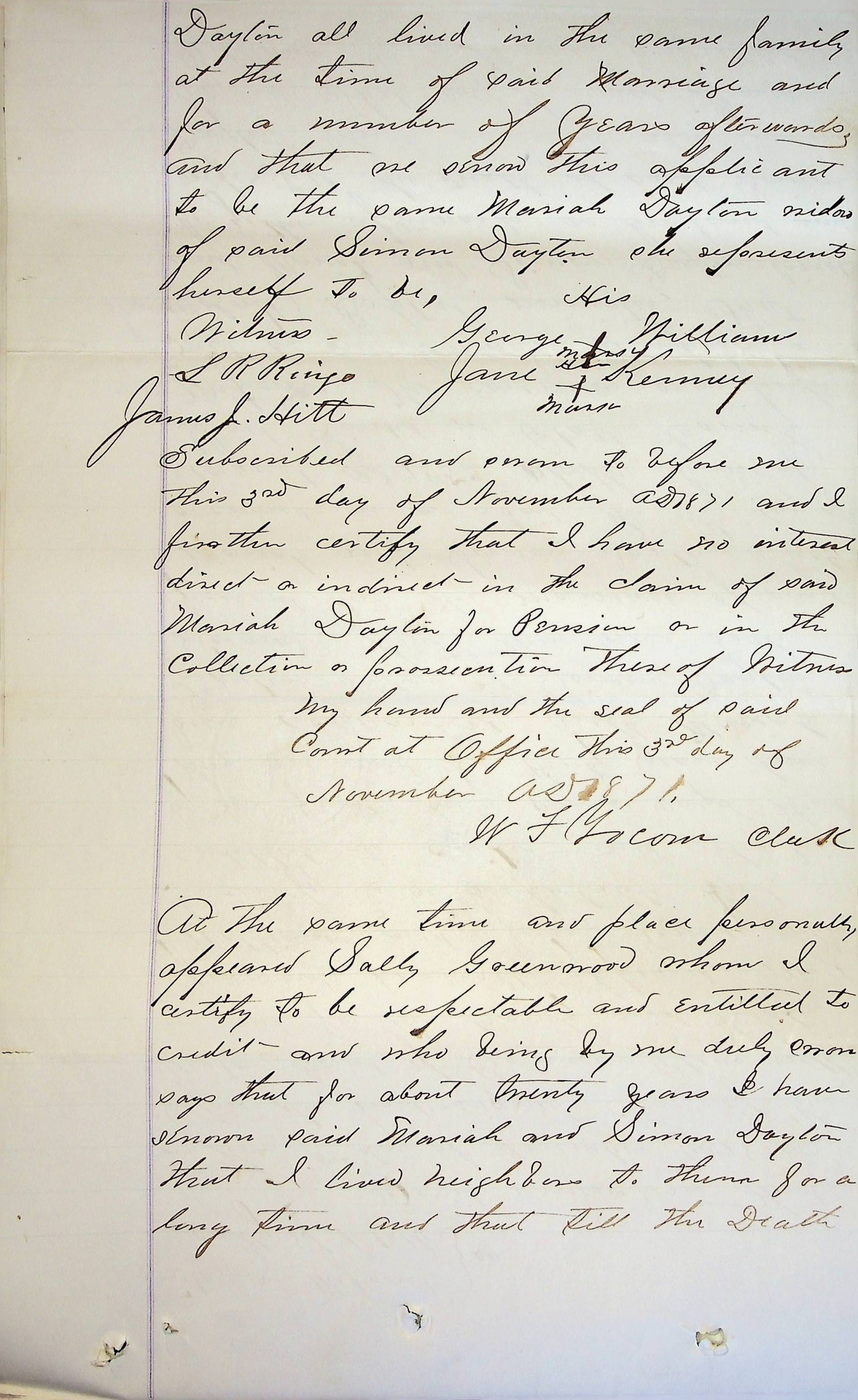
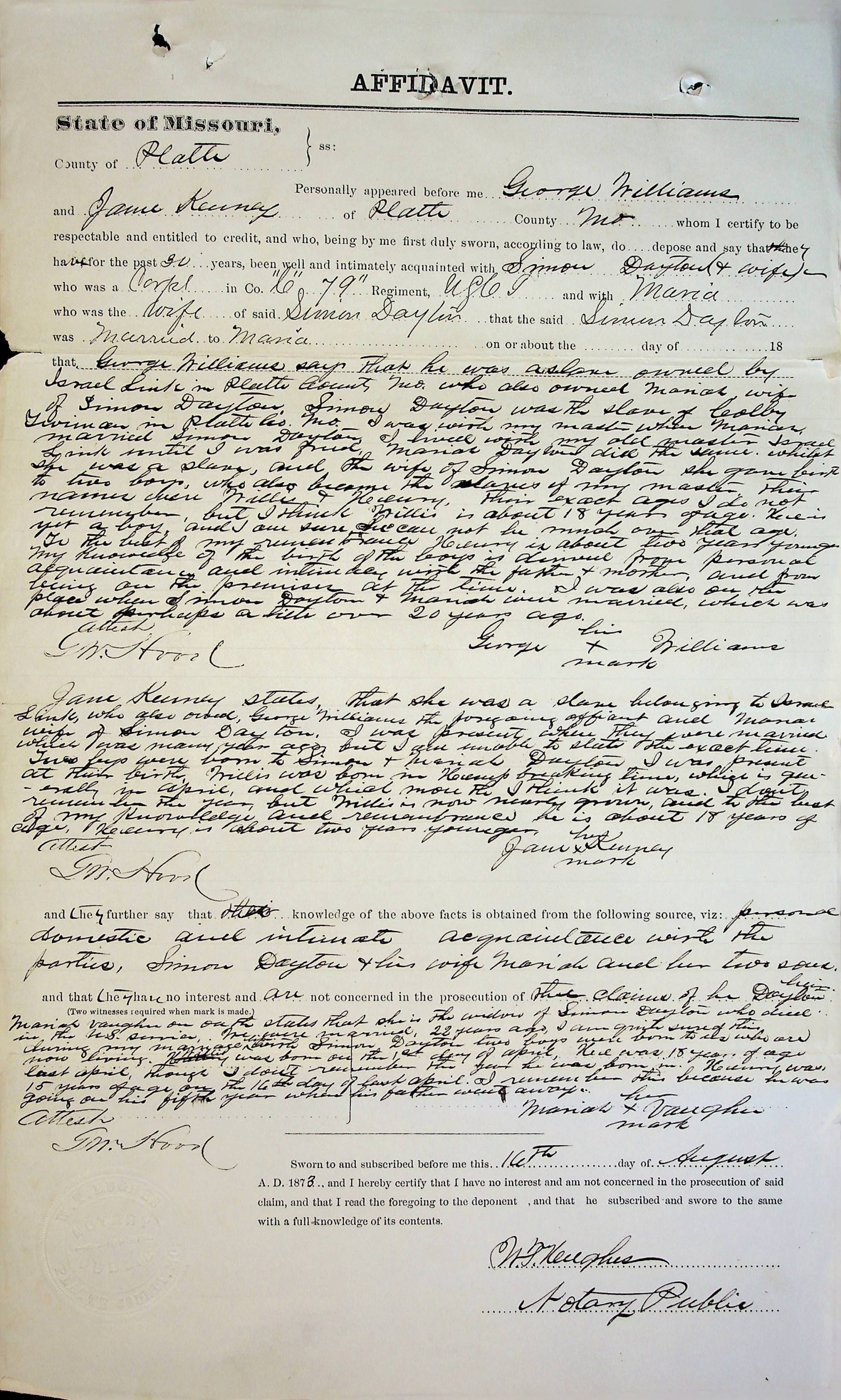
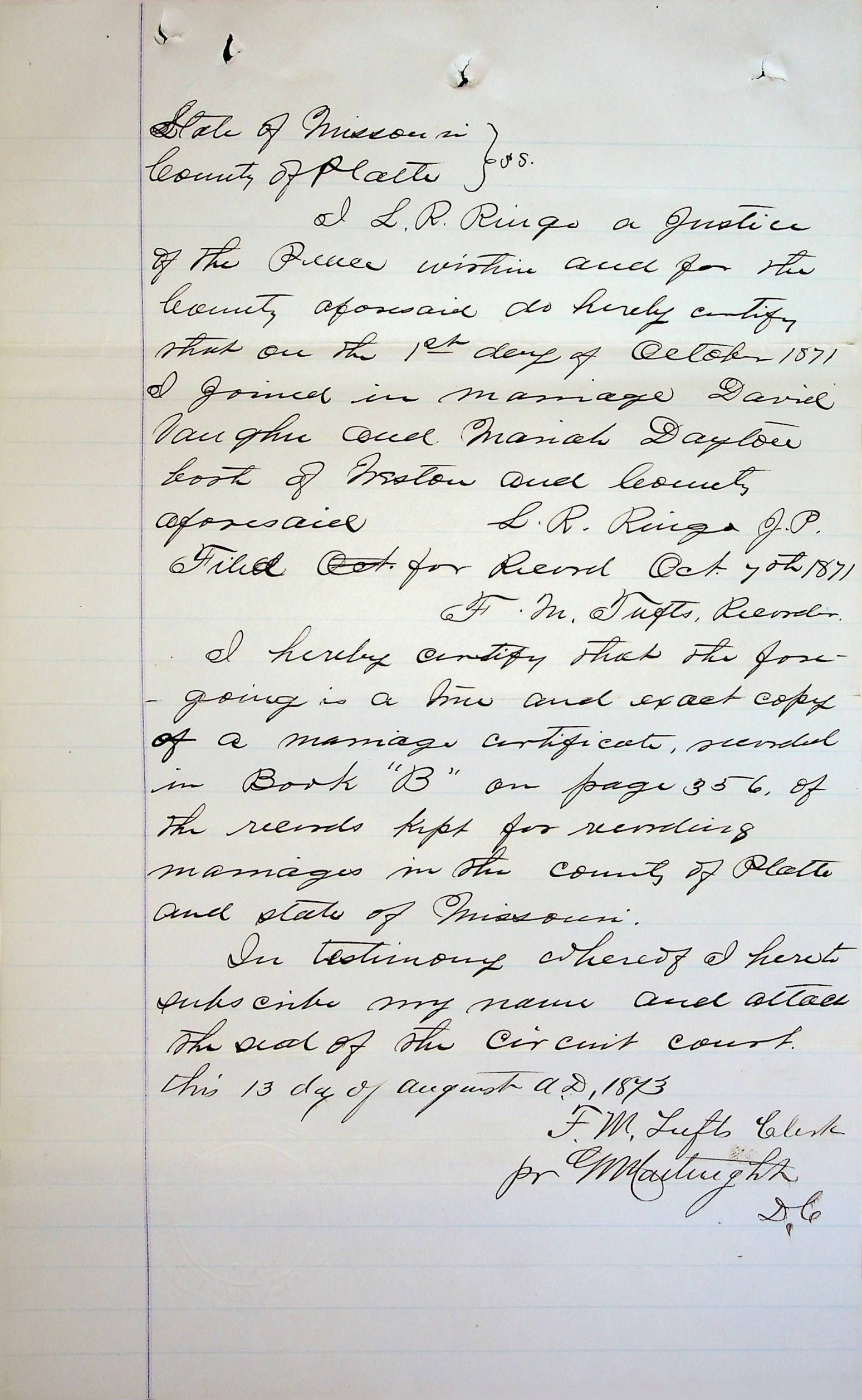
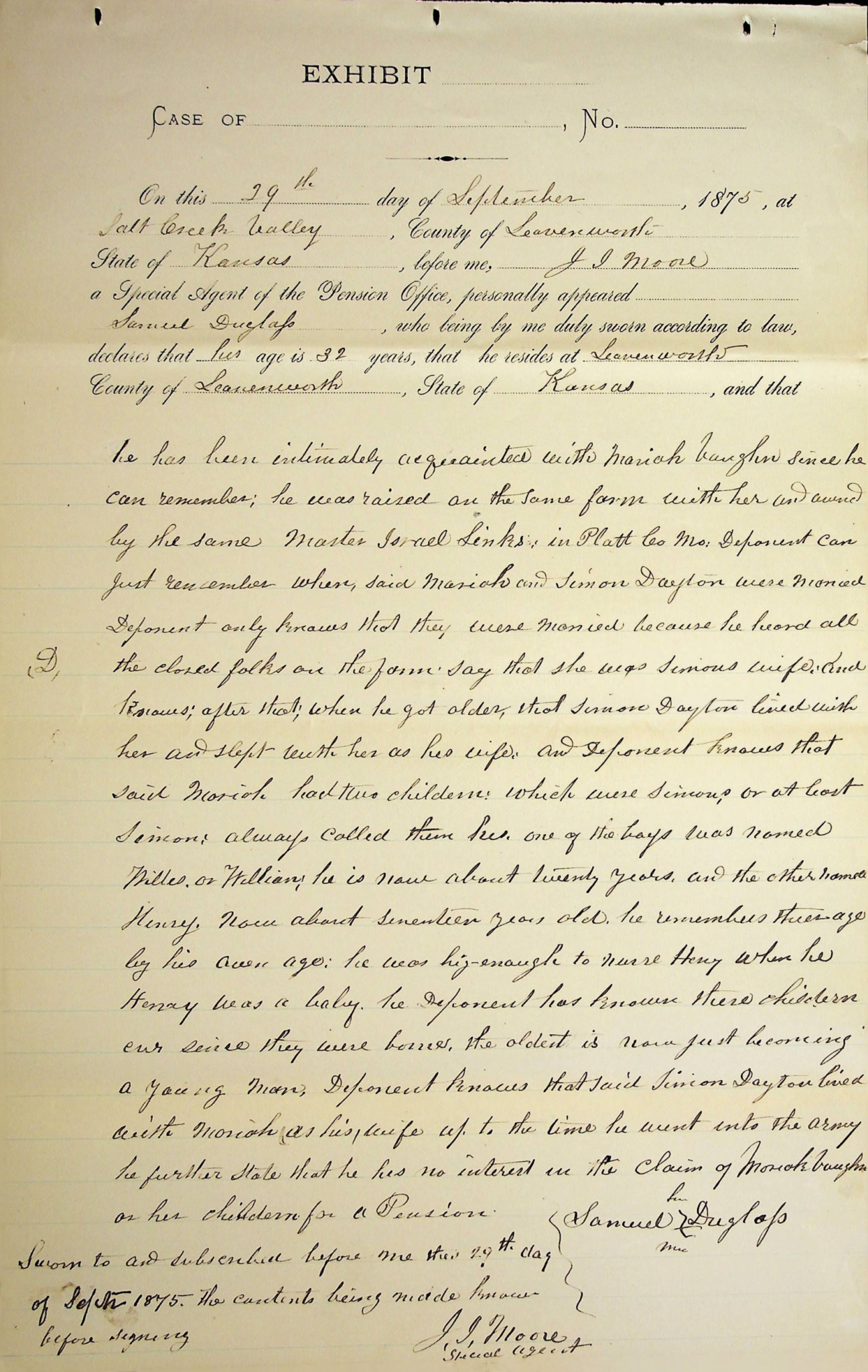
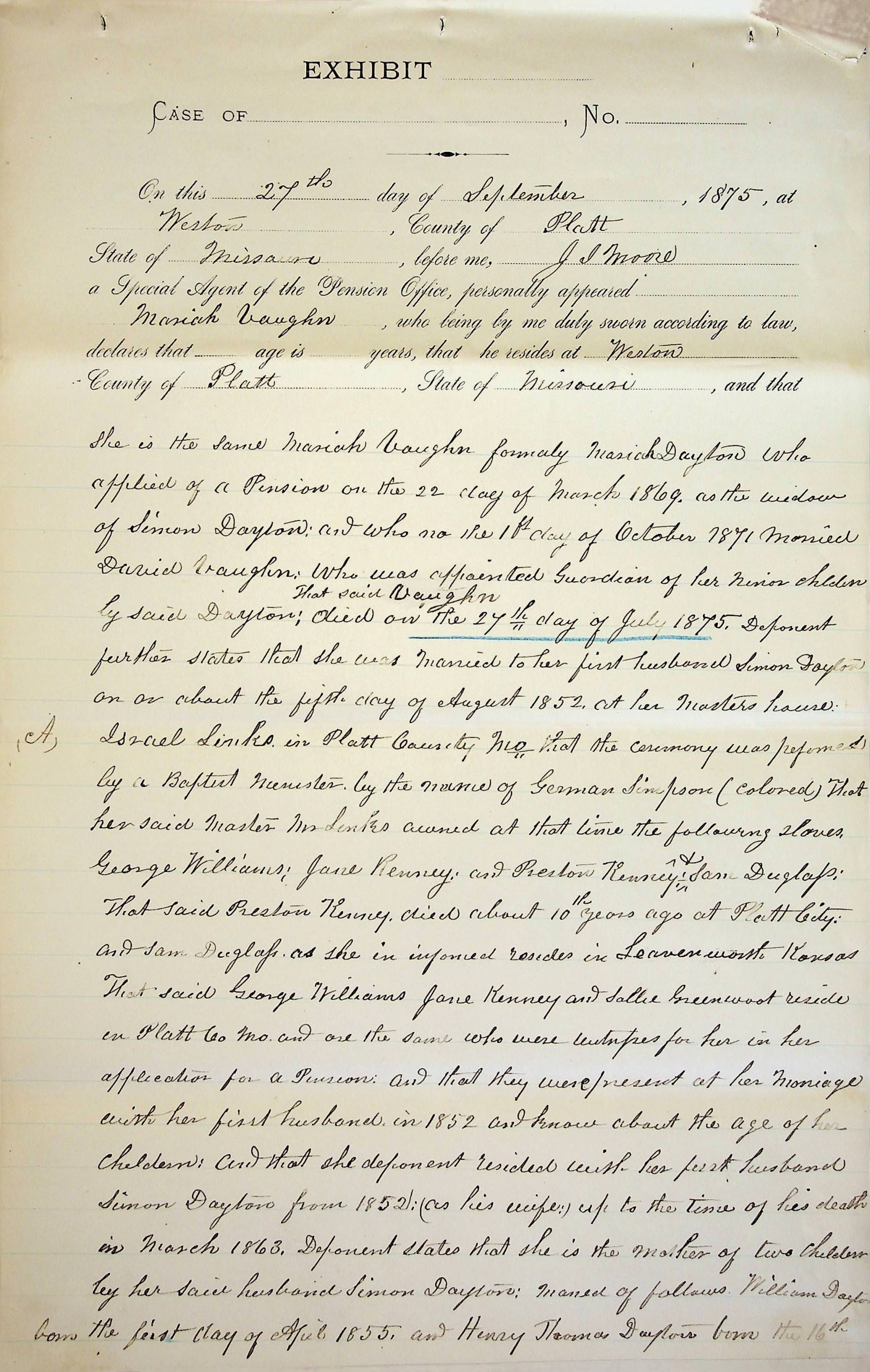
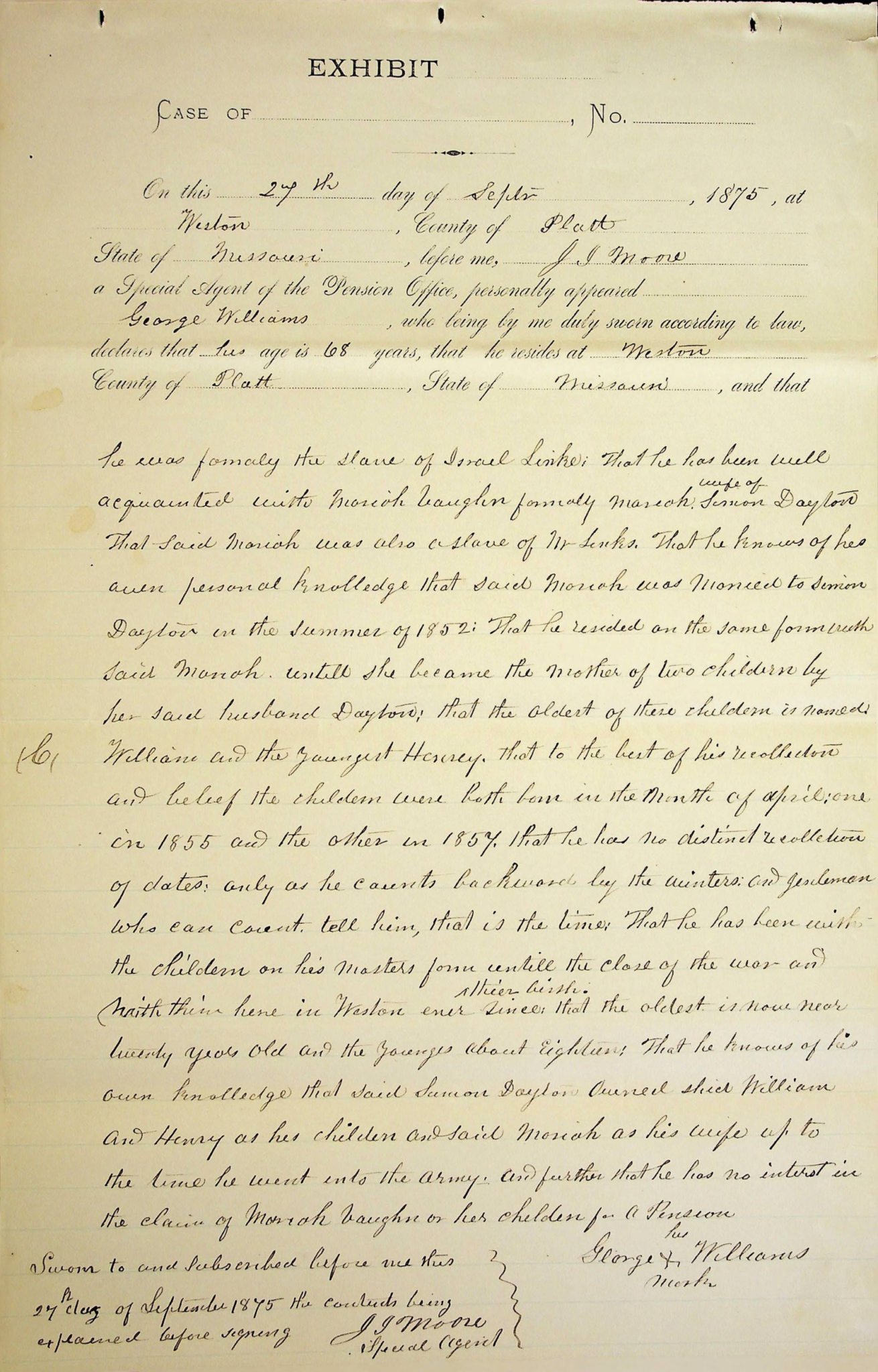
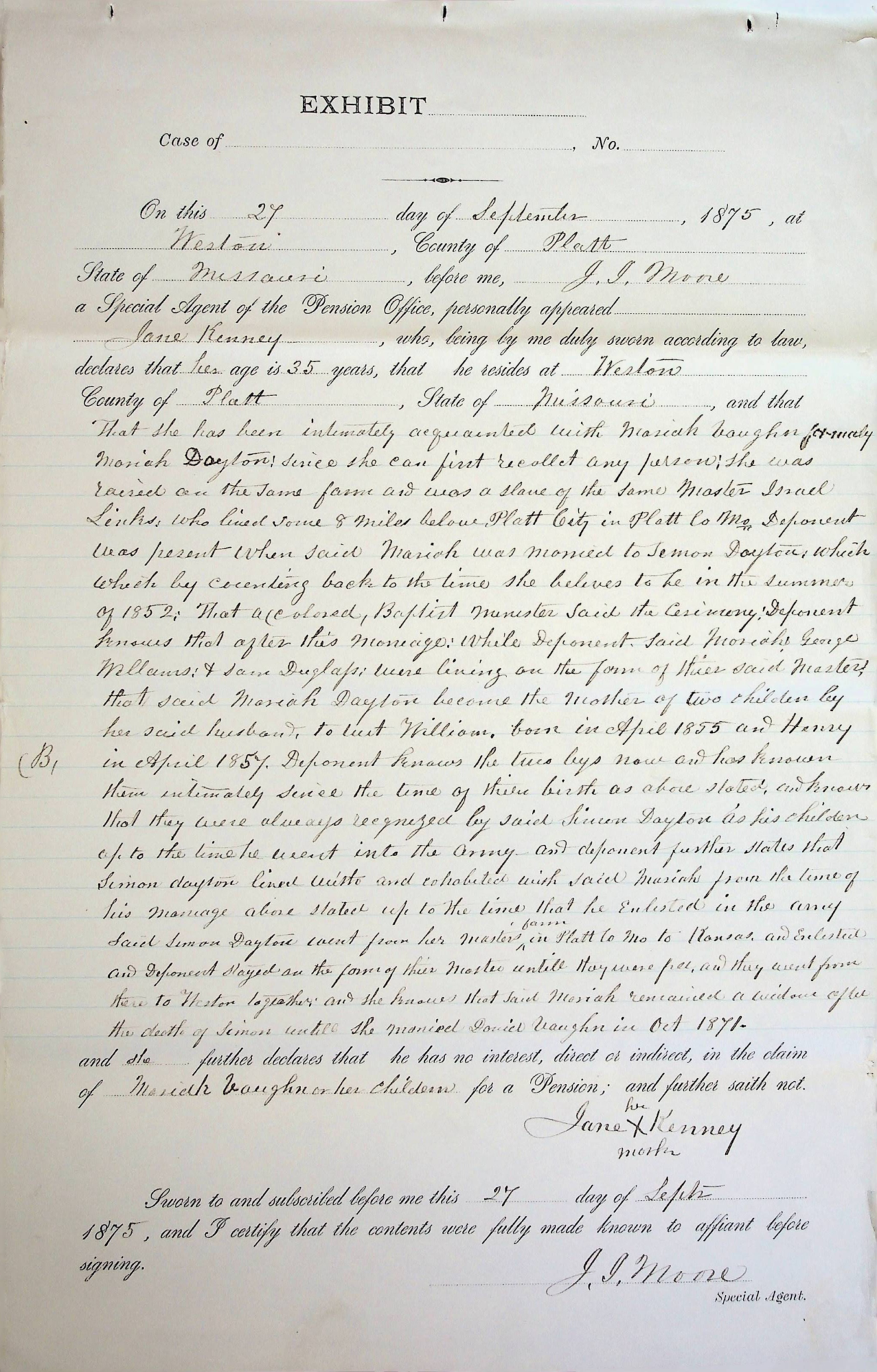
Yet Simon managed unforeseen dangers to traverse 15 miles northwest of Gallatin Township to Israel Link’s hemp and hog plantation in *Linkville, now Ferrelview, Platte County, to court his sweetheart, Mariah. How was this possible? Did Simon steal away for their rendezvous, did Colby Twyman rent Simon’s labor to Israel Link, were Twyman and Link related, or was there an agreement between enslavers? Whatever the case, Simon Dayton married Mariah “at the home of Israel Link,” some 16 miles southeast of Weston. German Simpson, a Colored Baptist Minister, performed their wedding on 5 August 1852 with the Link family in attendance; “preaching with no white officer present” was cause for indictment and a court-ordered fine. Also present were Mariah’s siblings, Jane Kenny (Kinney) and Sam Douglass, Preston Kenny (perhaps Mariah’s brother-in-law?), George Williams, and Sallie Greenwood, all enslaved on the Link Plantation.
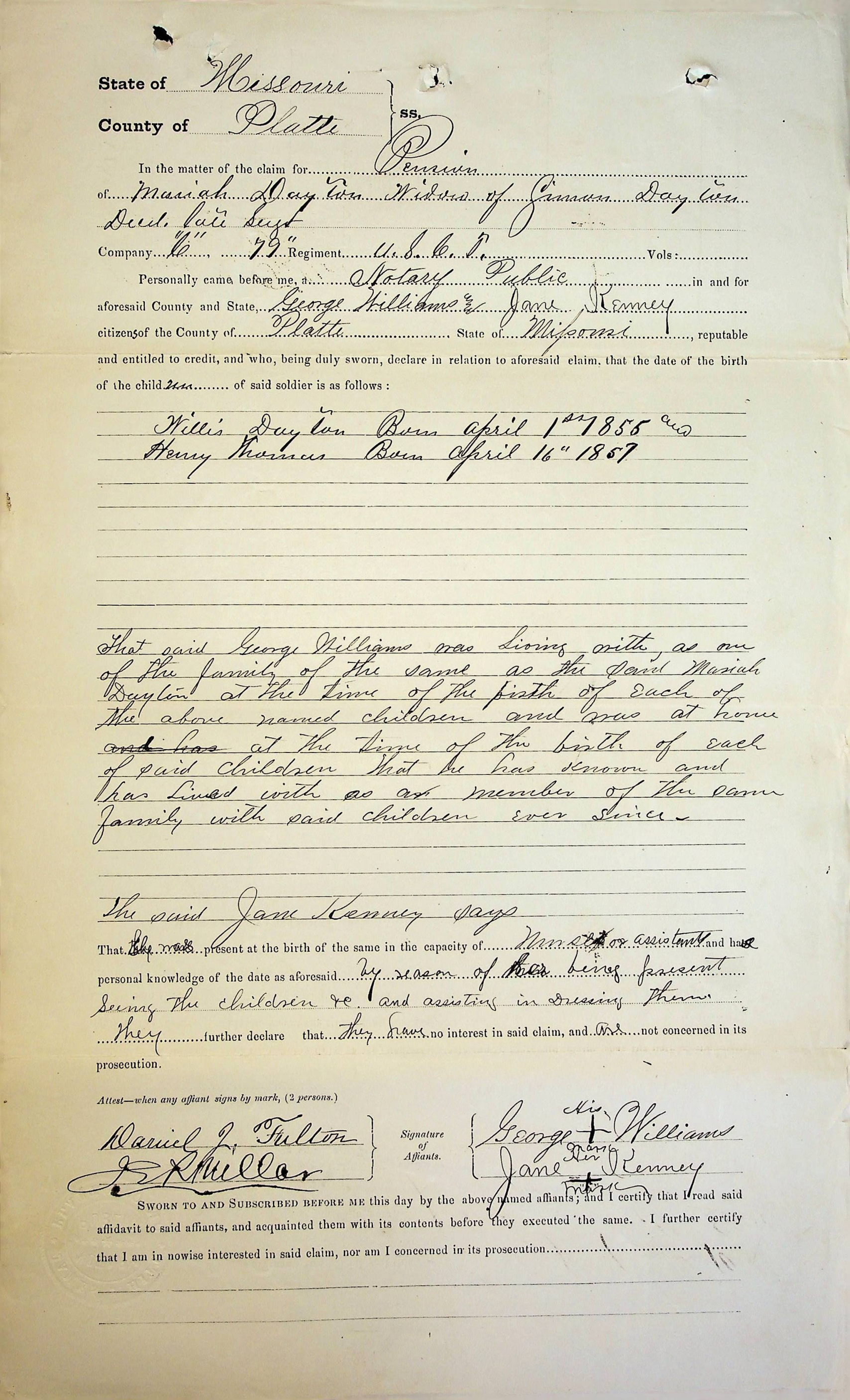
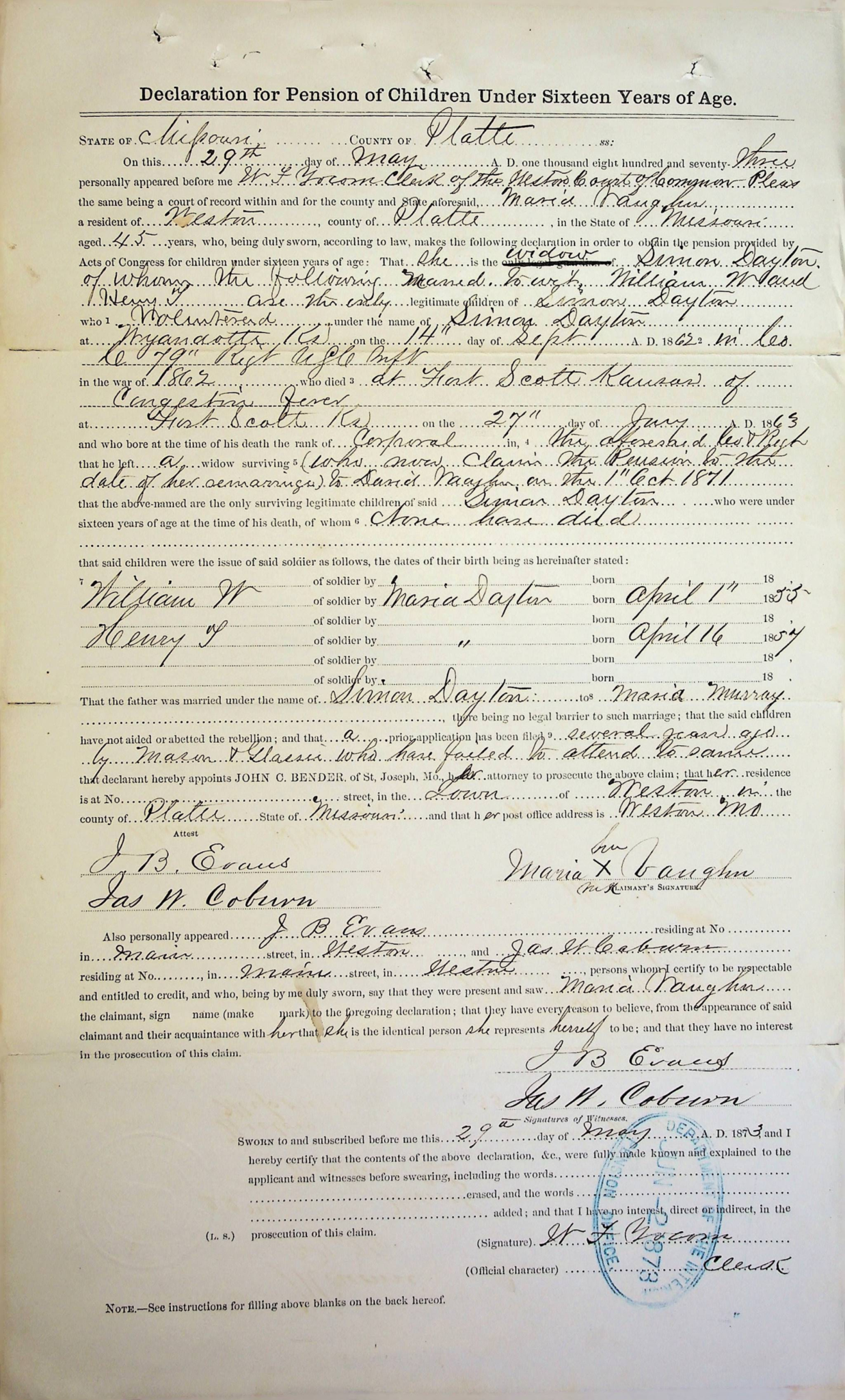
The couple gave birth to my second great-grandfather Willis Dayton in 1855 and his brother Henry in 1857, both born in April. While welcoming their children into the fold, the Border Wars commenced in 1854, lasting until 1859. Amid familial bliss, life got messy, as life is wont to do. Two years later, Confederate troops fired on Fort Sumter in South Carolina’s Charleston Harbor on 12 April 1861. The Civil War had begun.
“WAR FOR THE UNION…FREEDOM FOR ALL! 1,000 COLORED MEN WANTED…”
—Leavenworth Times, 5 August, 1862
Congress passed the Militia Act in July 1862, allowing recruitment of Black Soldiers, giving Kansas Governor Thomas Carney the authority to enlist Black men, and “offering Freedom Certificates for himself, and Freedom for his Mother, Wife, and Children,” in addition to pay and rations as an incentive. In late August 1862, Simon Dayton bid goodbye to his young family to secure the family’s freedom and enough money to buy land. To start life anew as a Free People of Color, he crossed the Missouri River and escaped to Wyandotte, Kansas, where he enlisted on 14 September 1862.
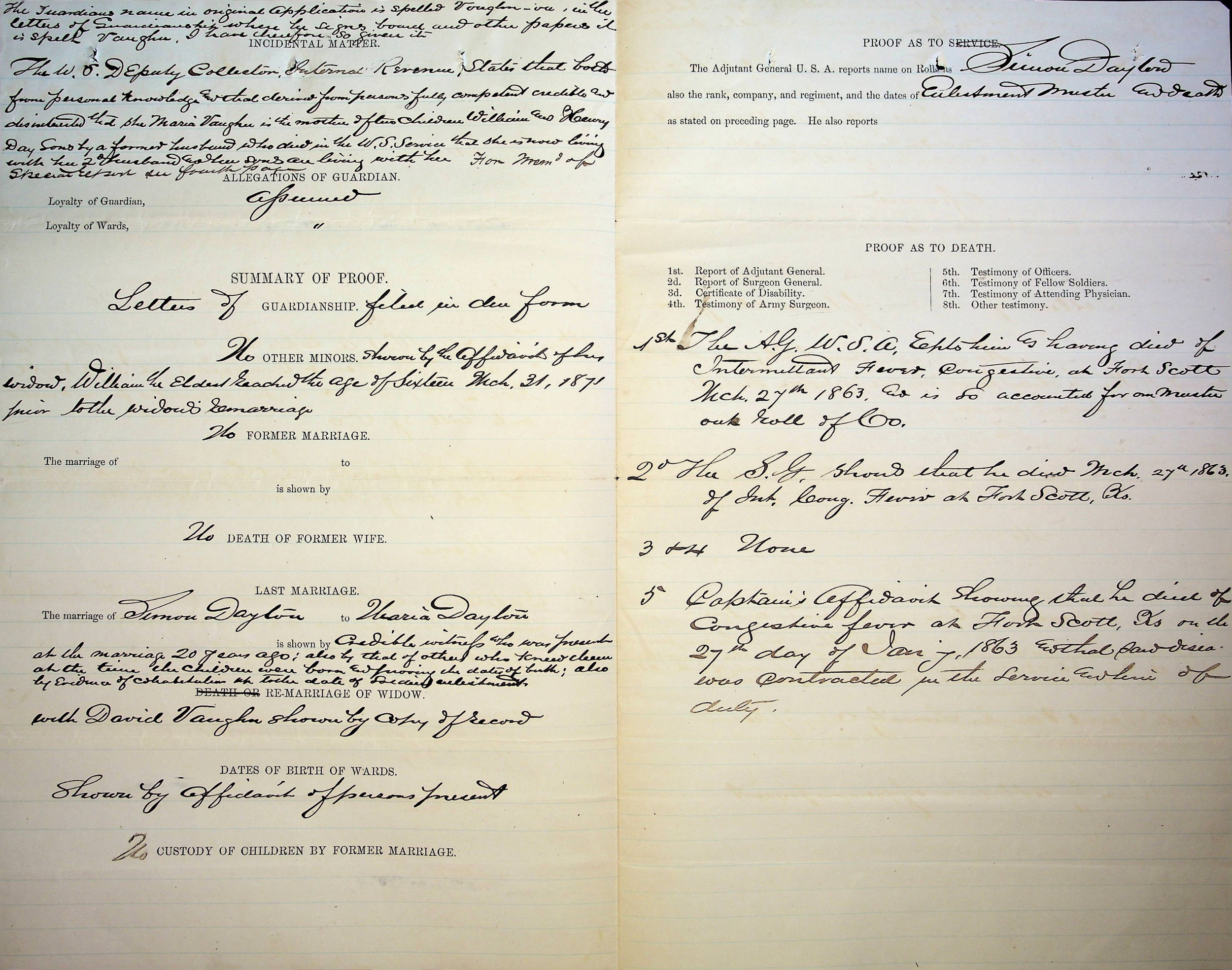
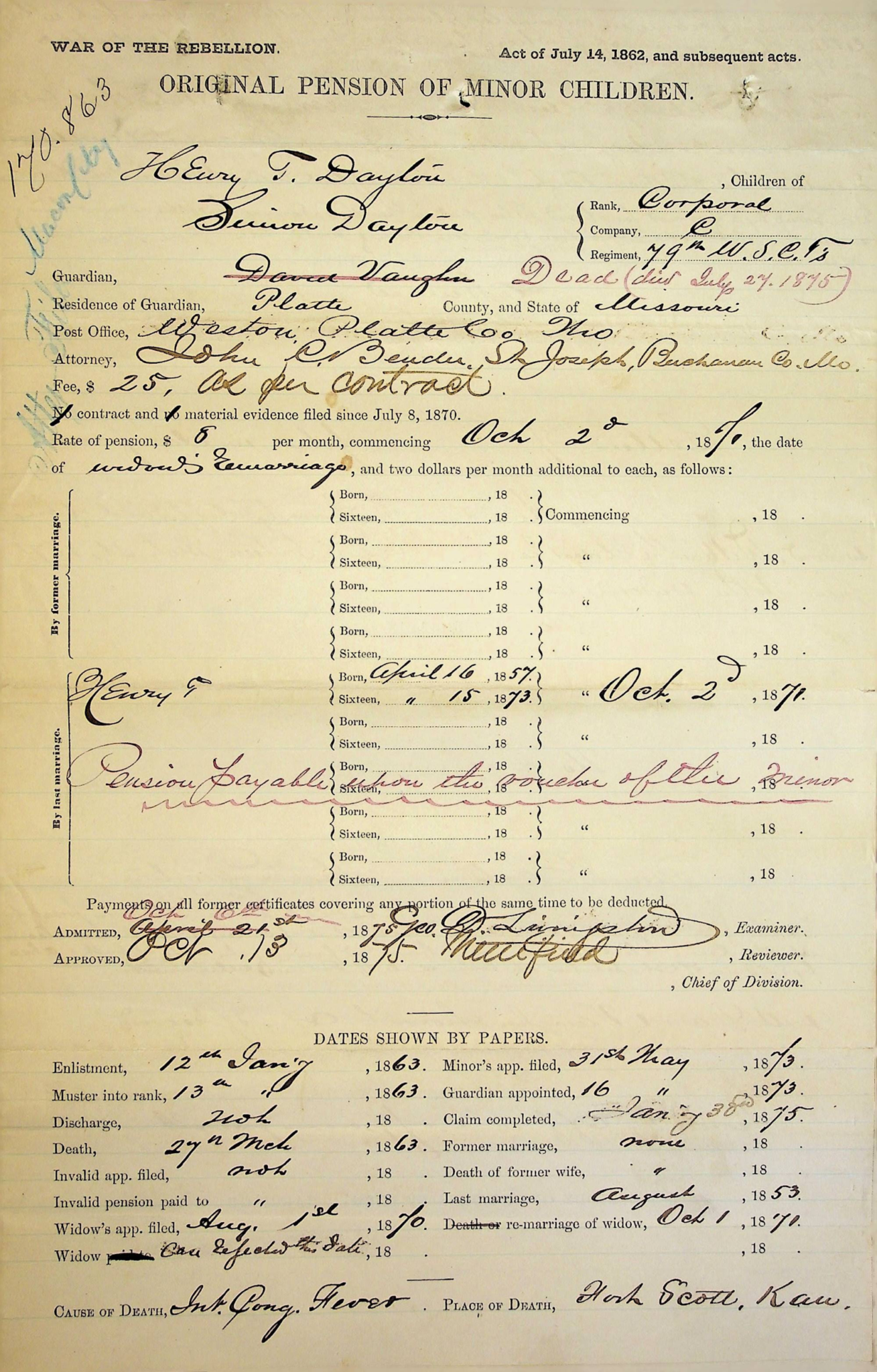
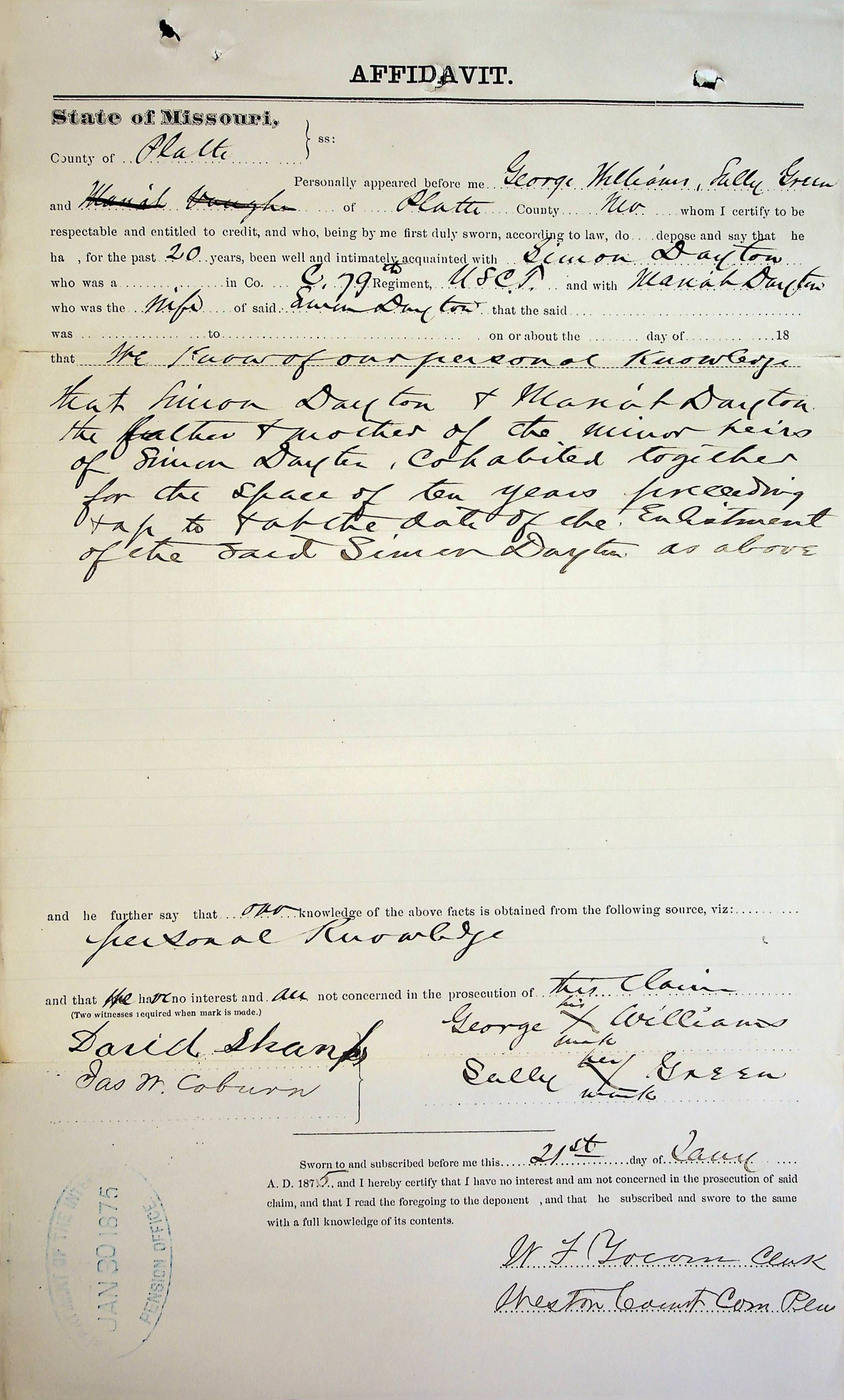
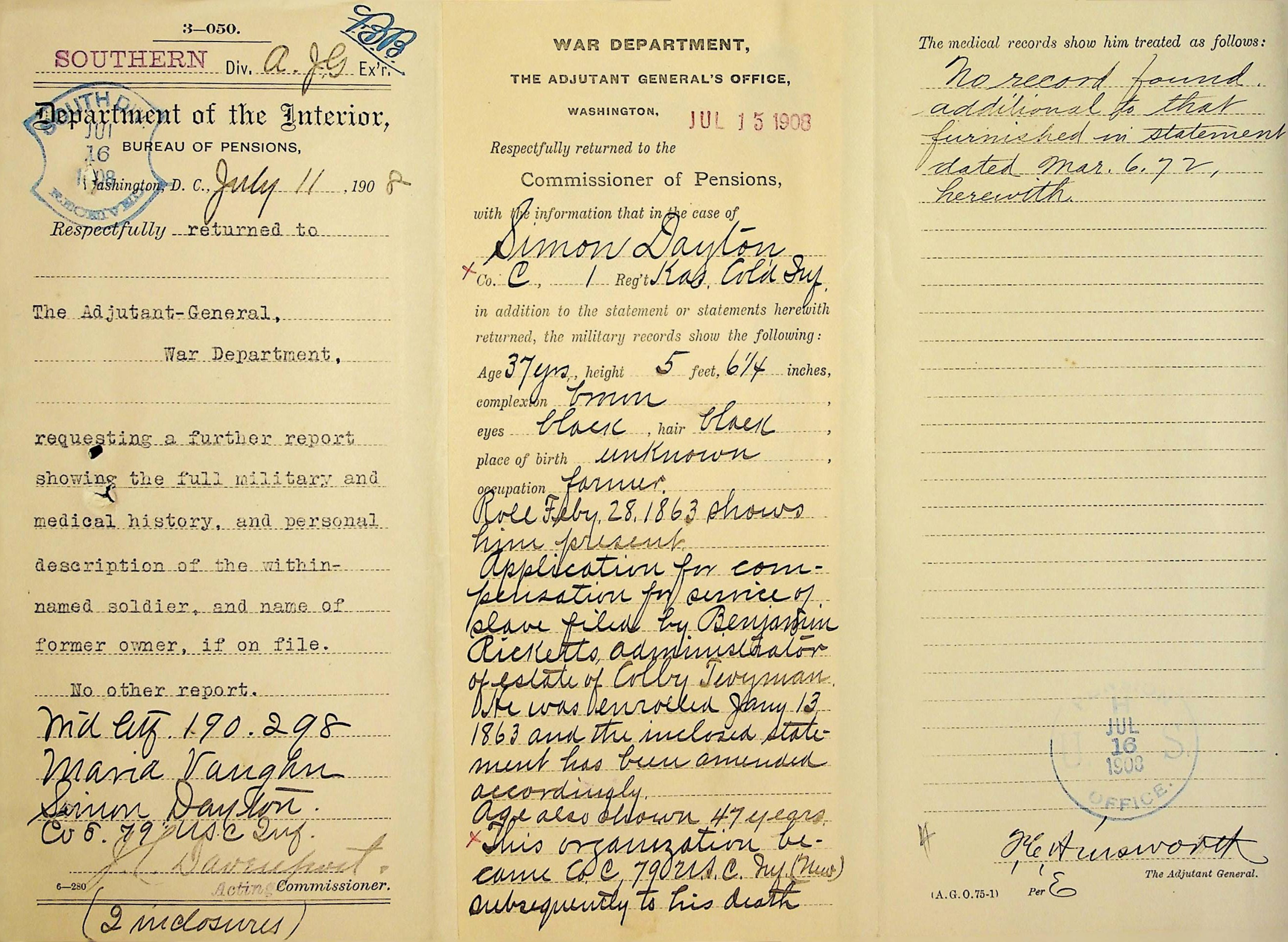
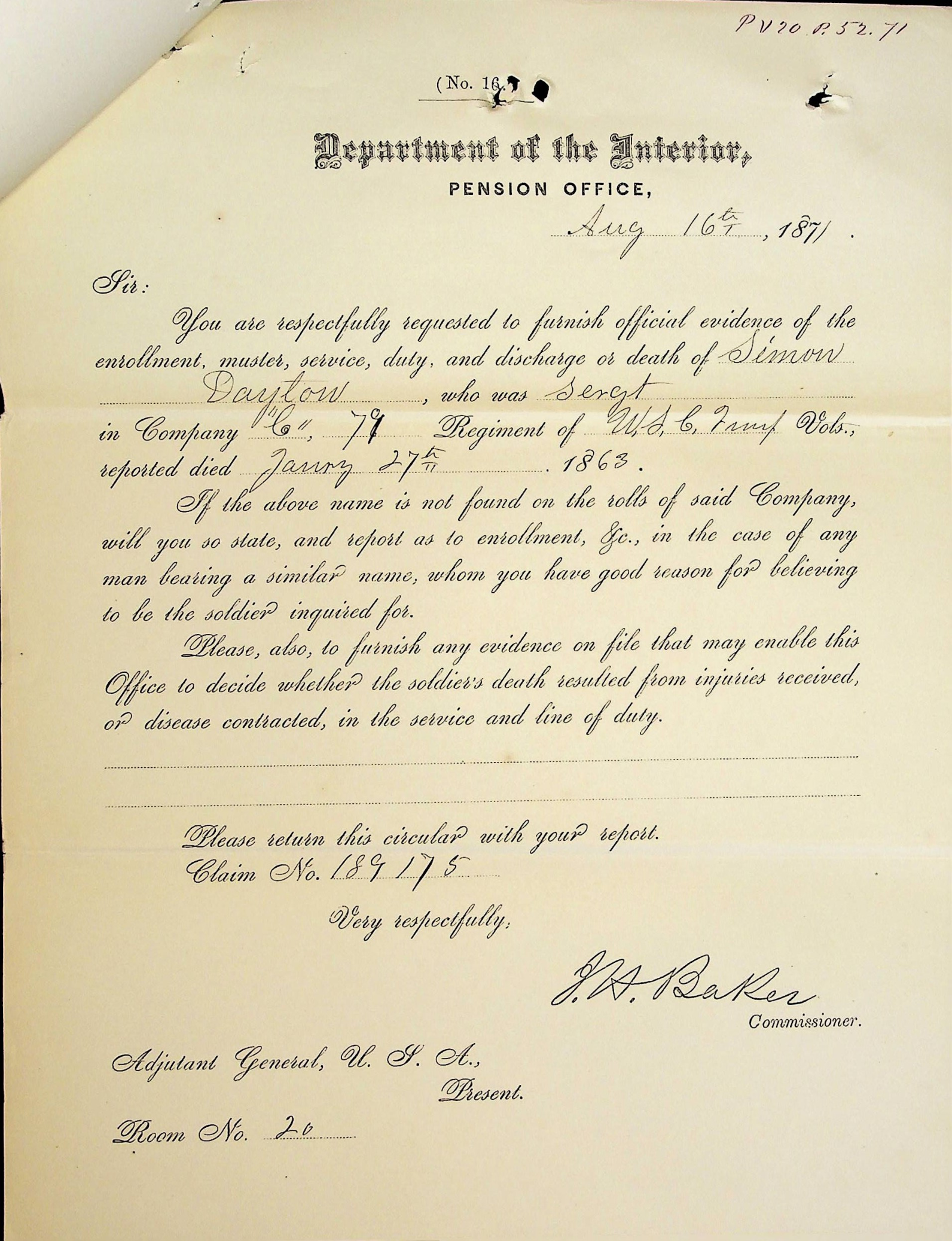
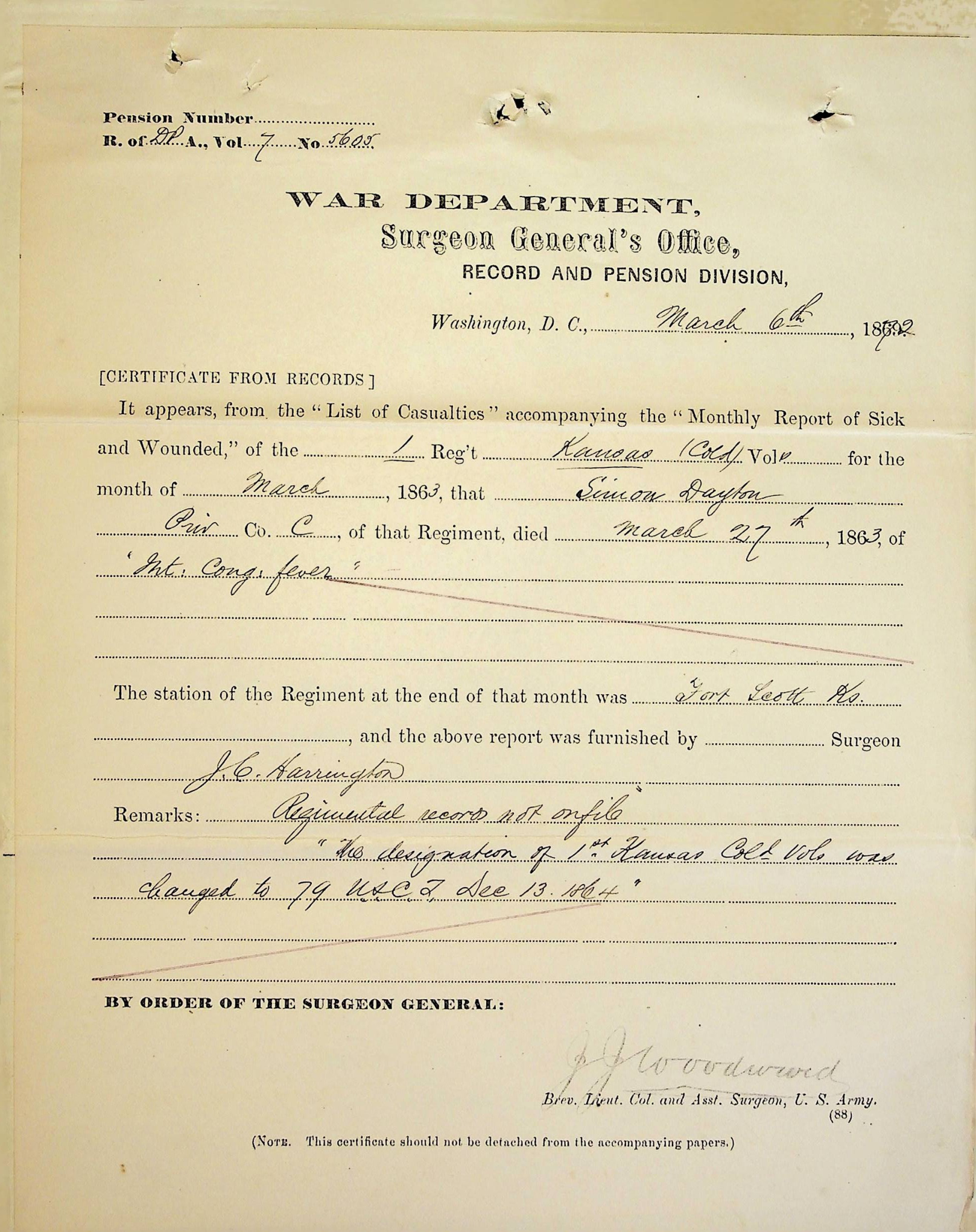
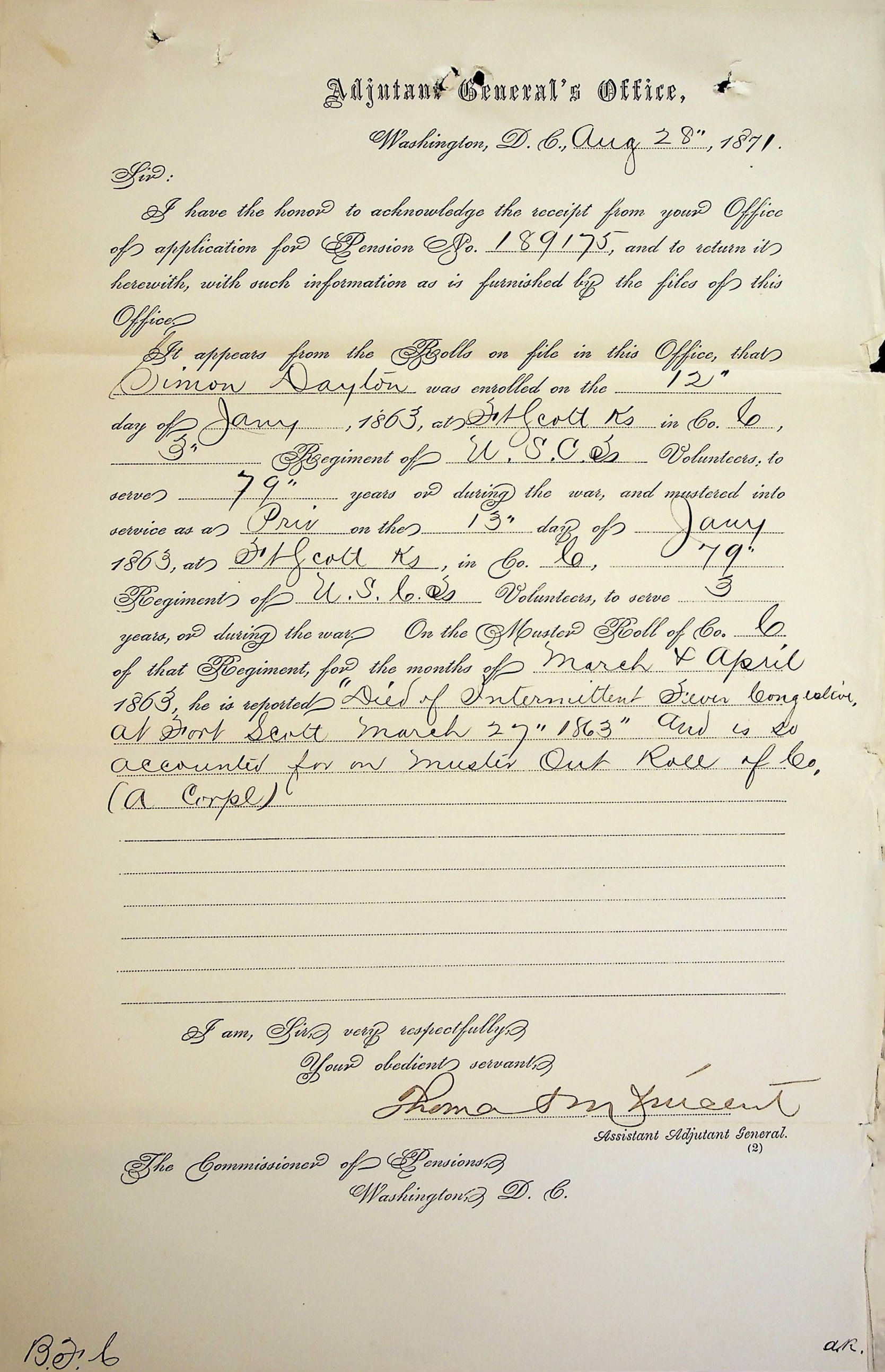
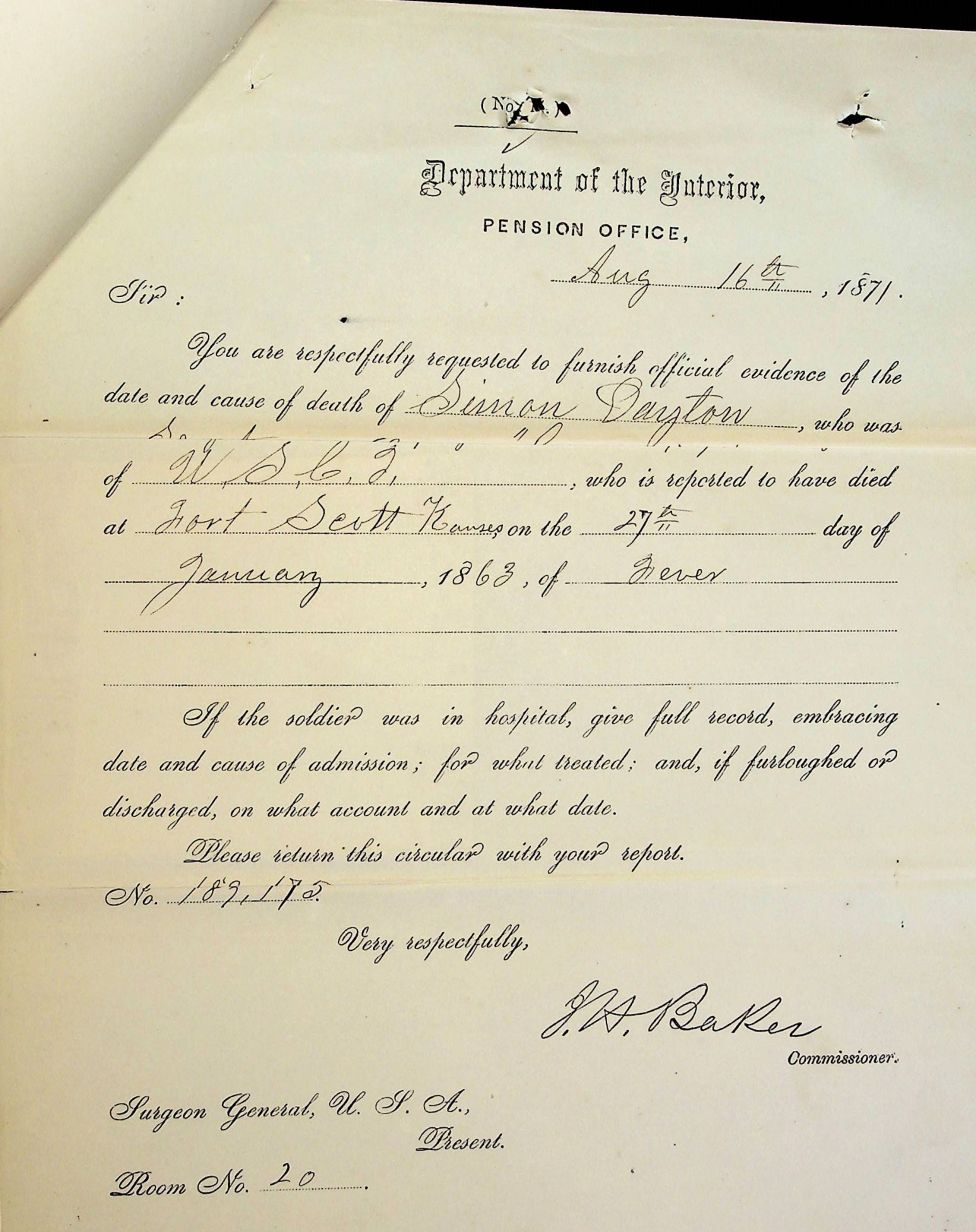
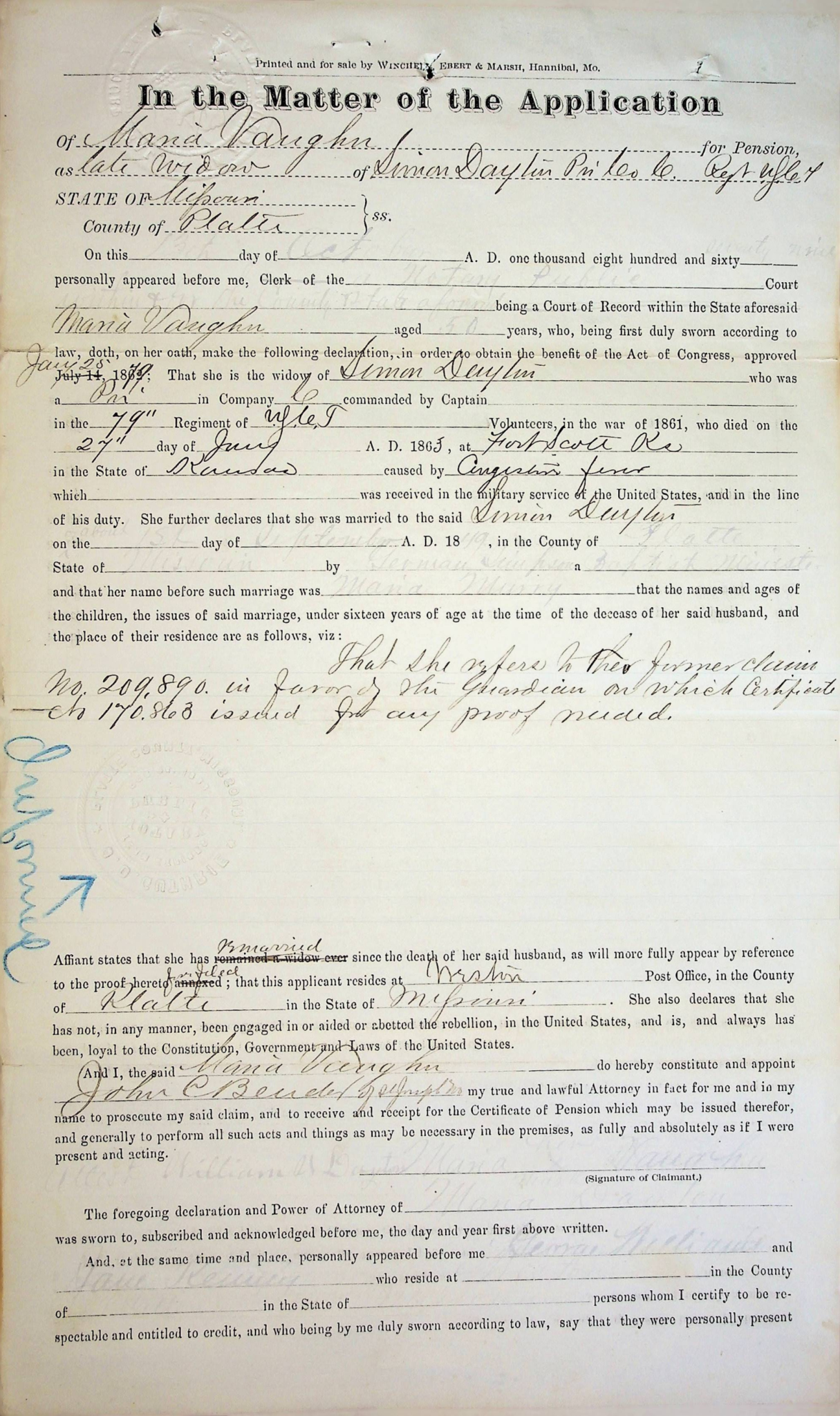
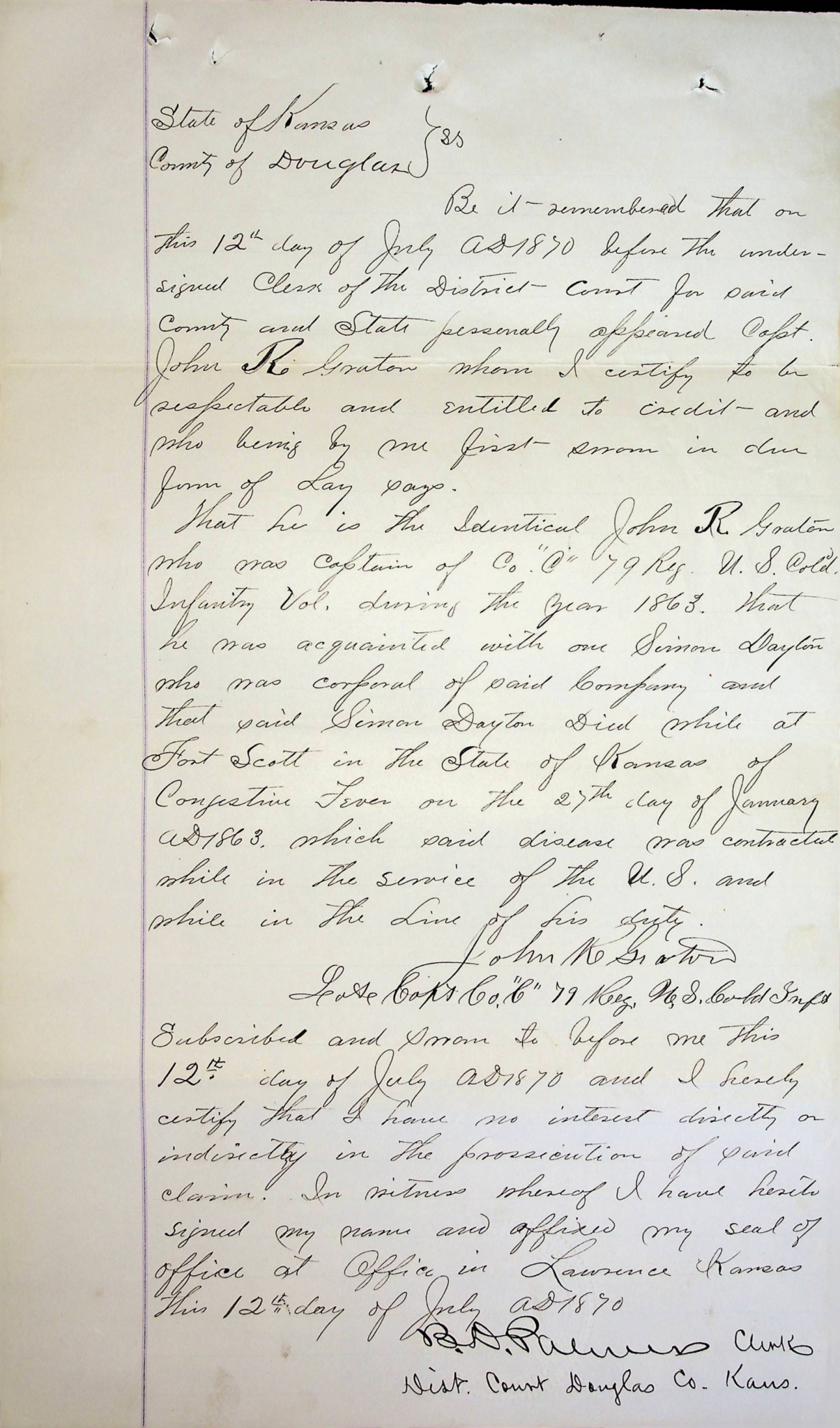
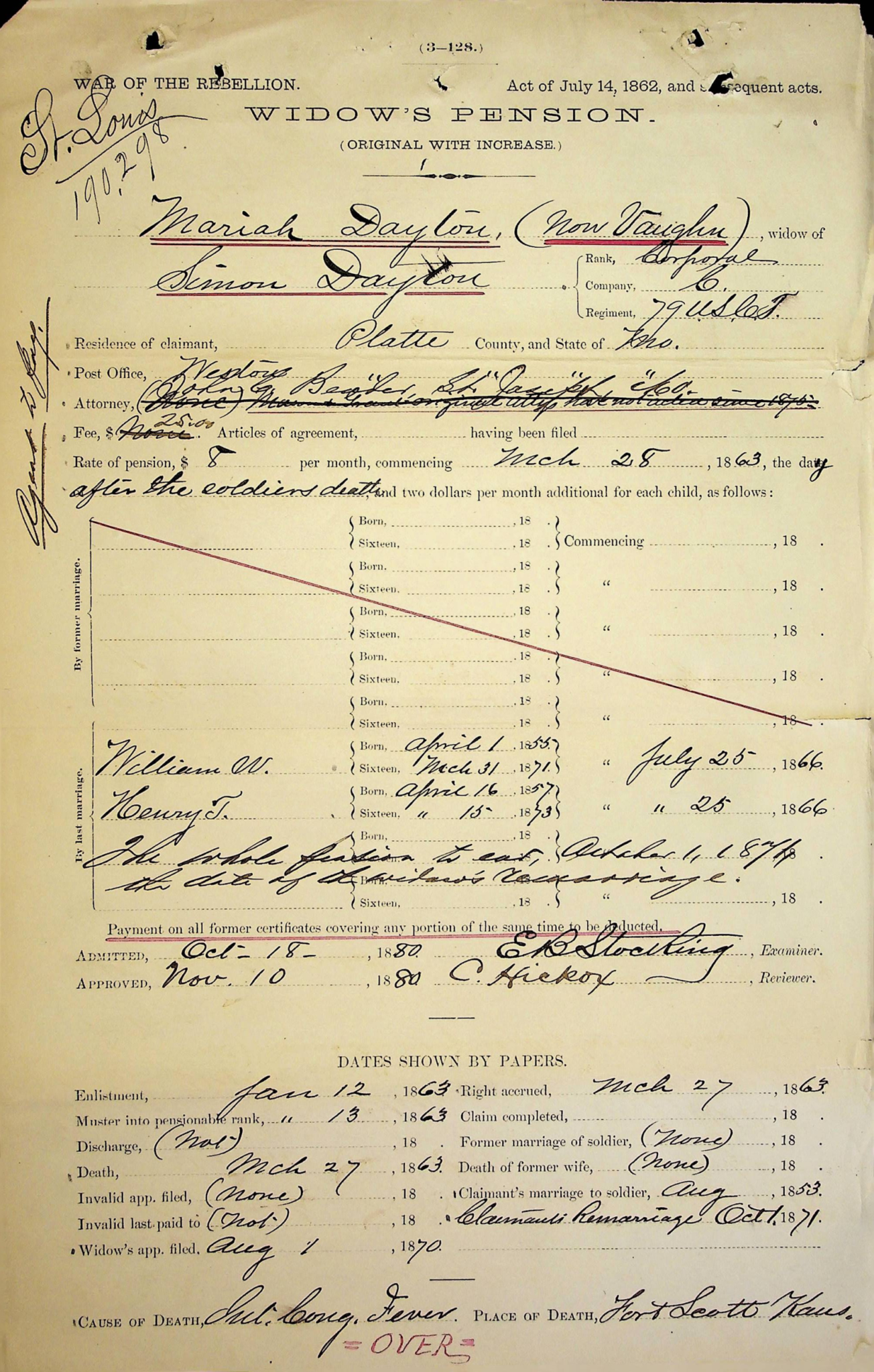
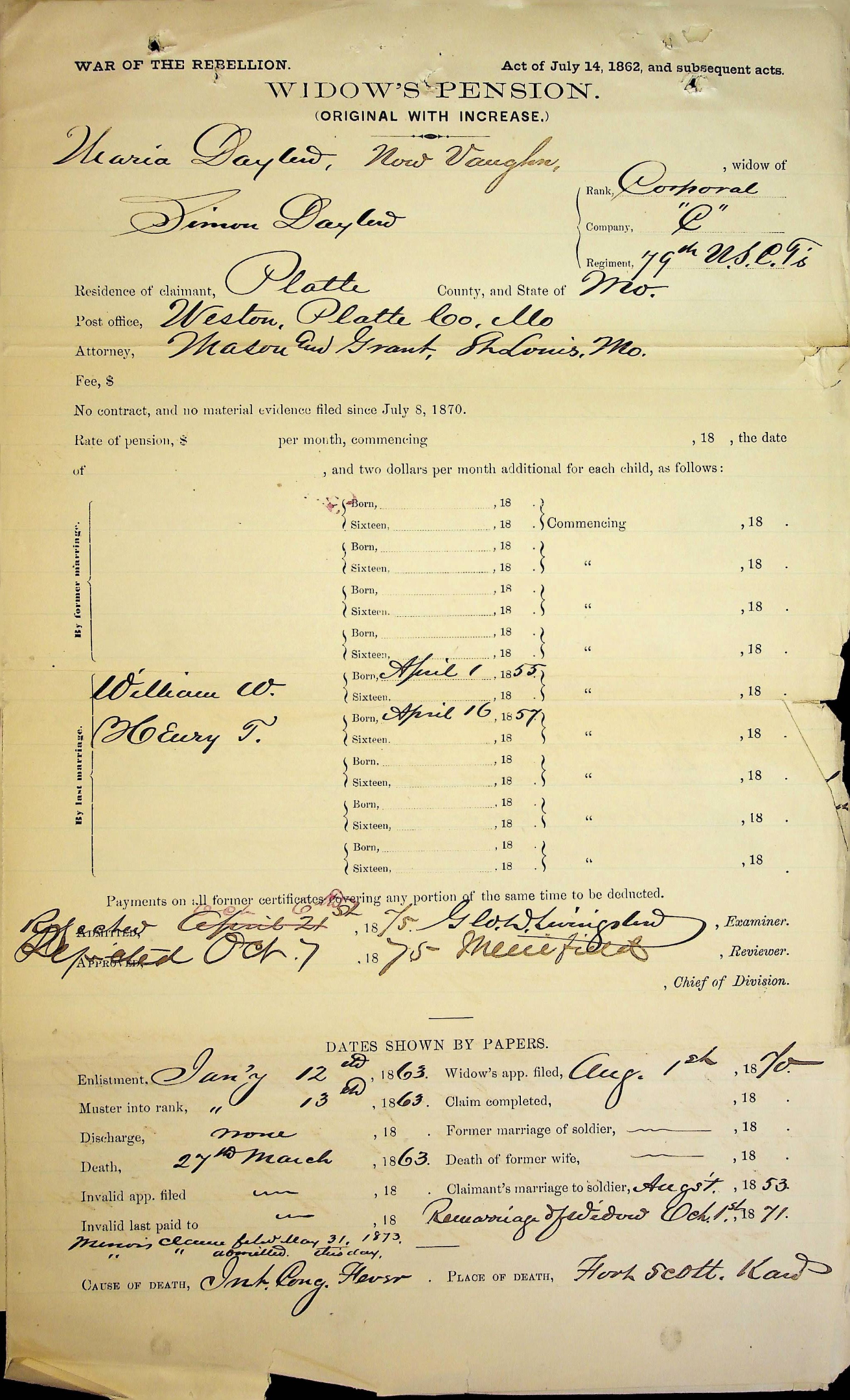
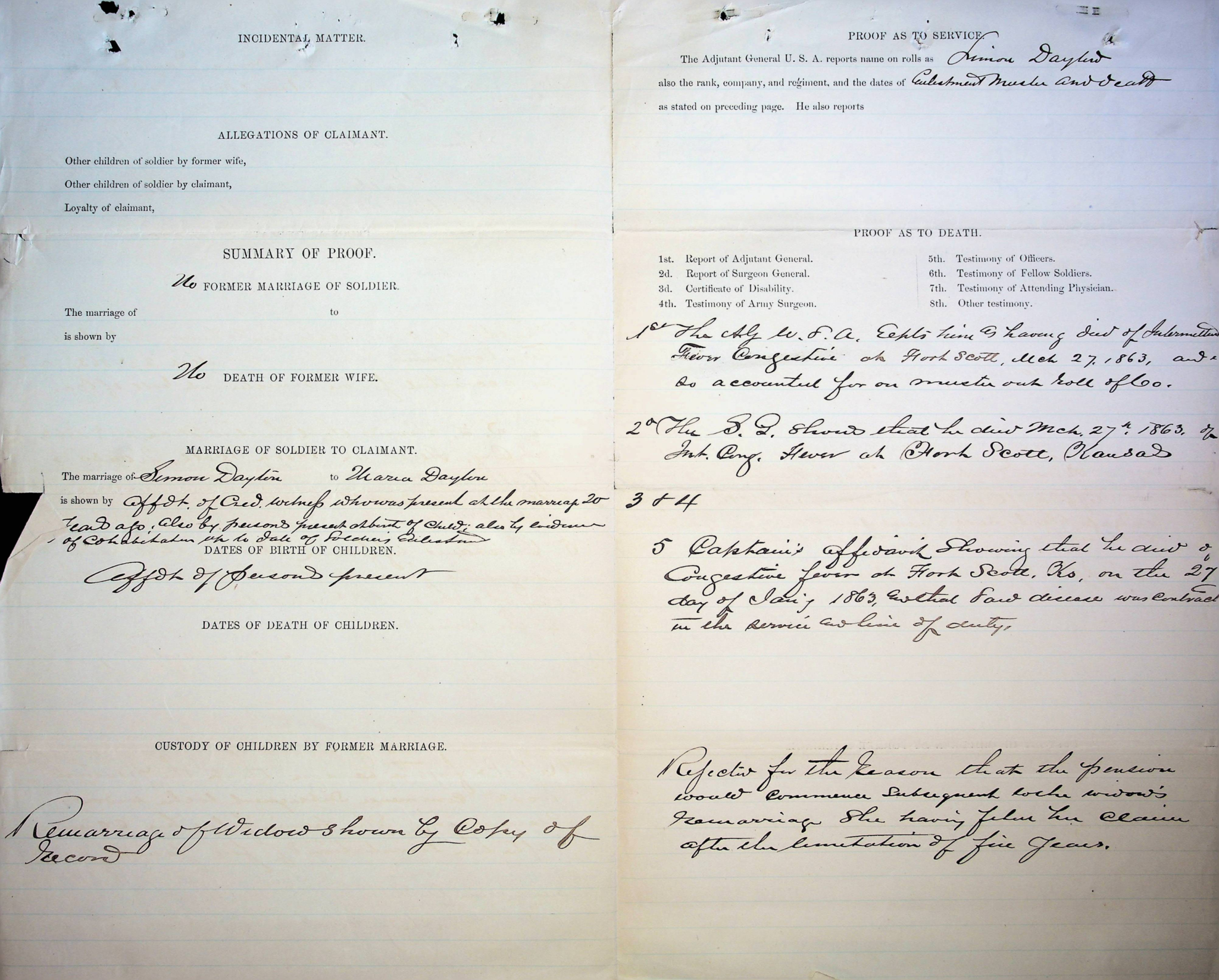
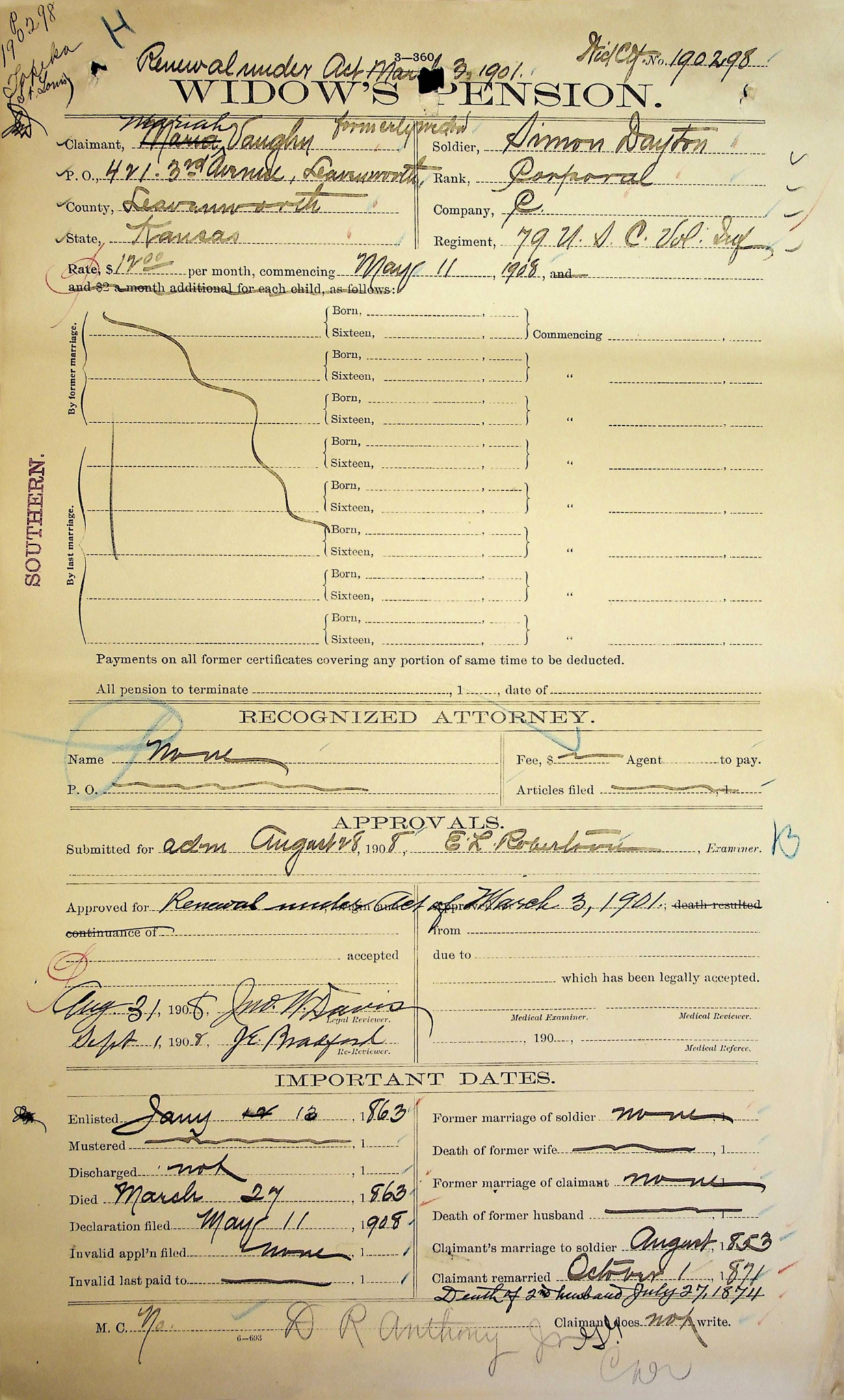
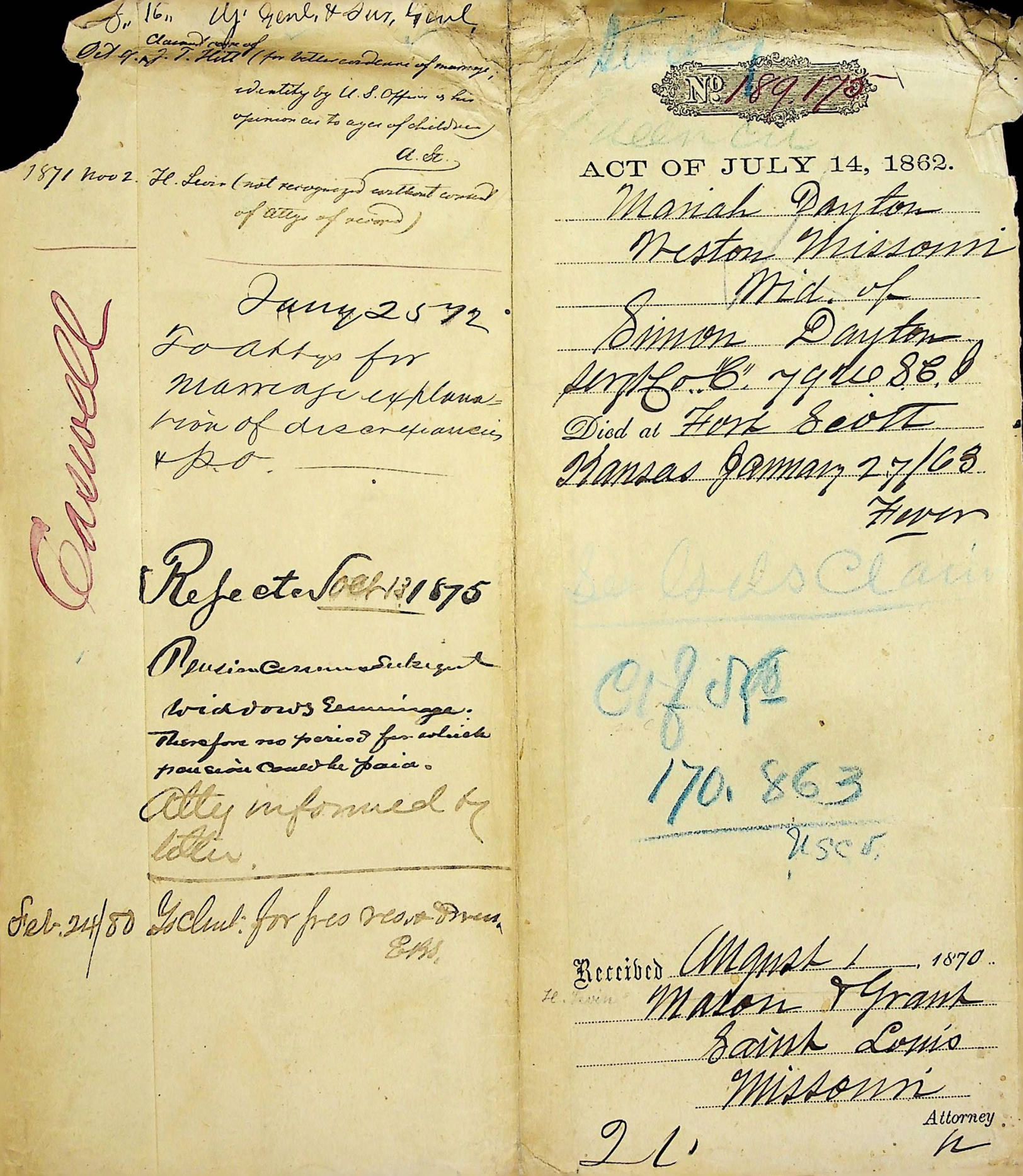
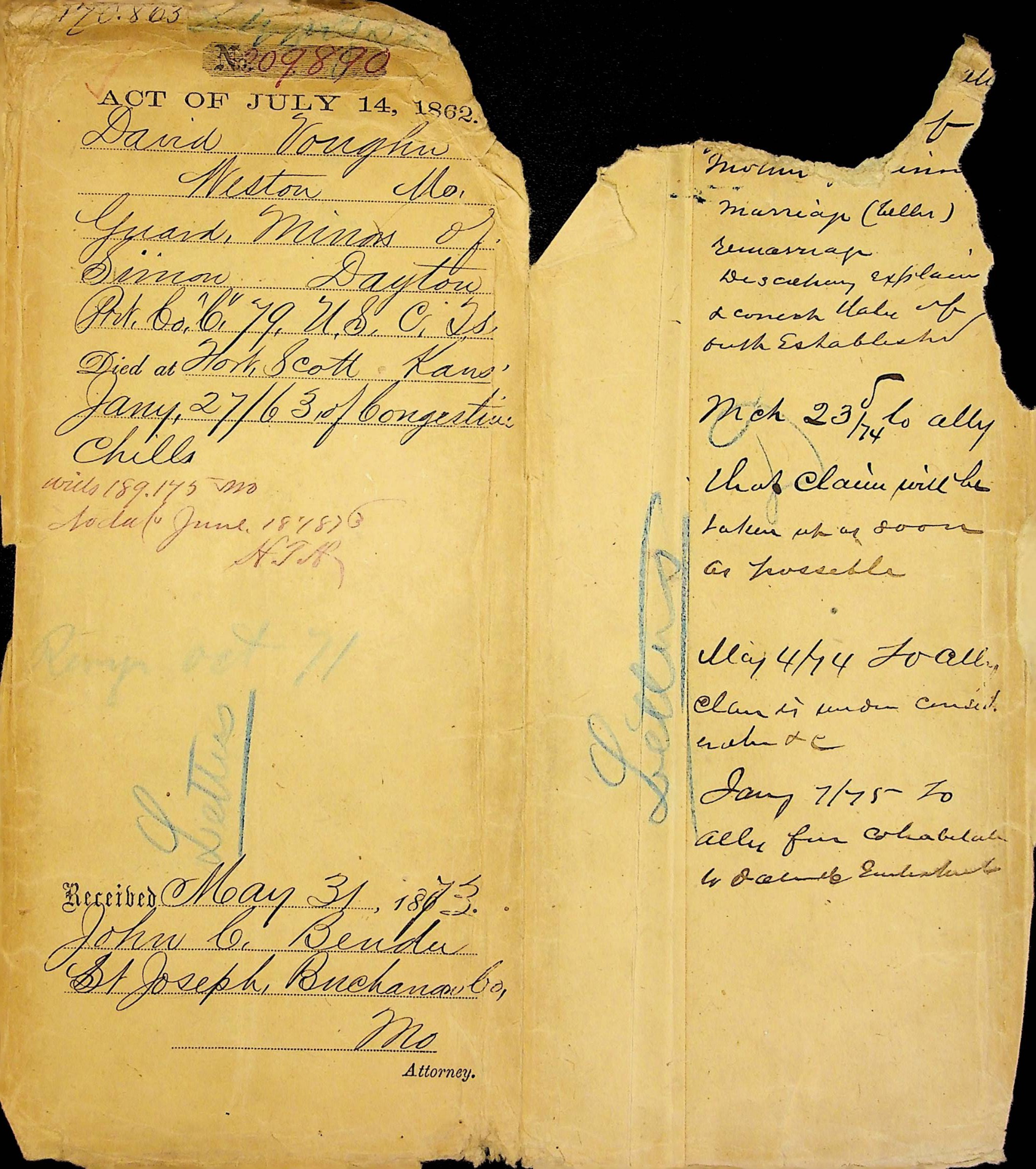
The First Kansas United States Colored Troops (USCT) was the first Black regiment to see combat during the Civil War as Union Soldiers. The Second Confiscation Act of July 1862 prohibited anyone in the military from capturing escaped Union or Confederate state slaves and returning them to their former enslavers. Soon, the First Kansas Colored Troop reorganized into a ‘New’ Regiment, the 79th Kansas USCT Company C. Private Simon Dayton, and the 79th mustered out at Fort Scott, Kansas, on 13 January 1863. Rampant disease festered within the horrible, mud-ridden conditions in the camp, infecting nearly the entire troop, including some officers. Private Simon Dayton died a Corporal in the 79th Kansas USCT Company C., from Congestive Fever, also called trench fever, similar to typhoid or malaria, on 27 March 1863. He was only 47 years old.
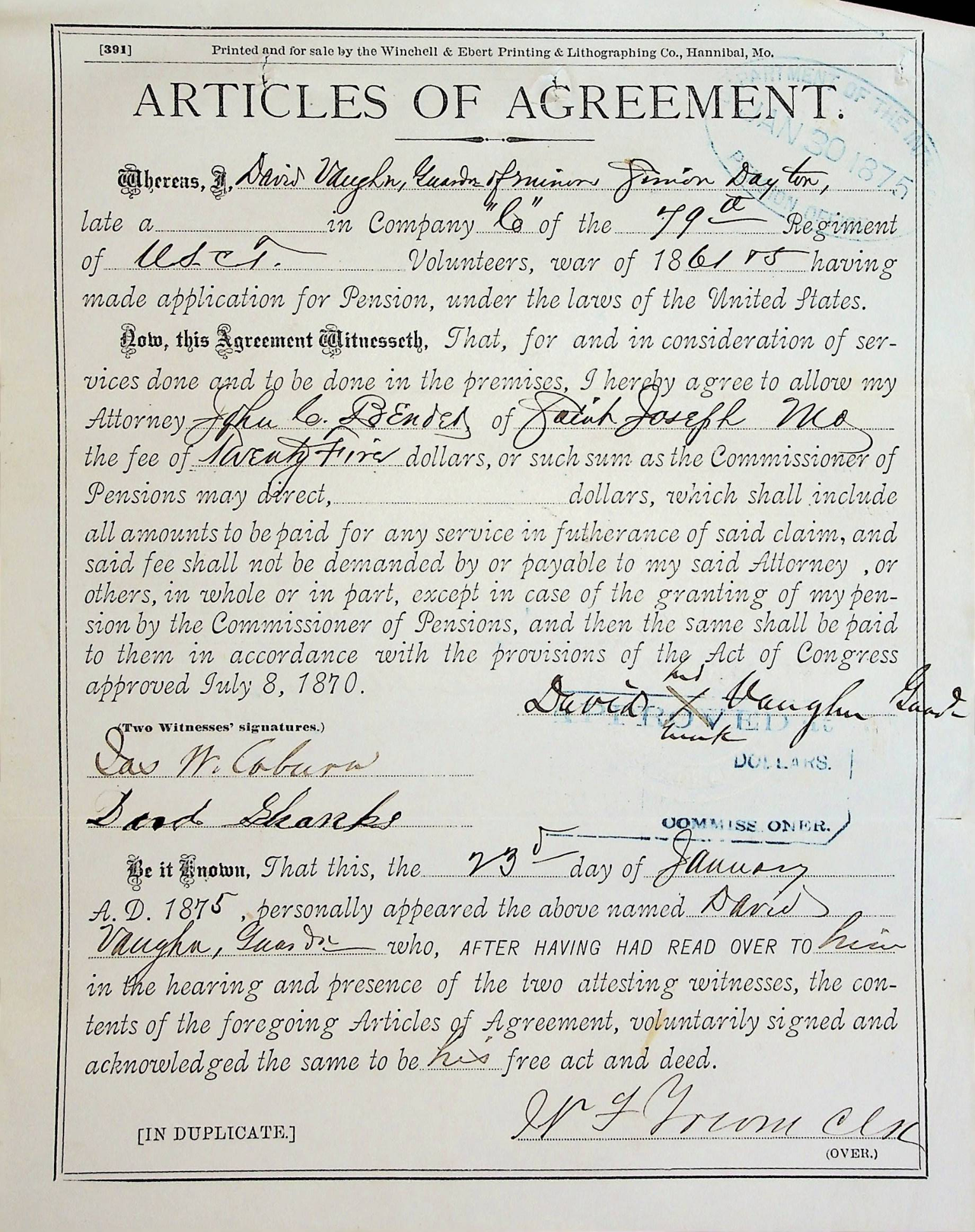
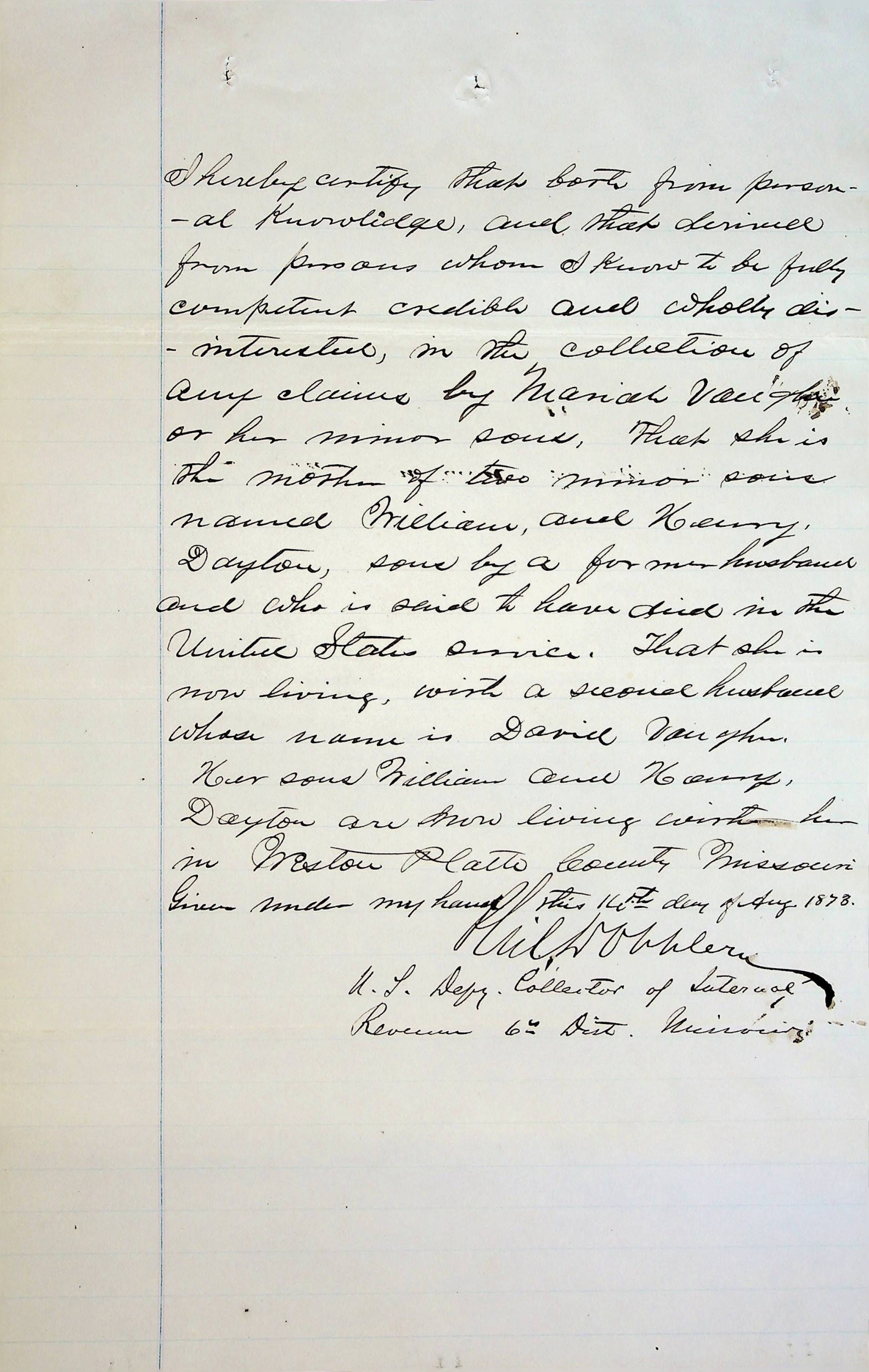
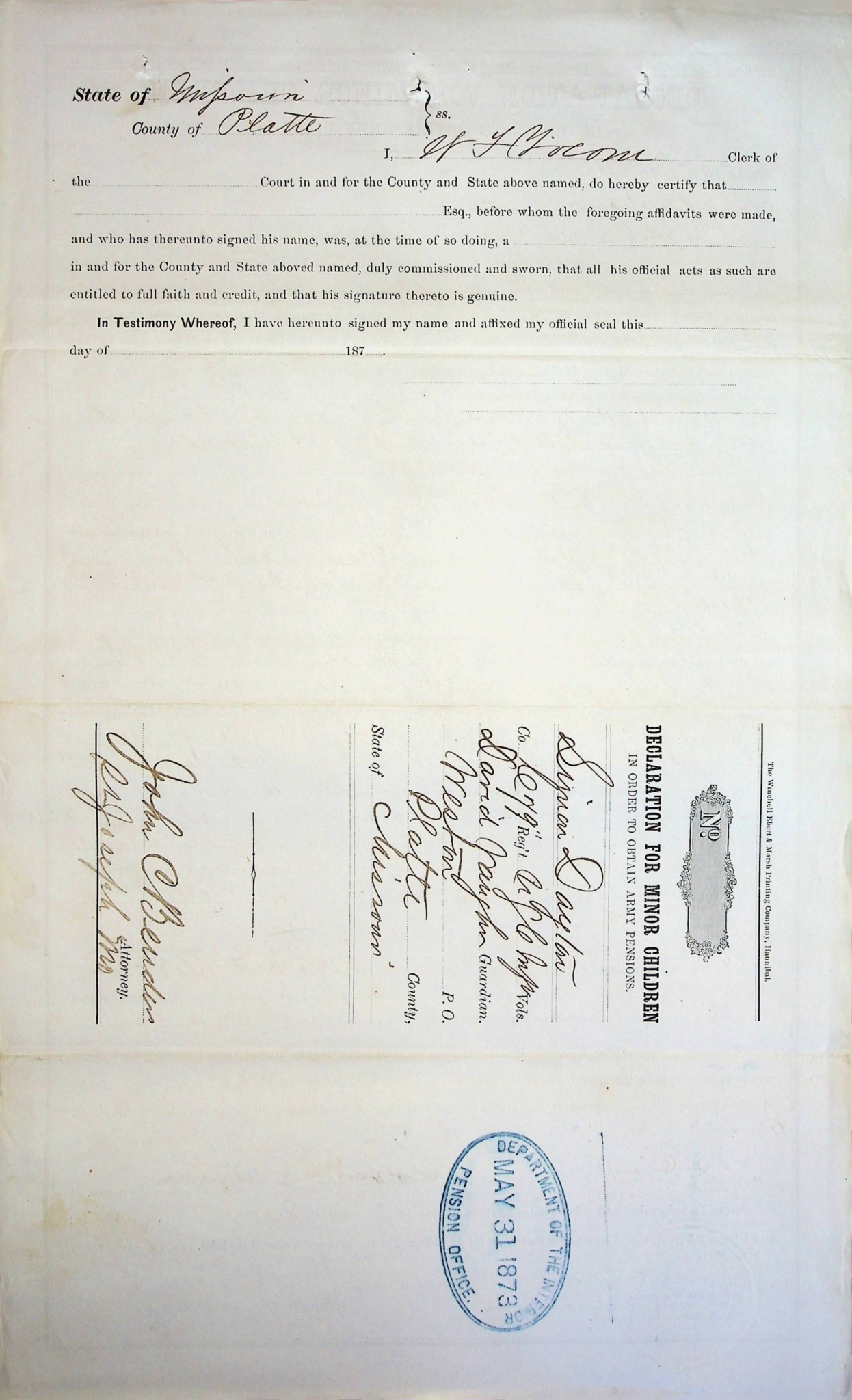
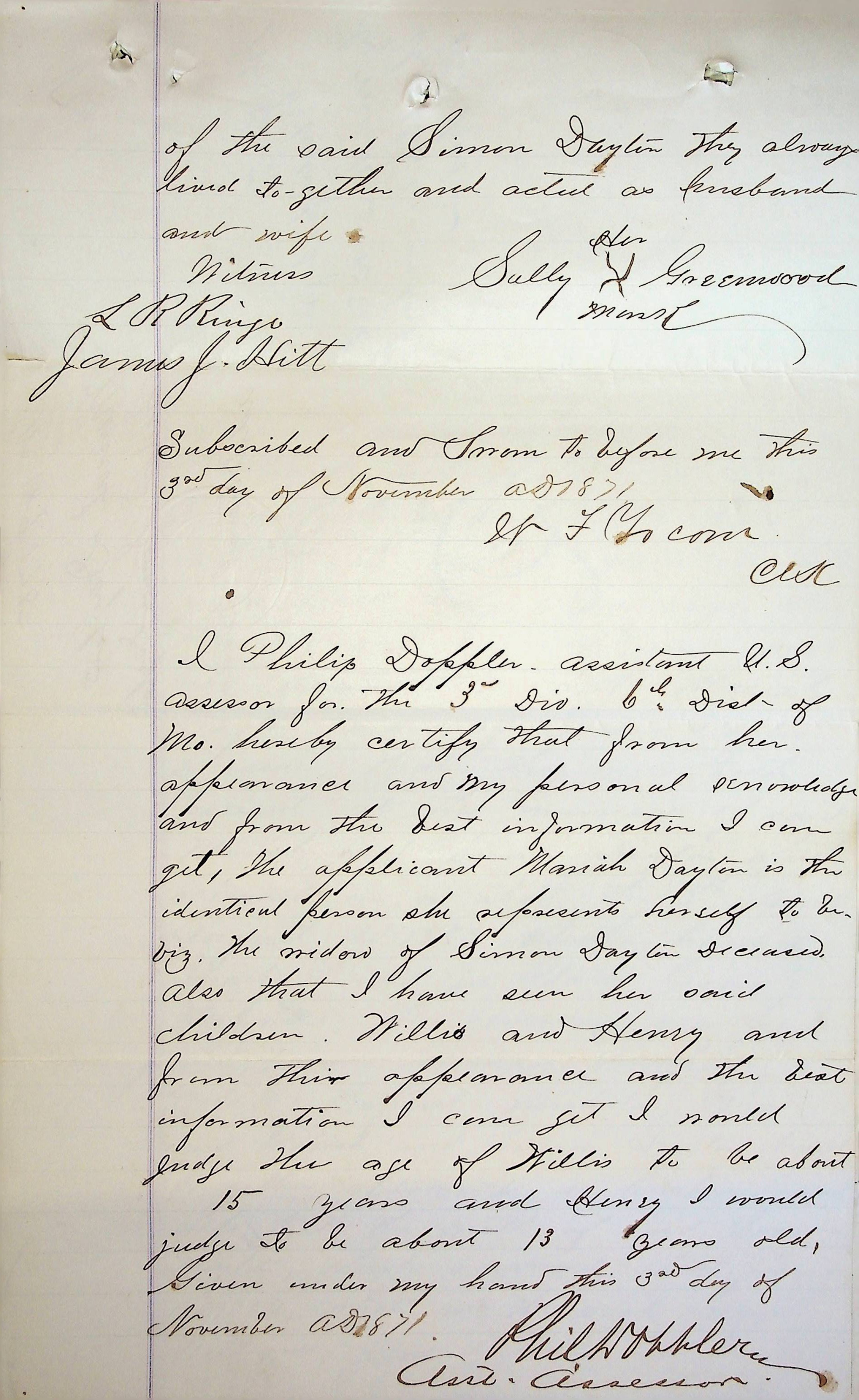
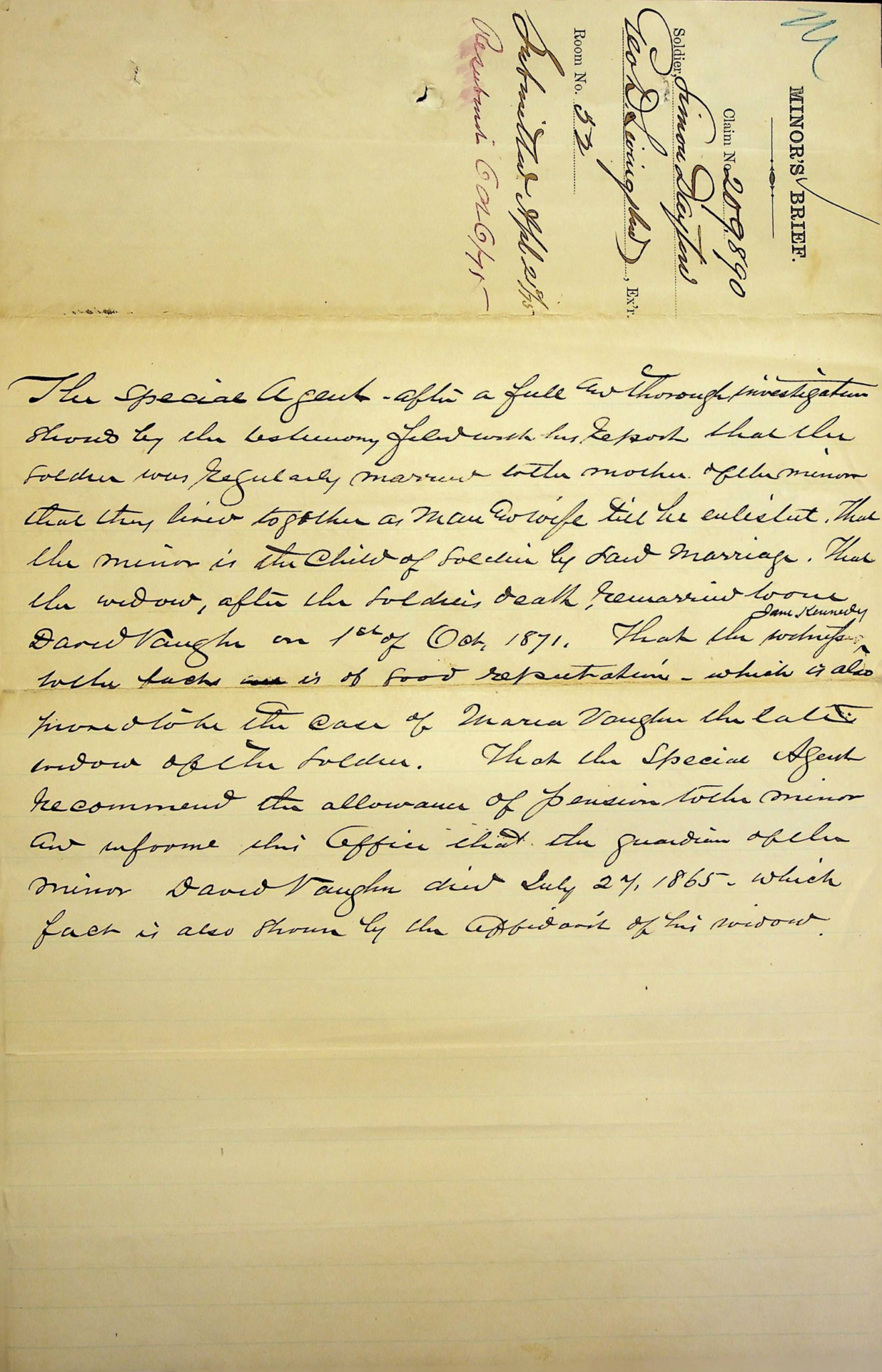
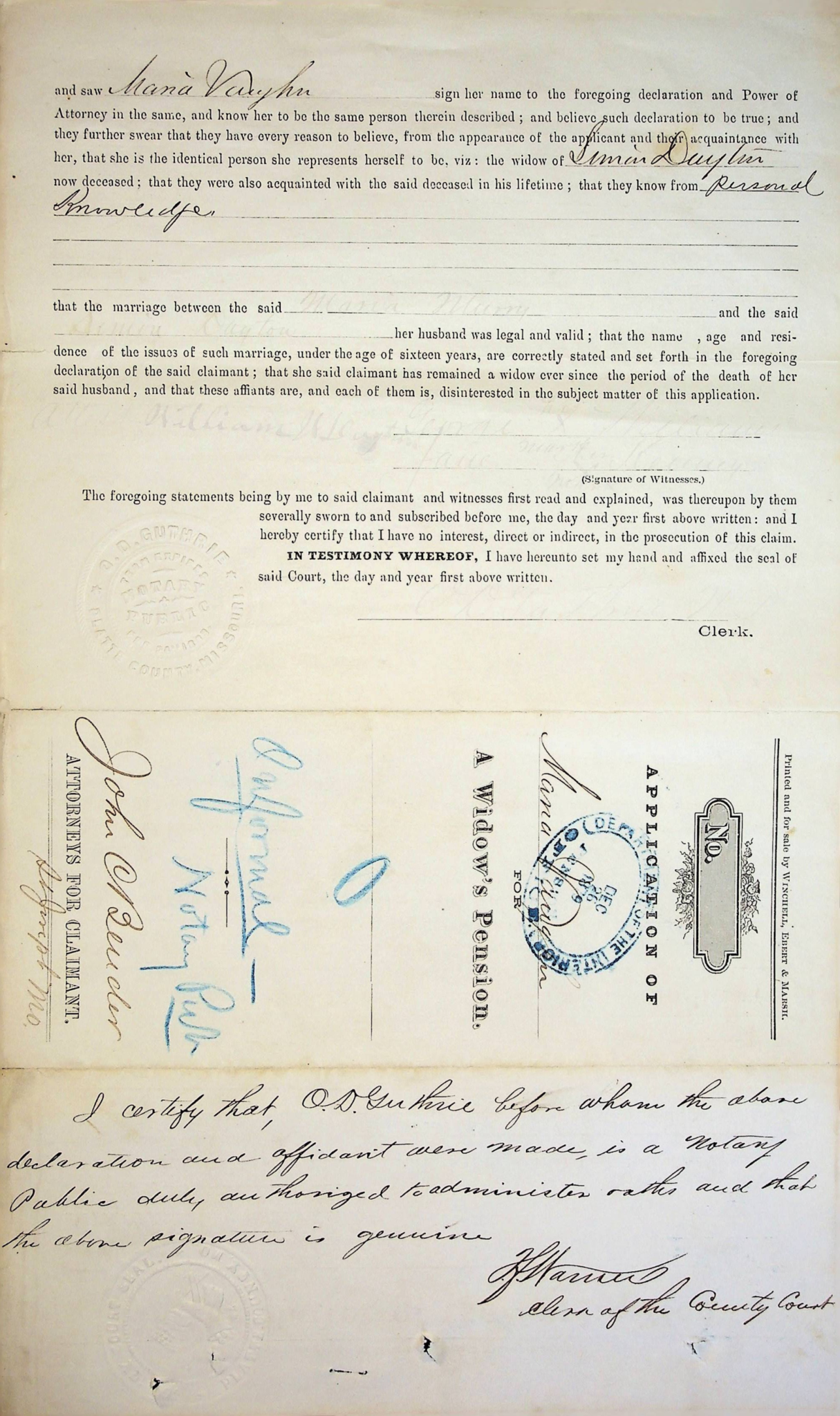
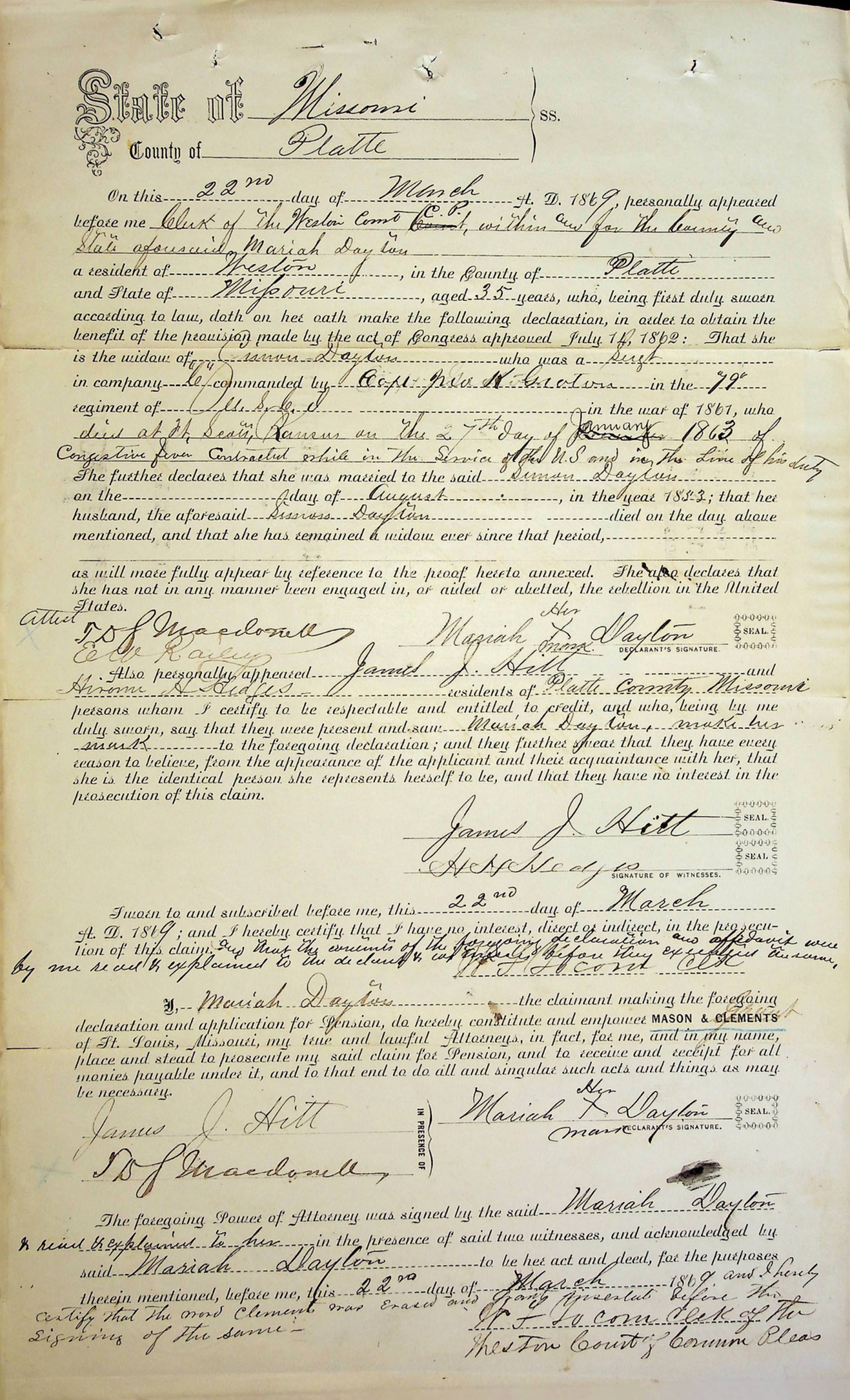
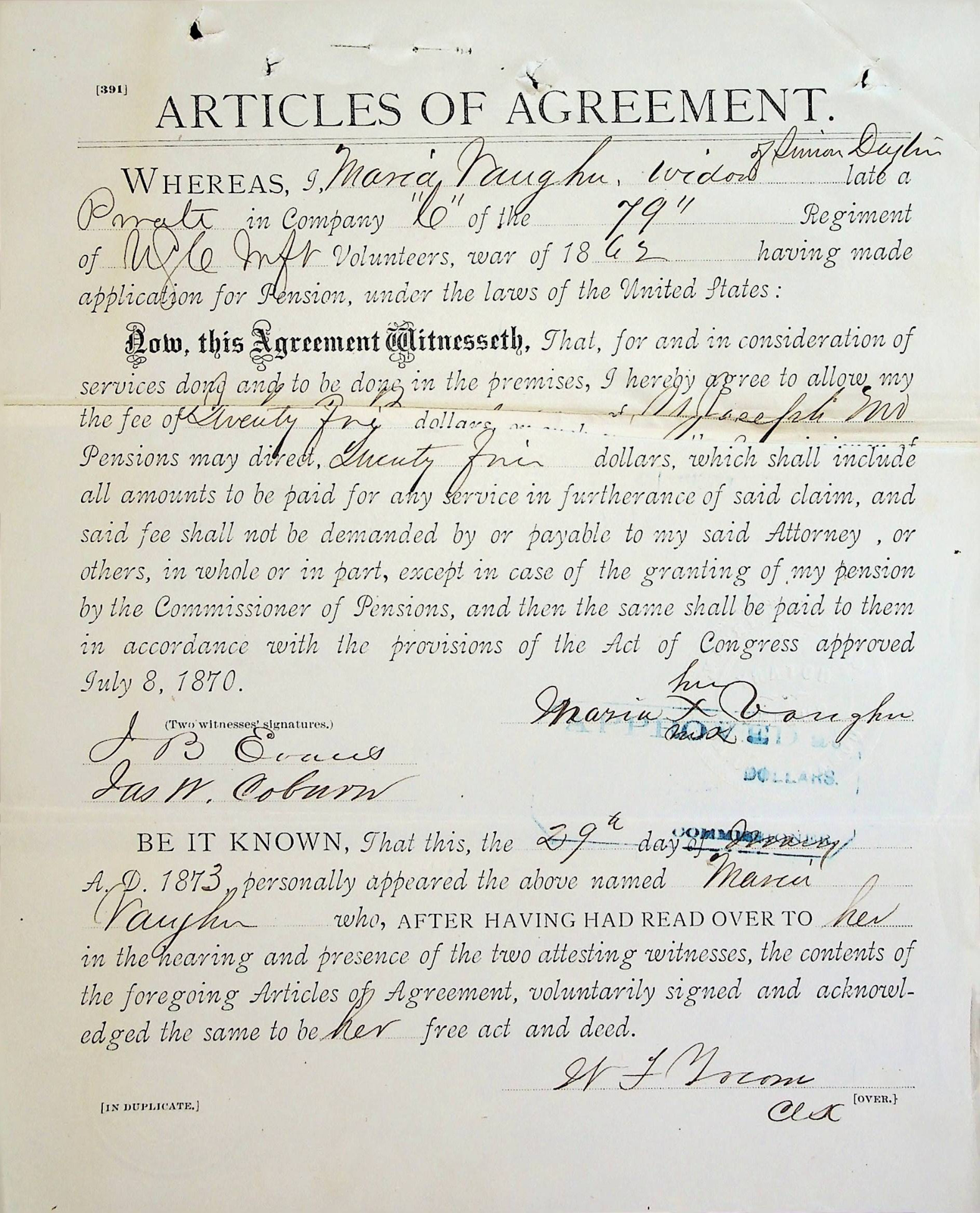
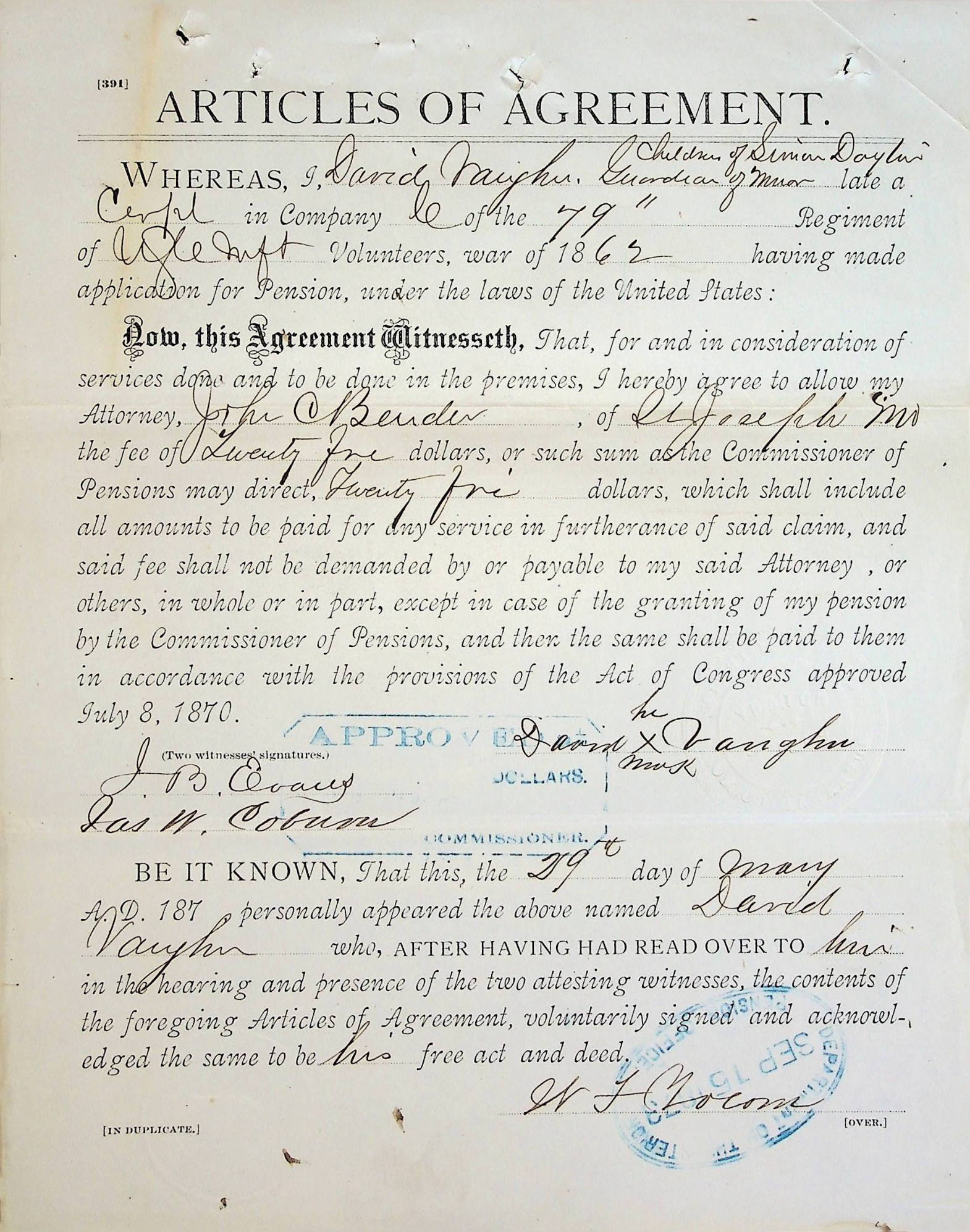
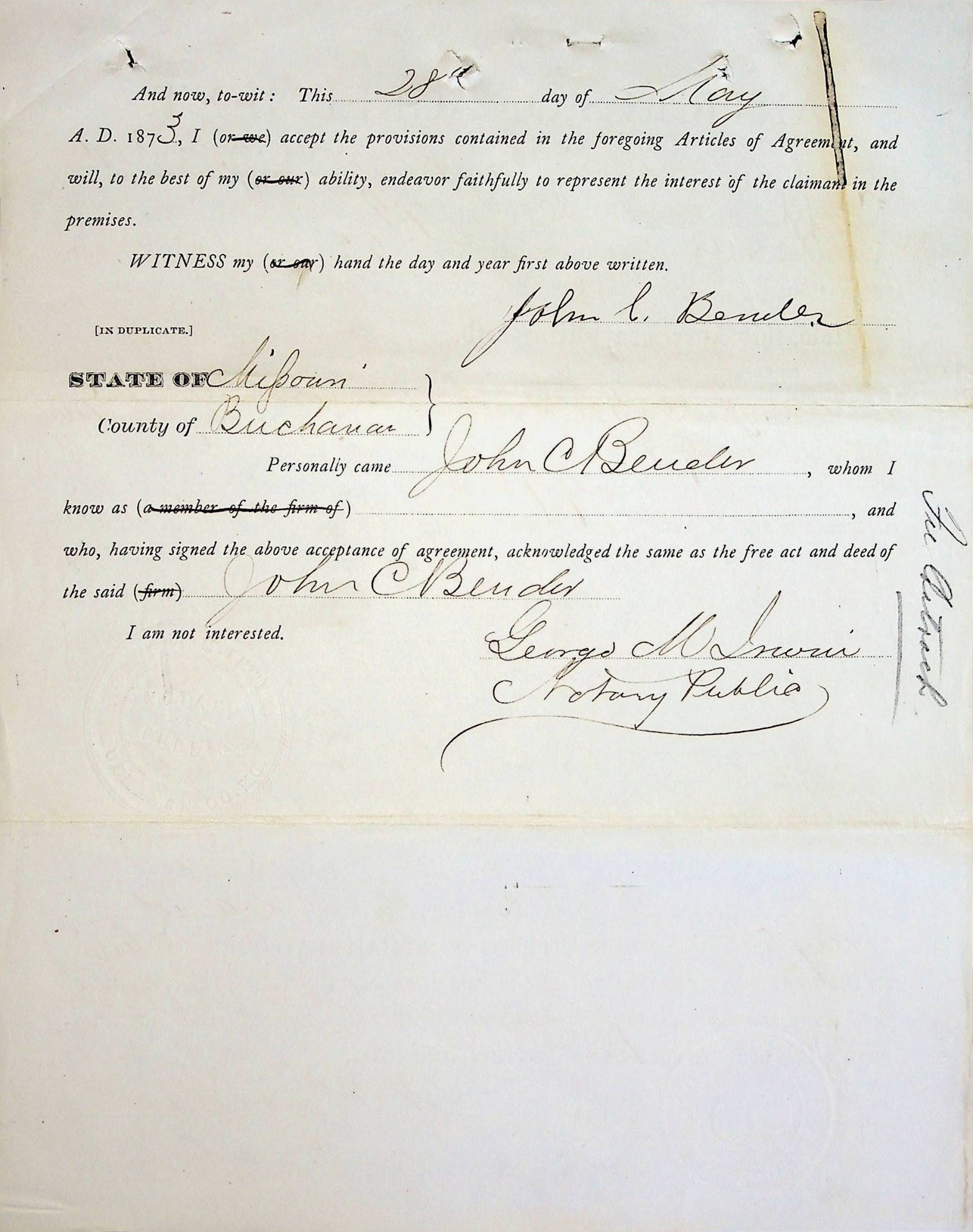
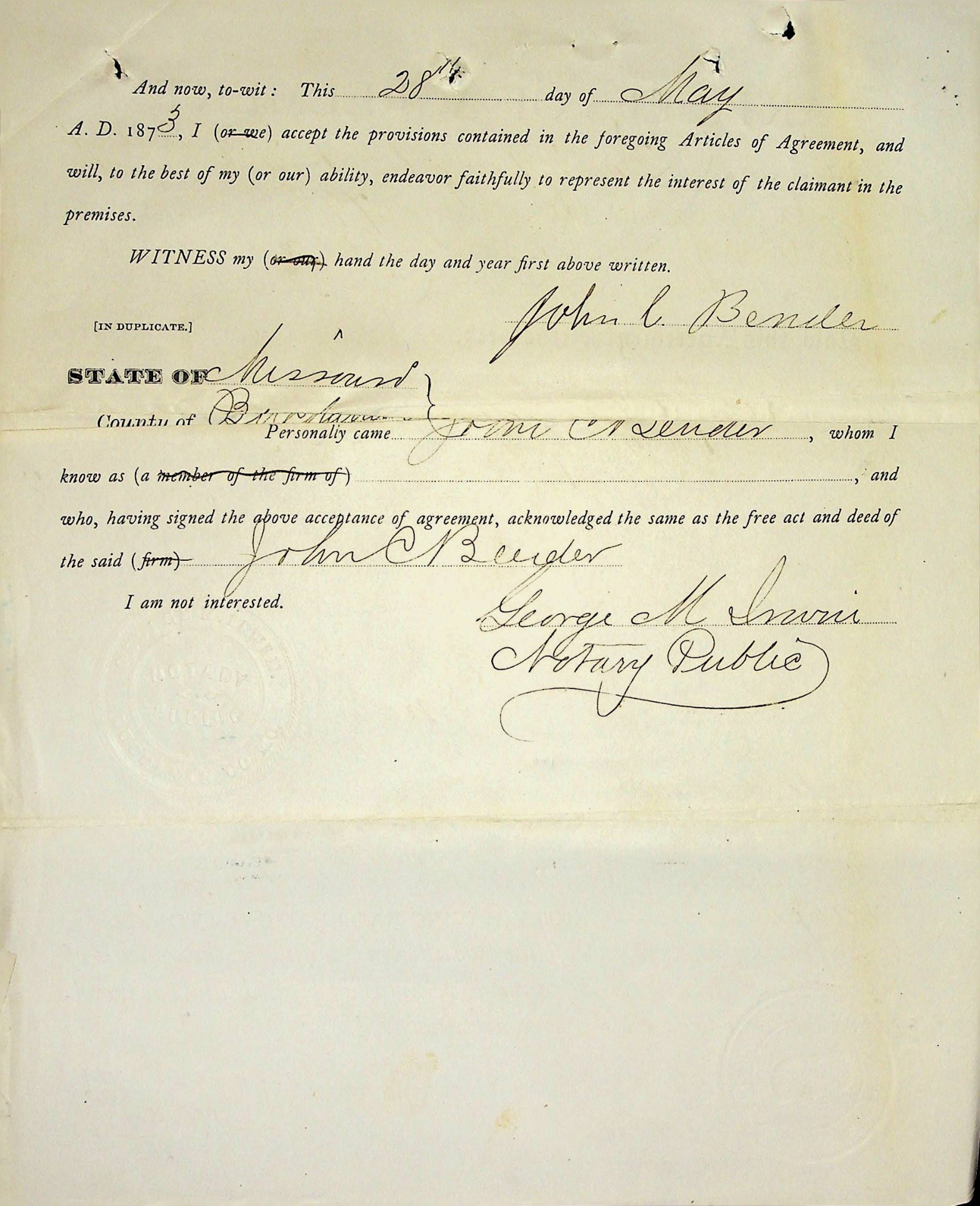
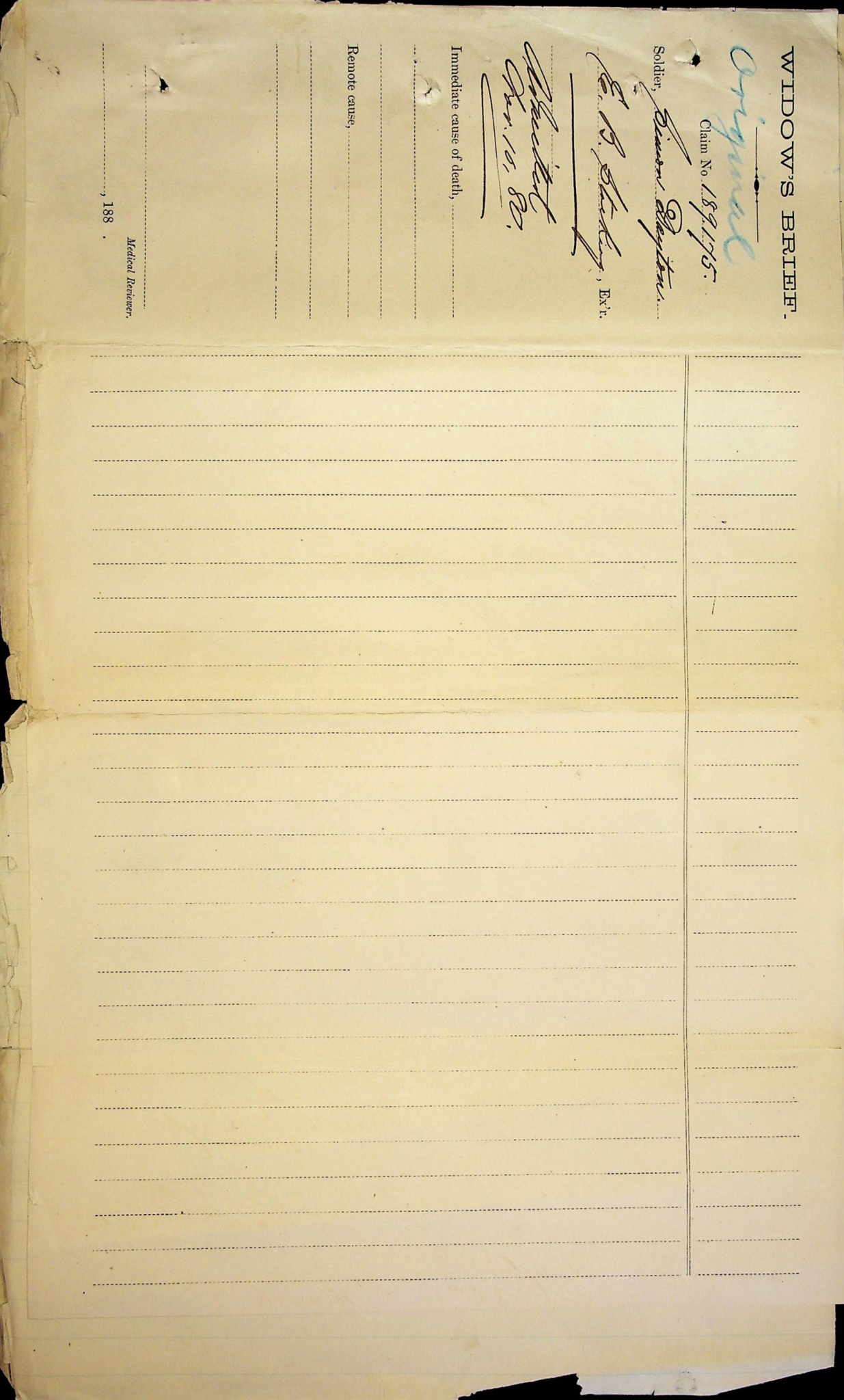
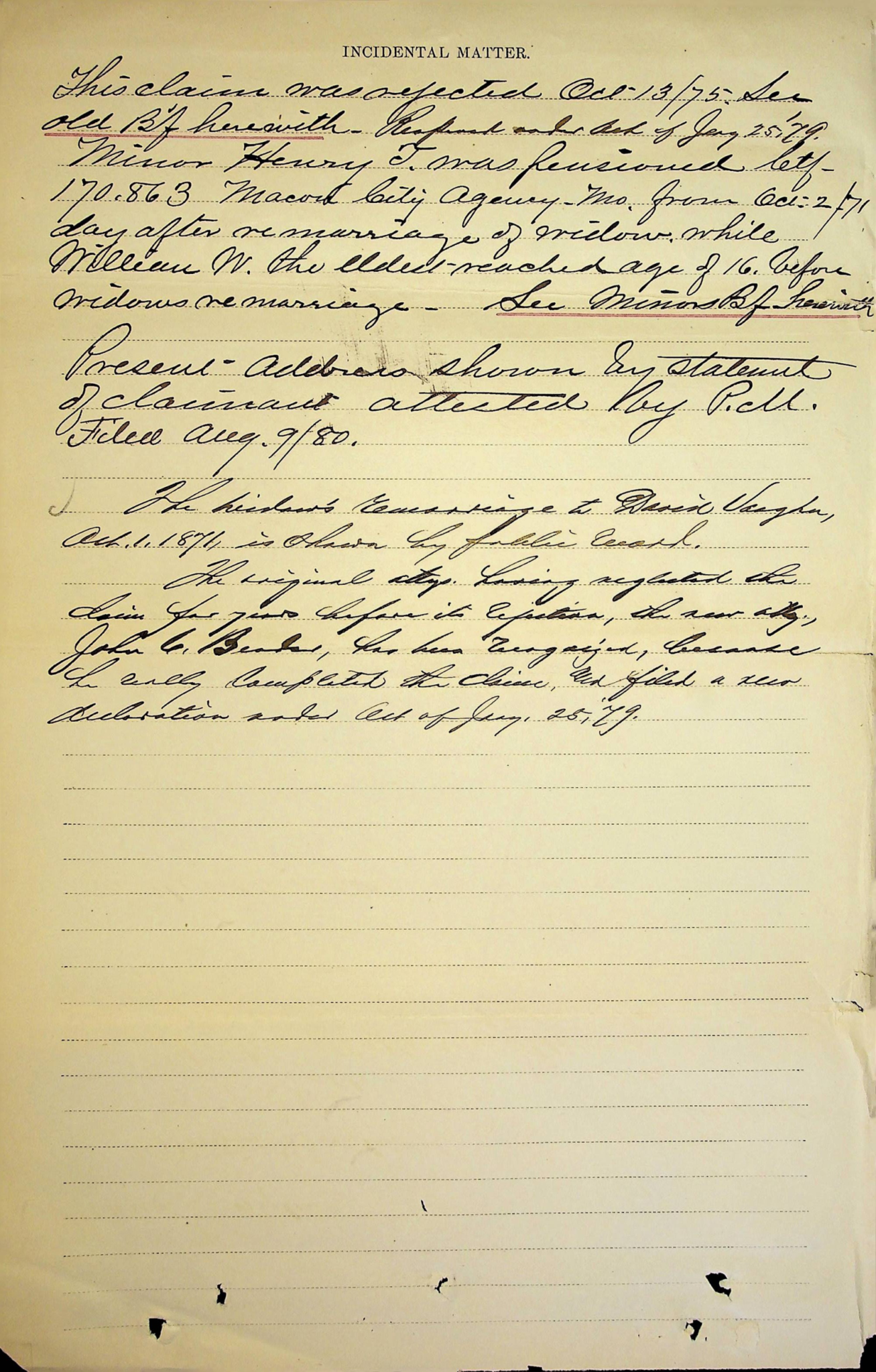
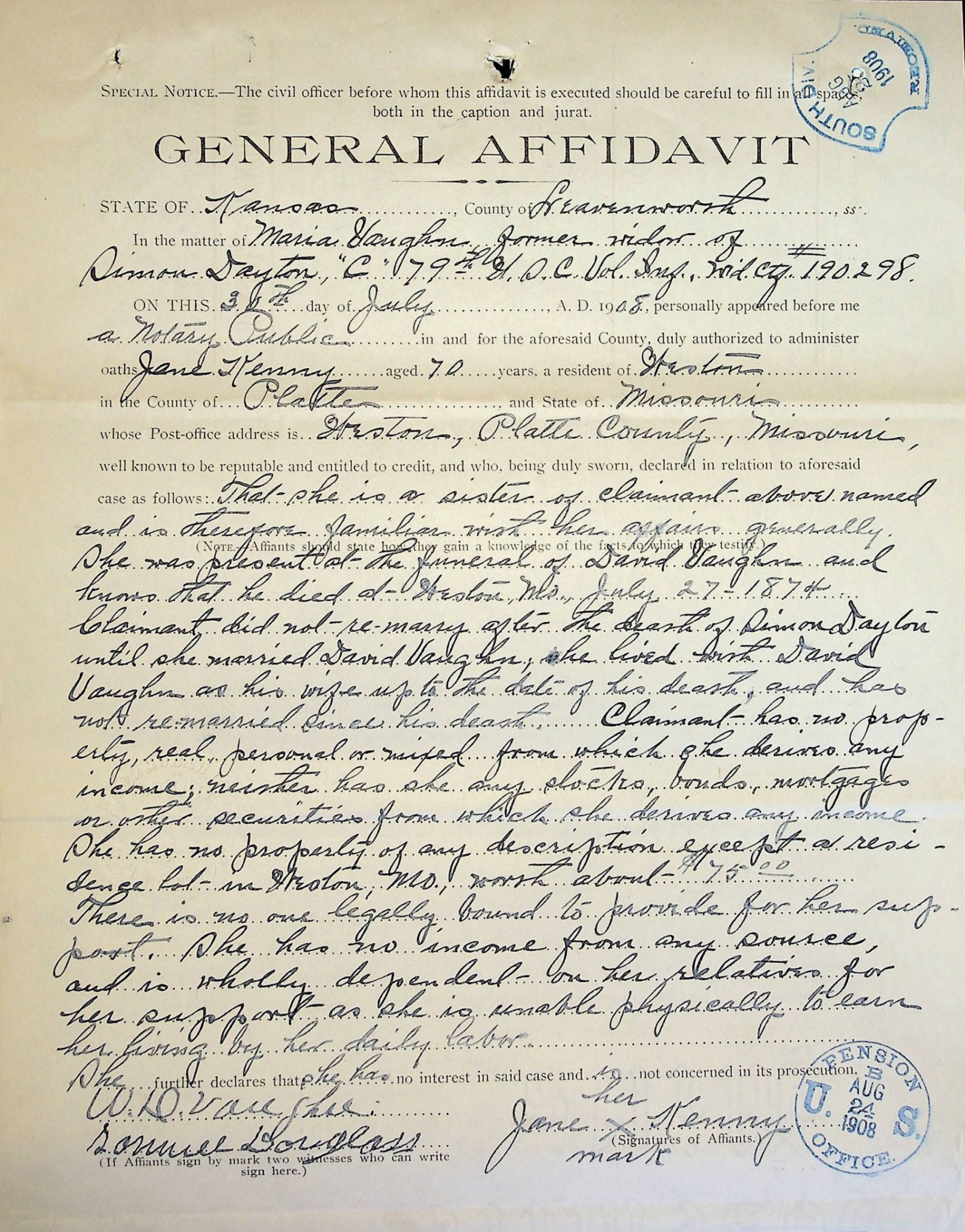
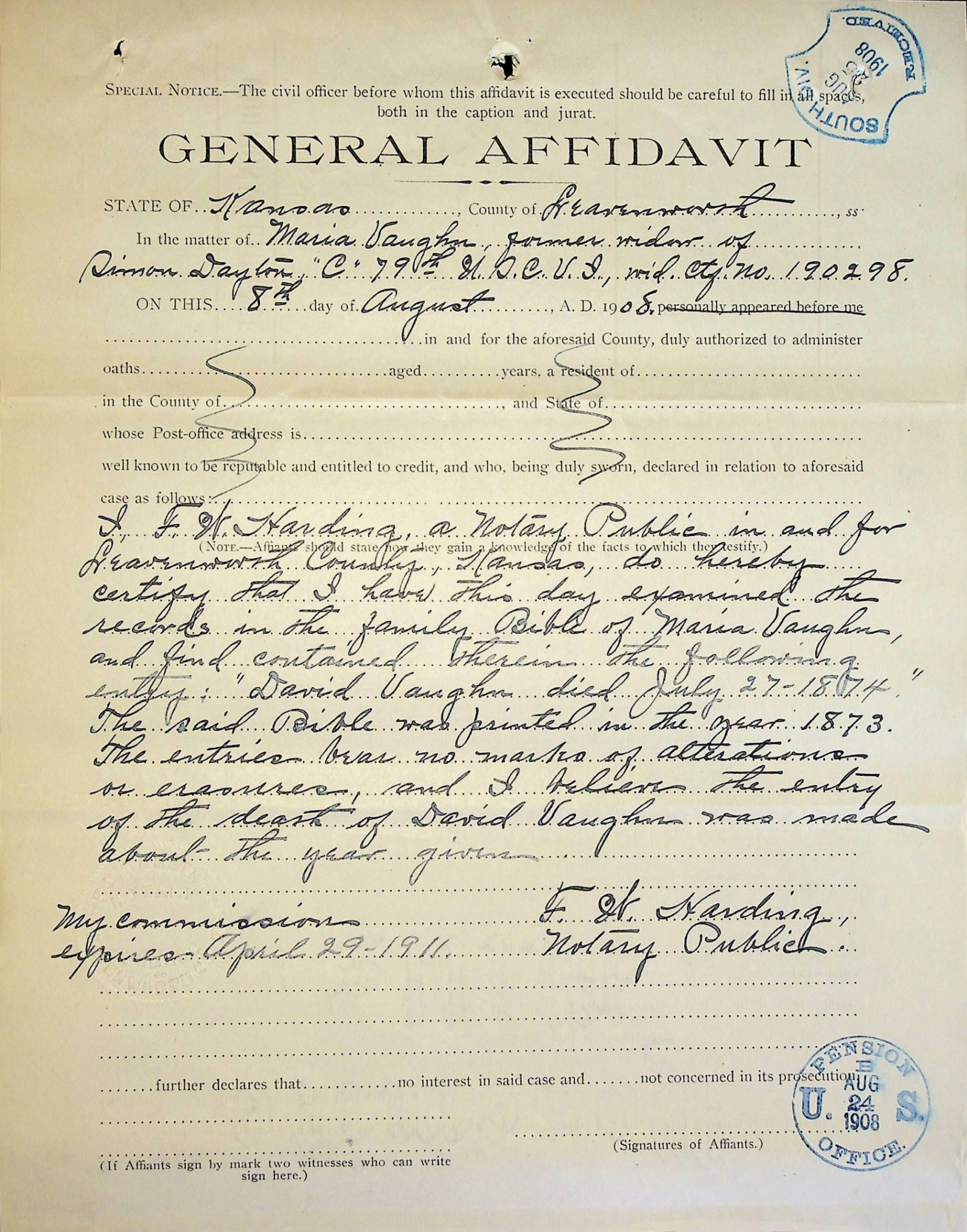
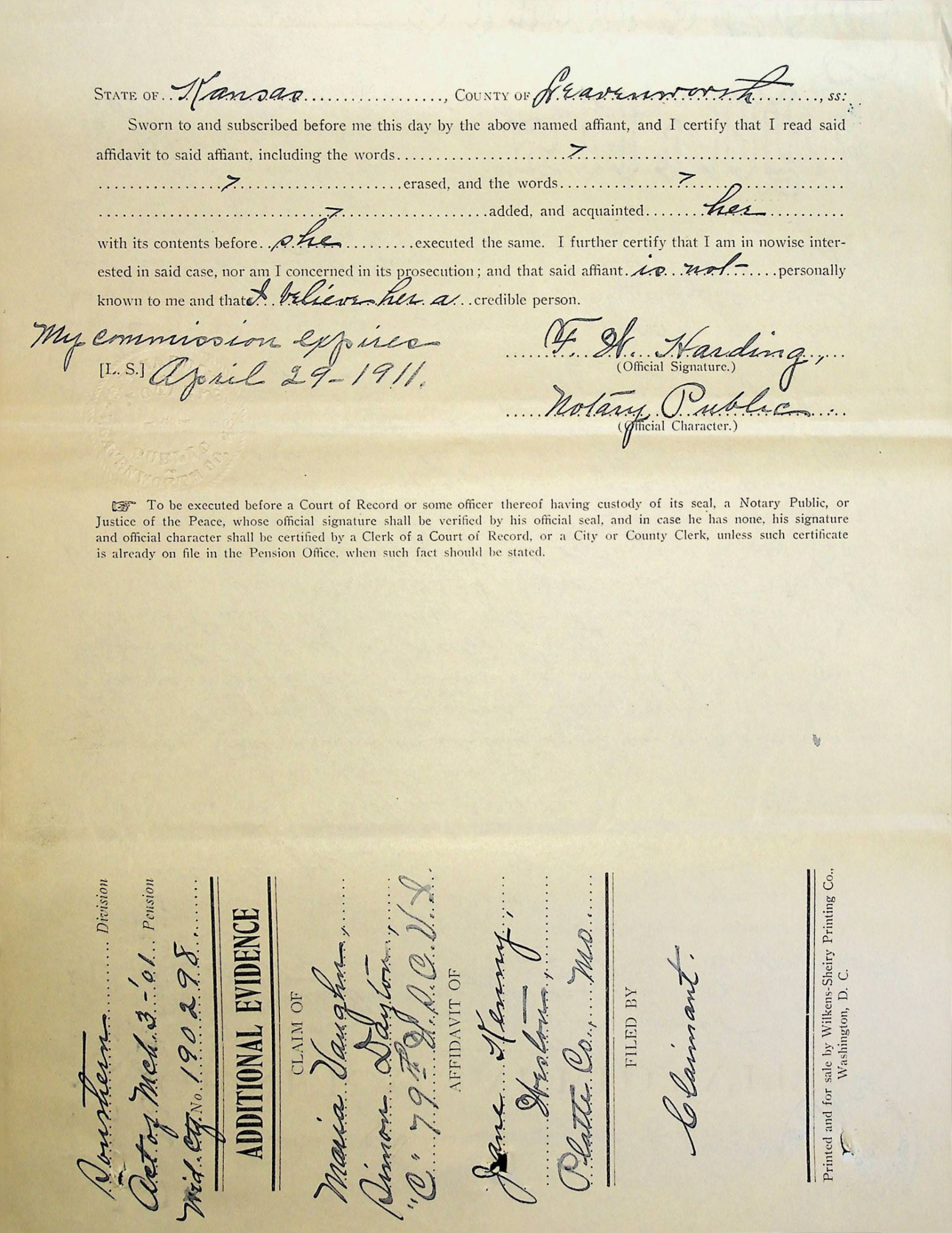
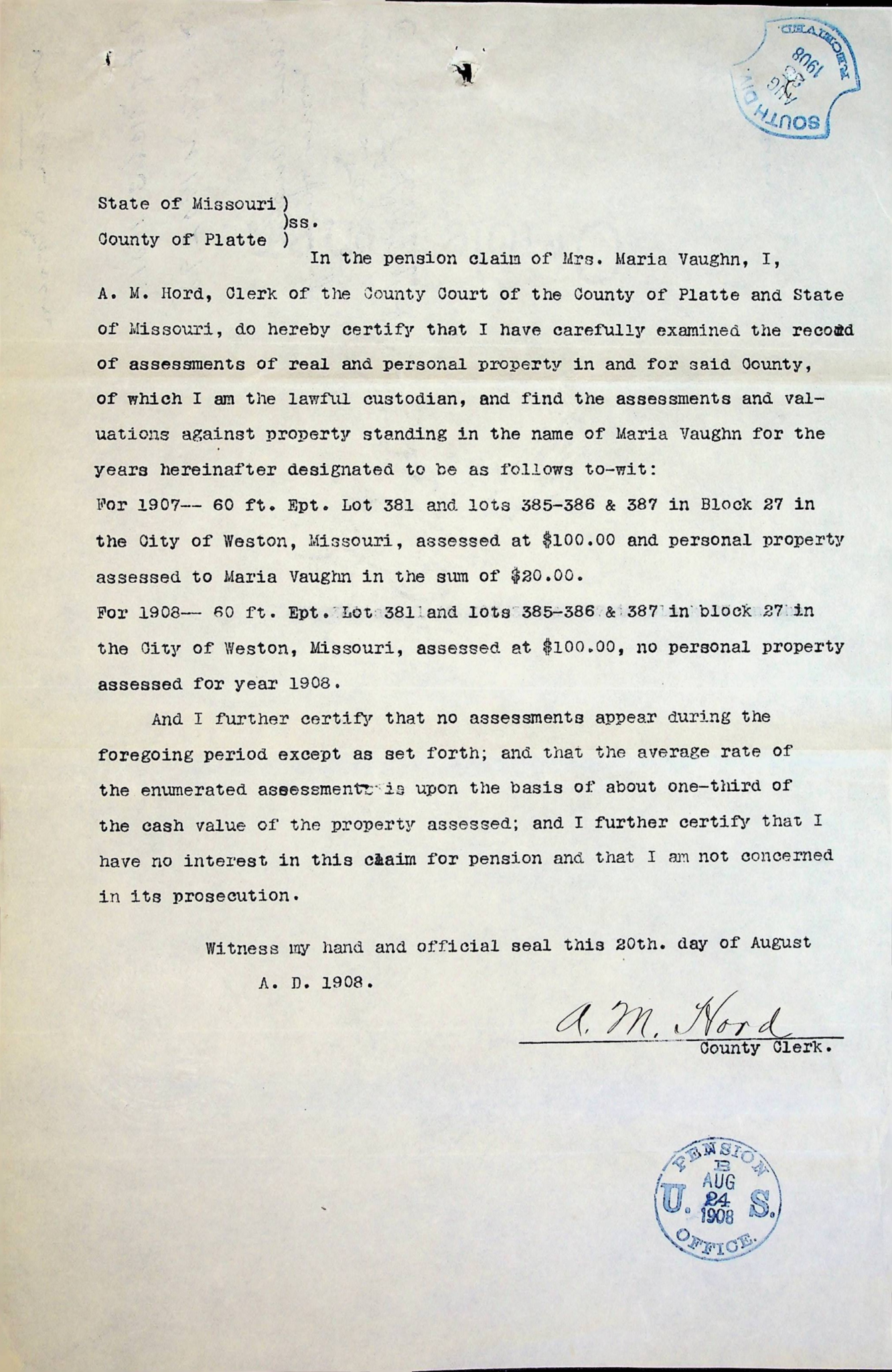
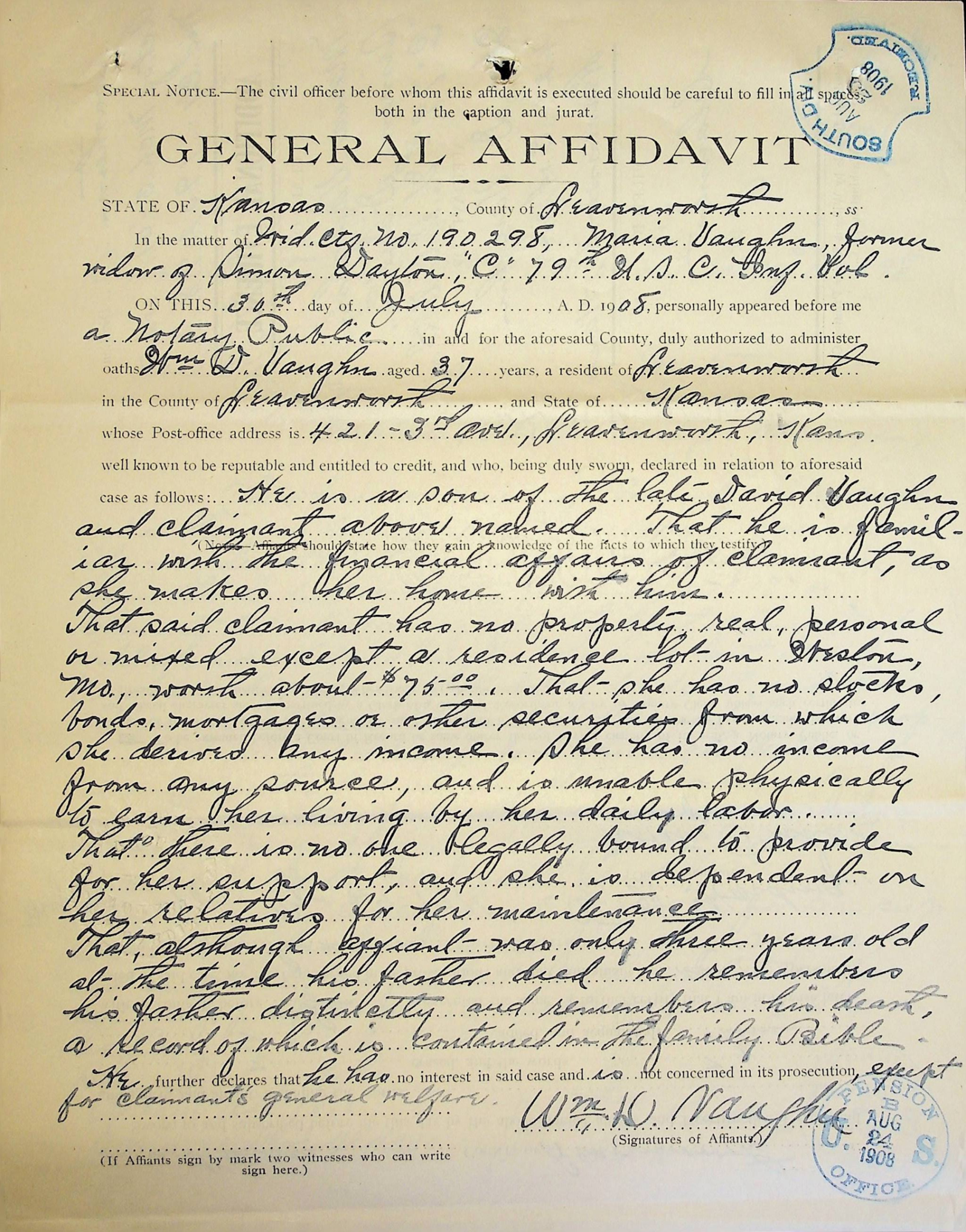
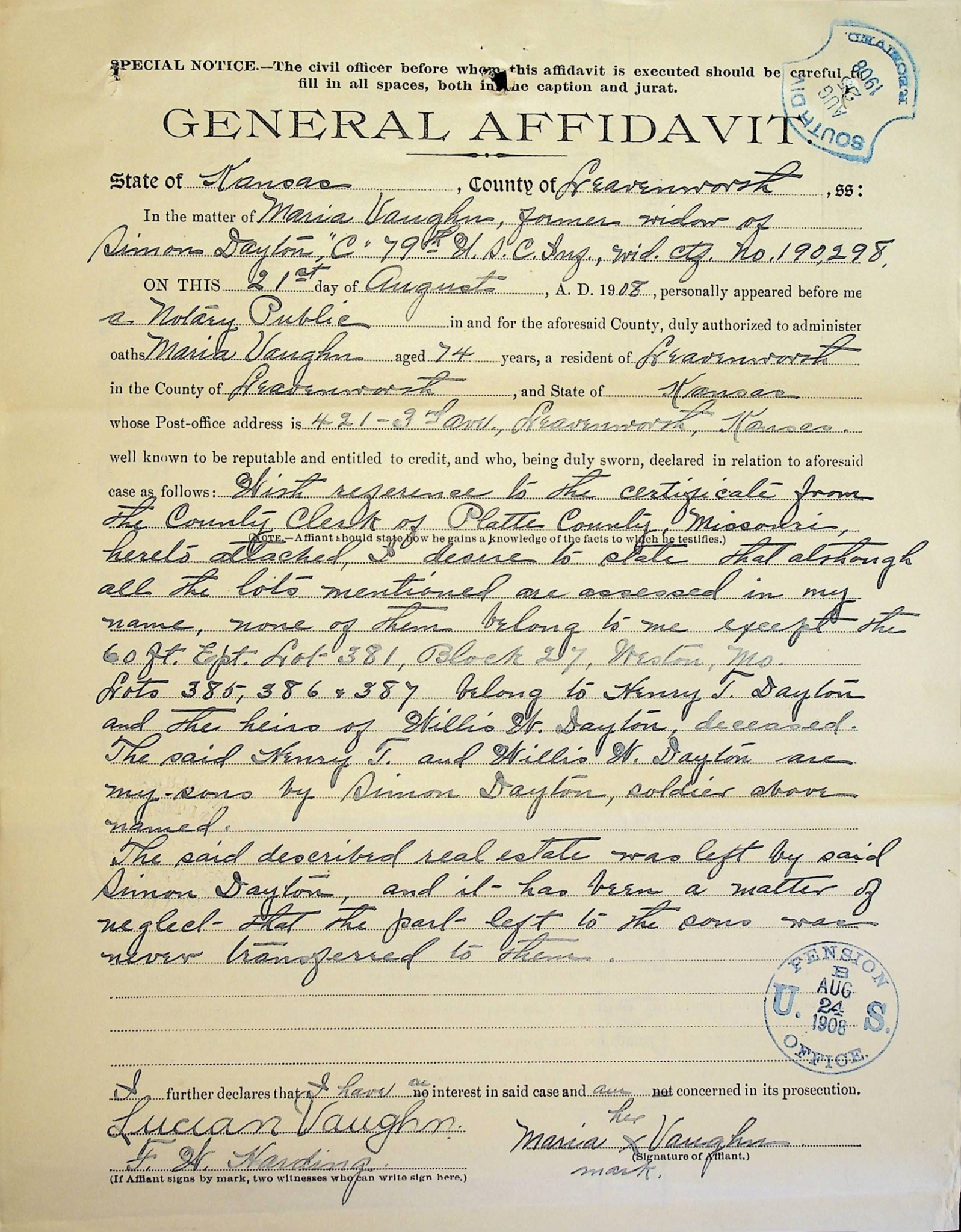
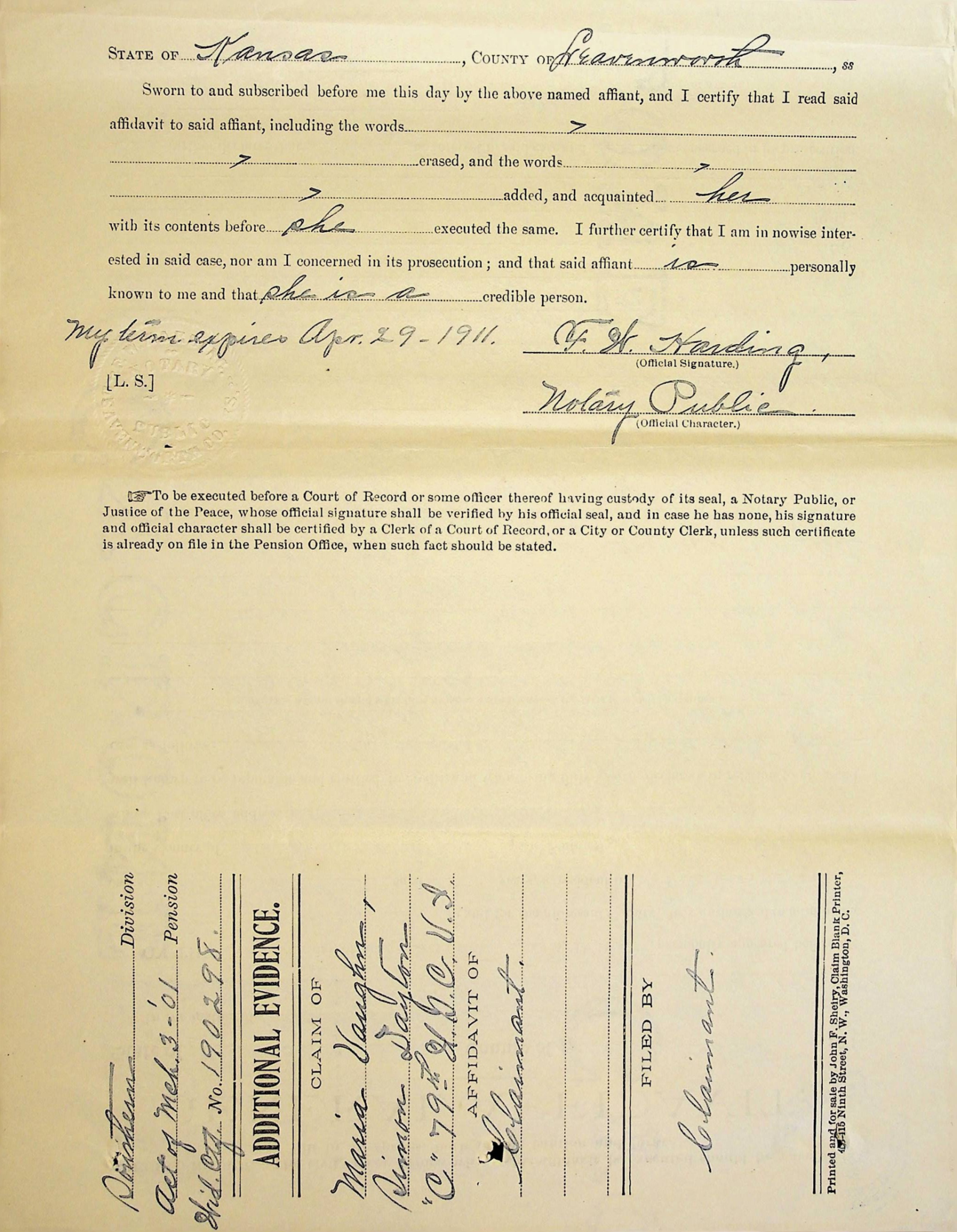
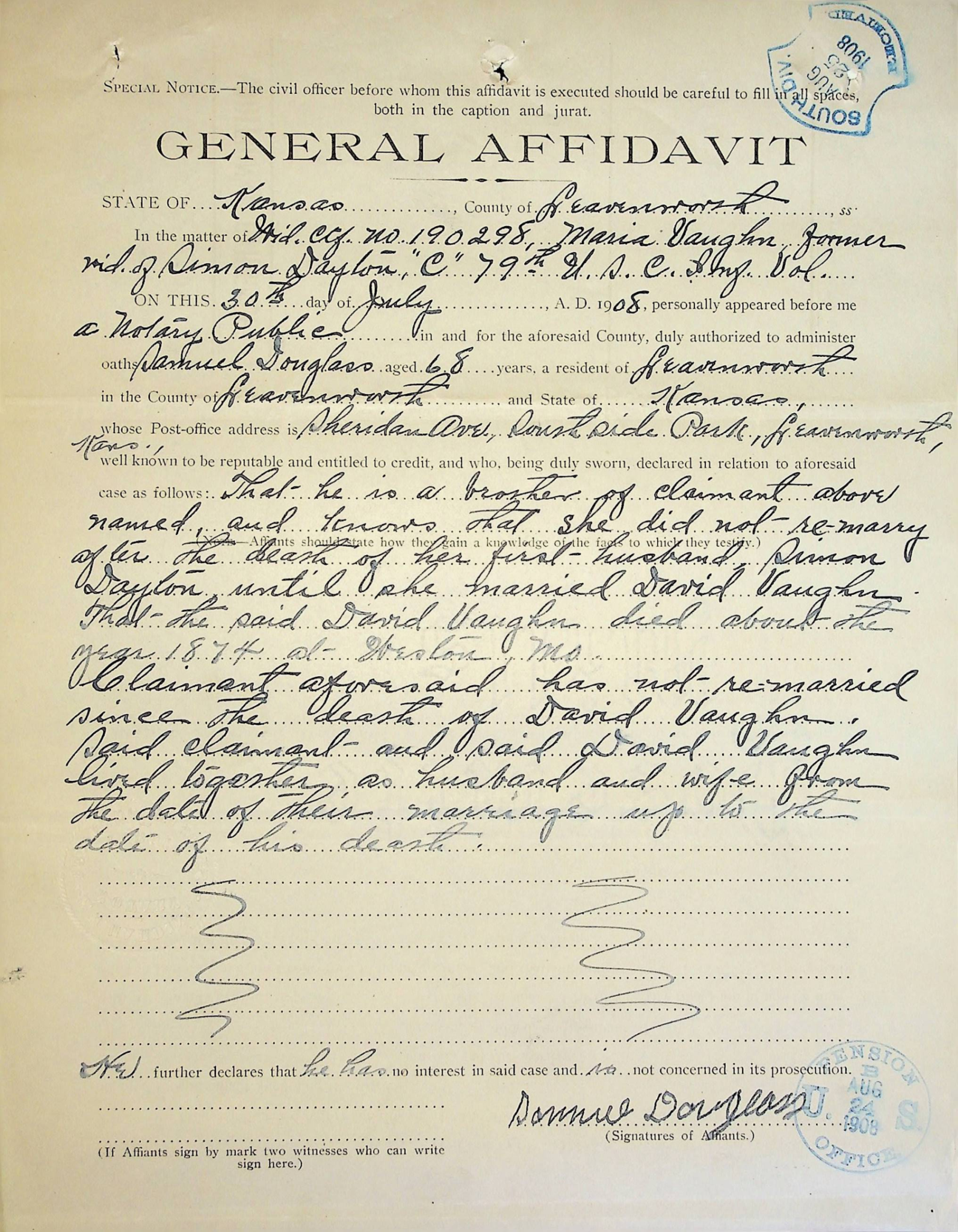
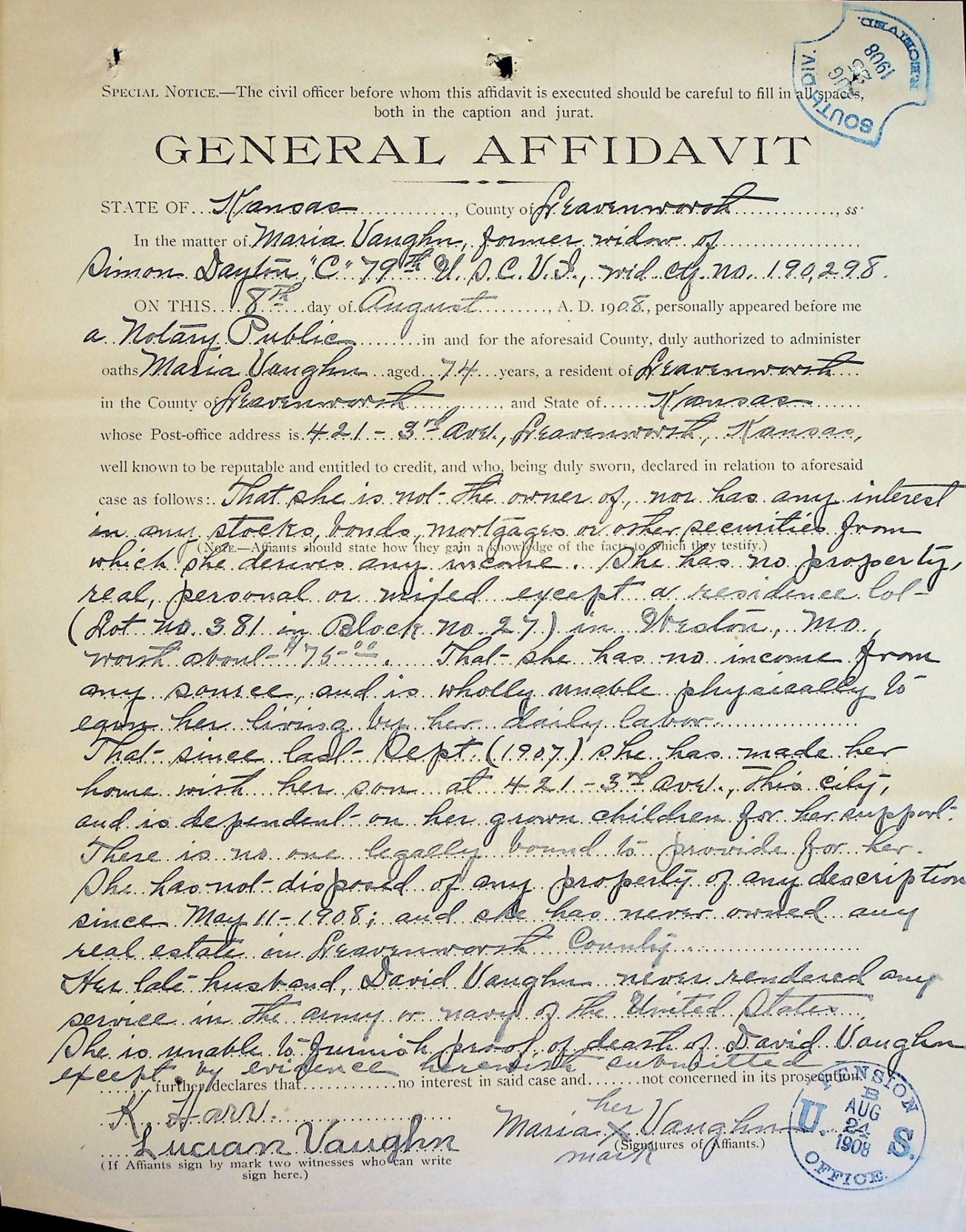
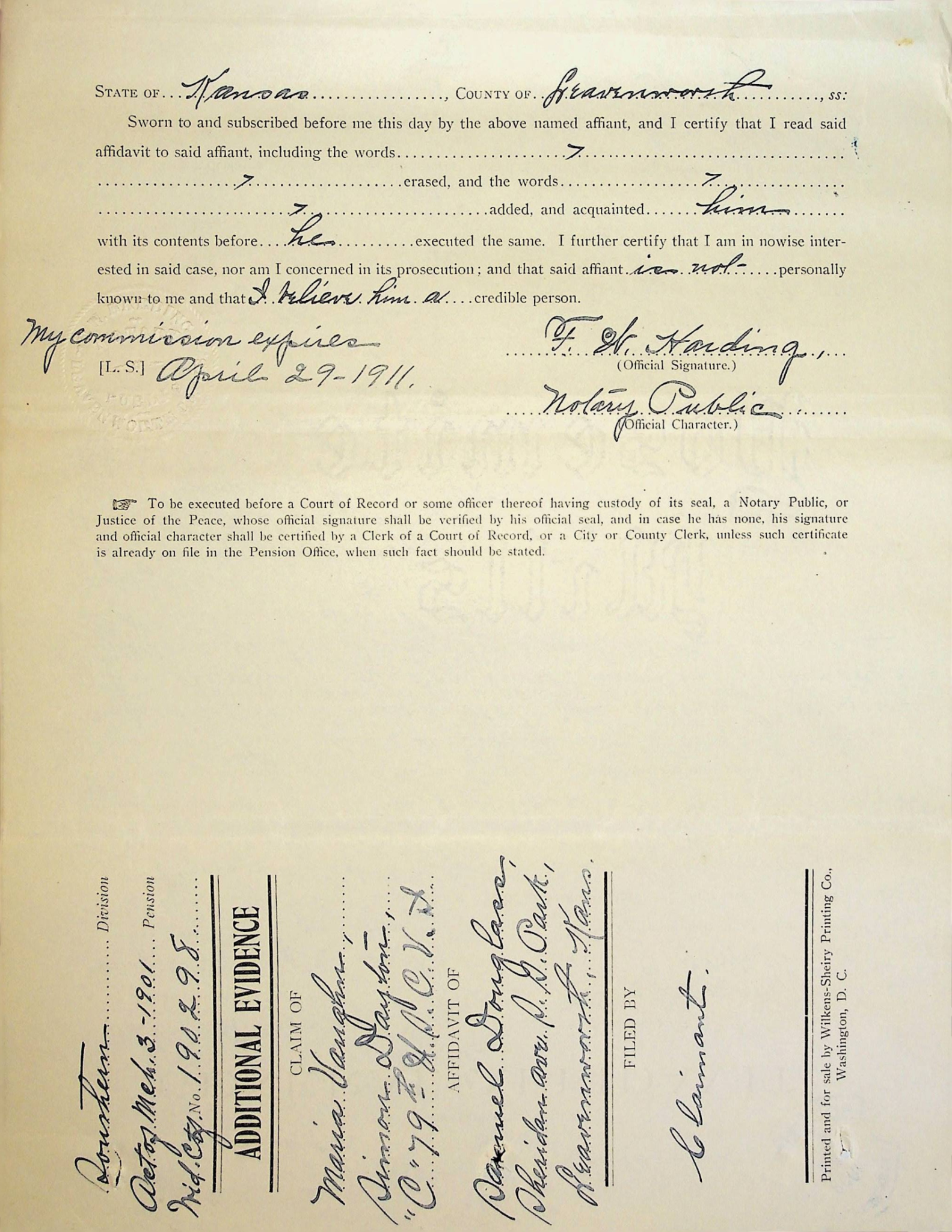
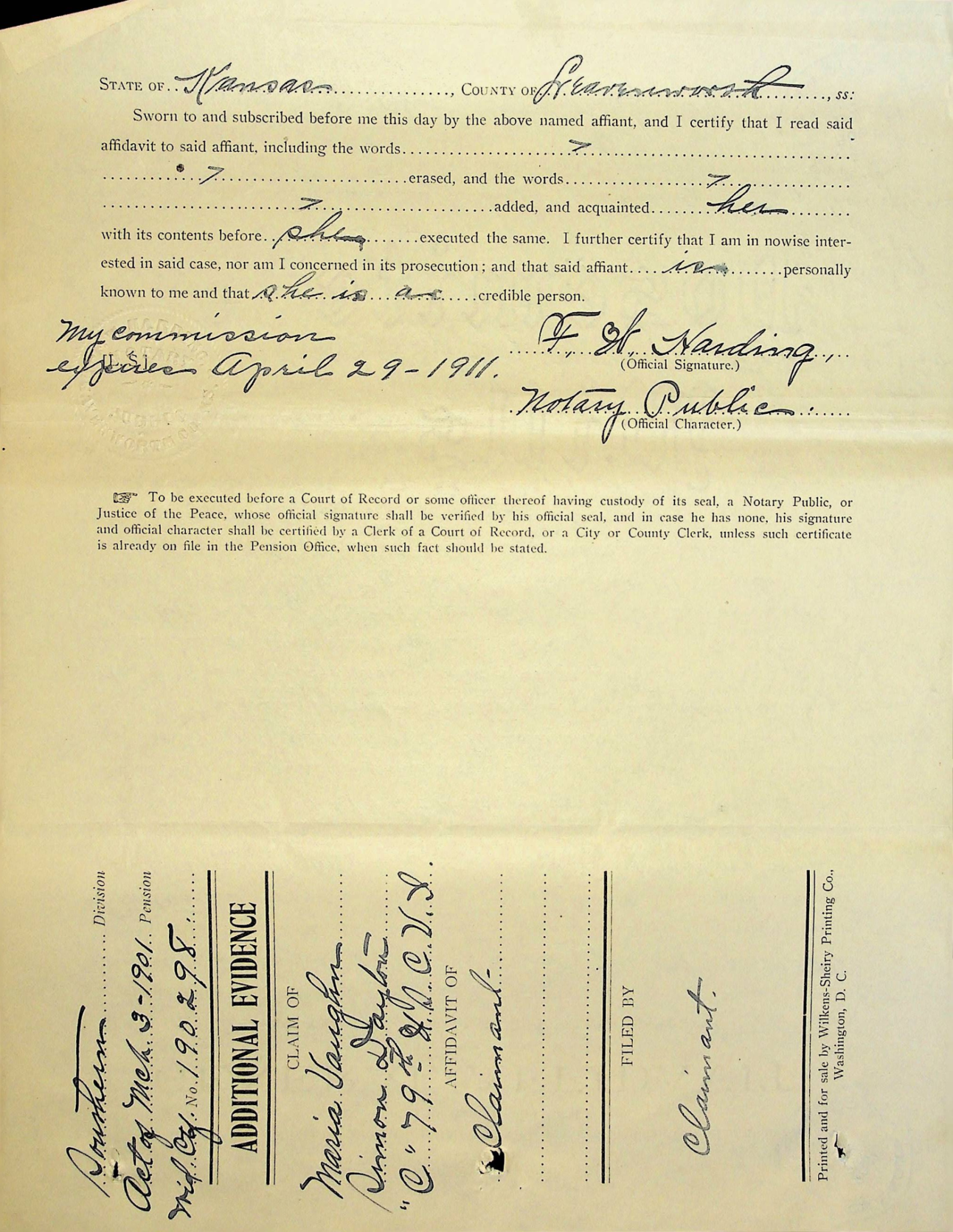
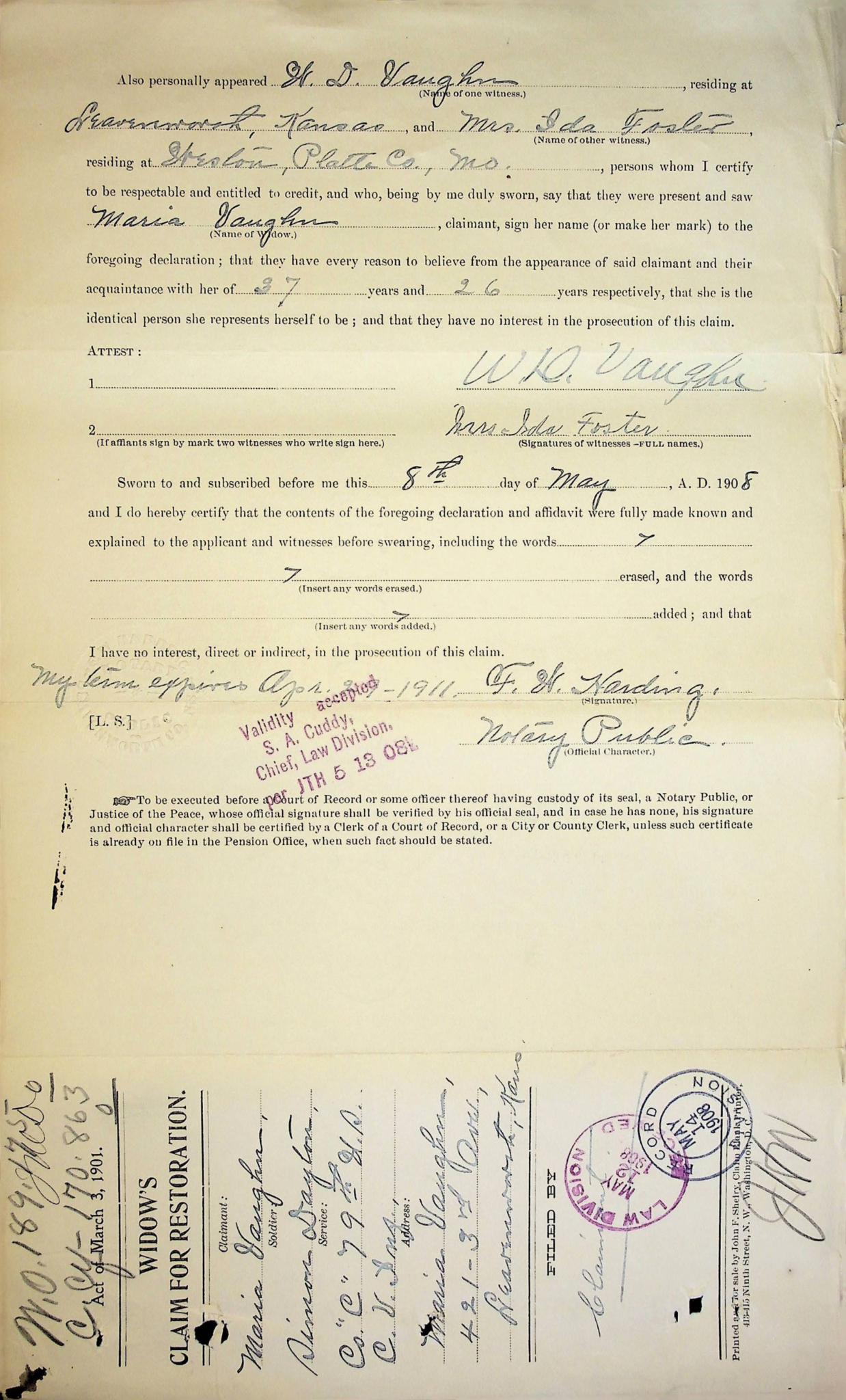
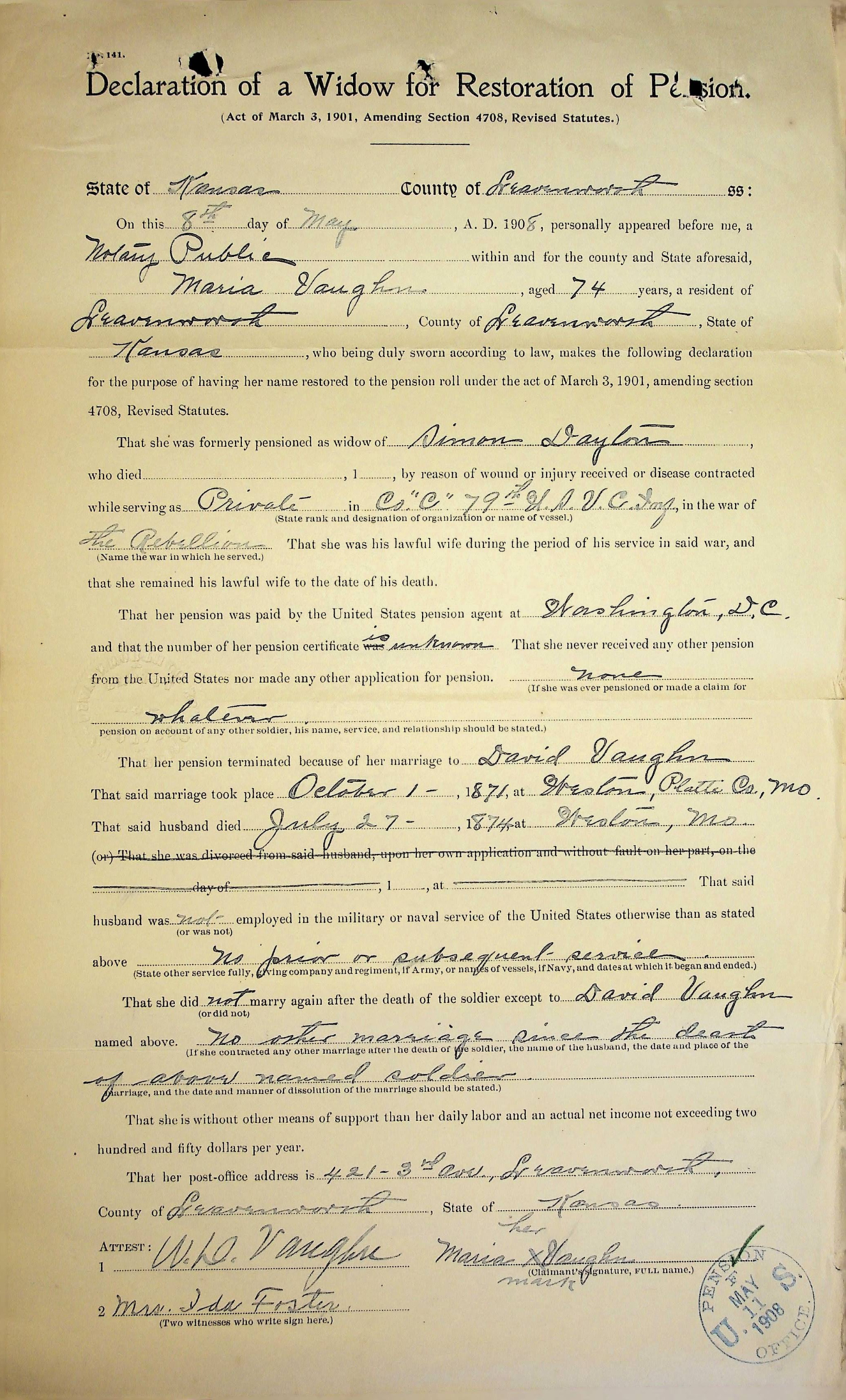
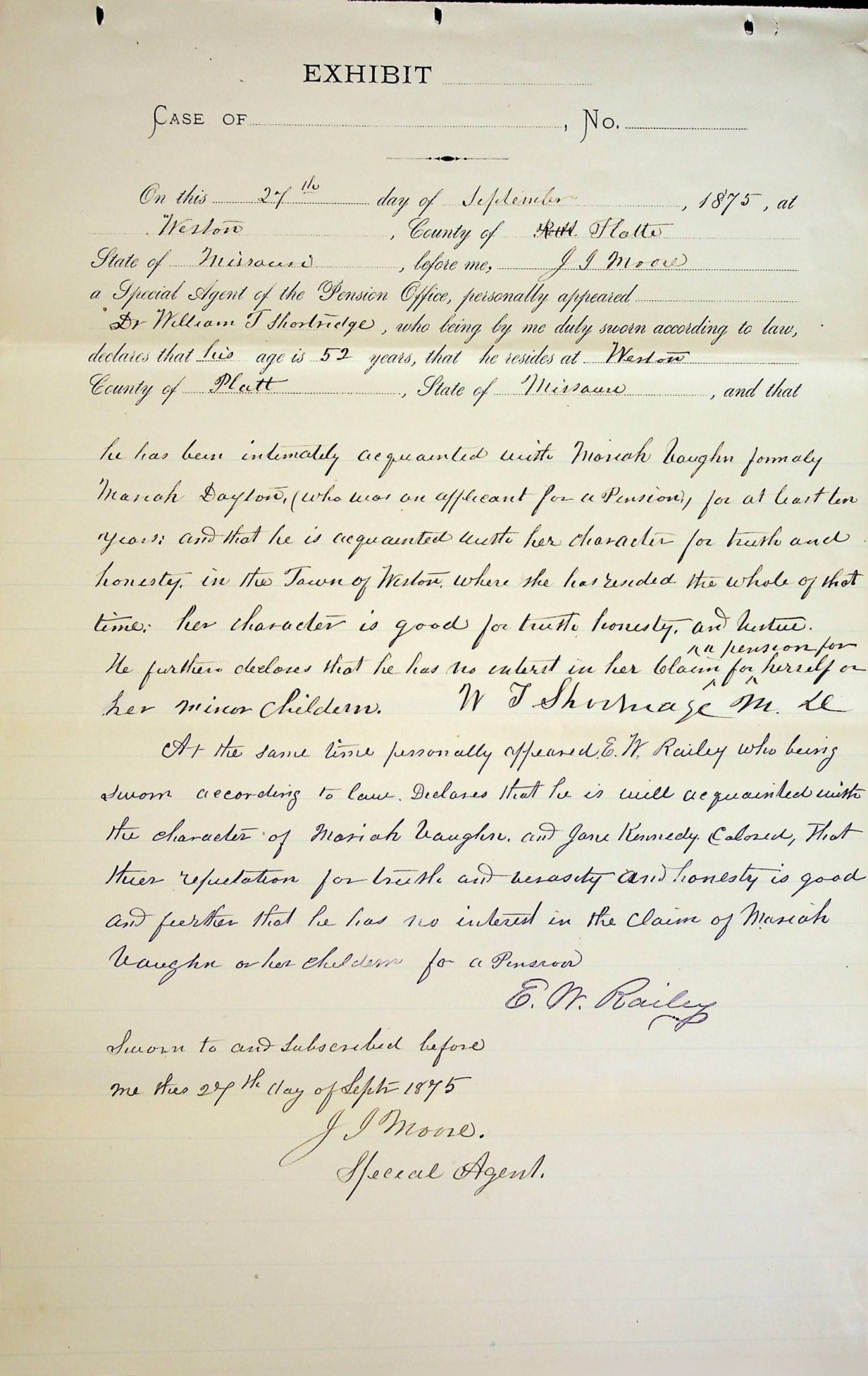
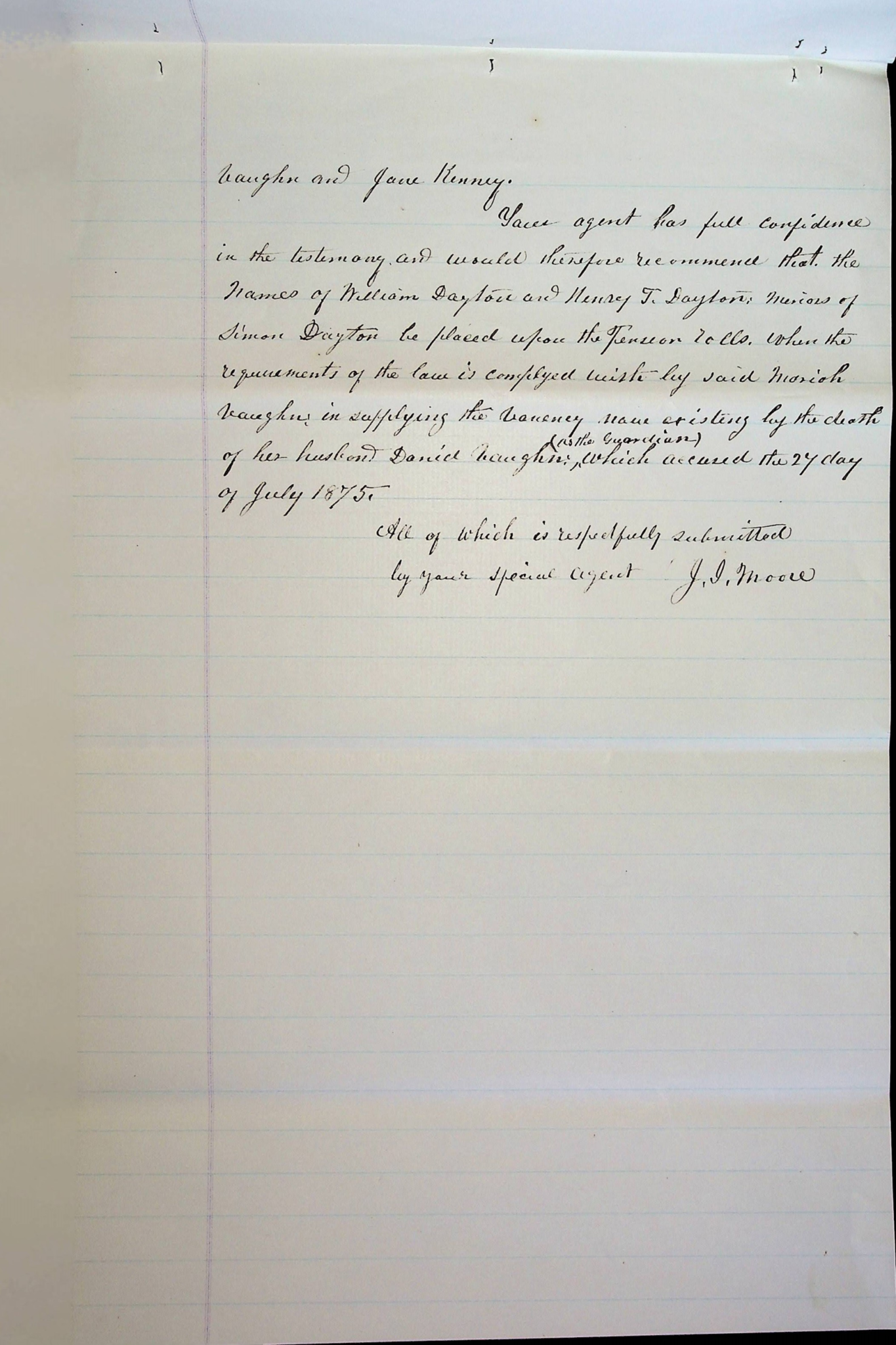
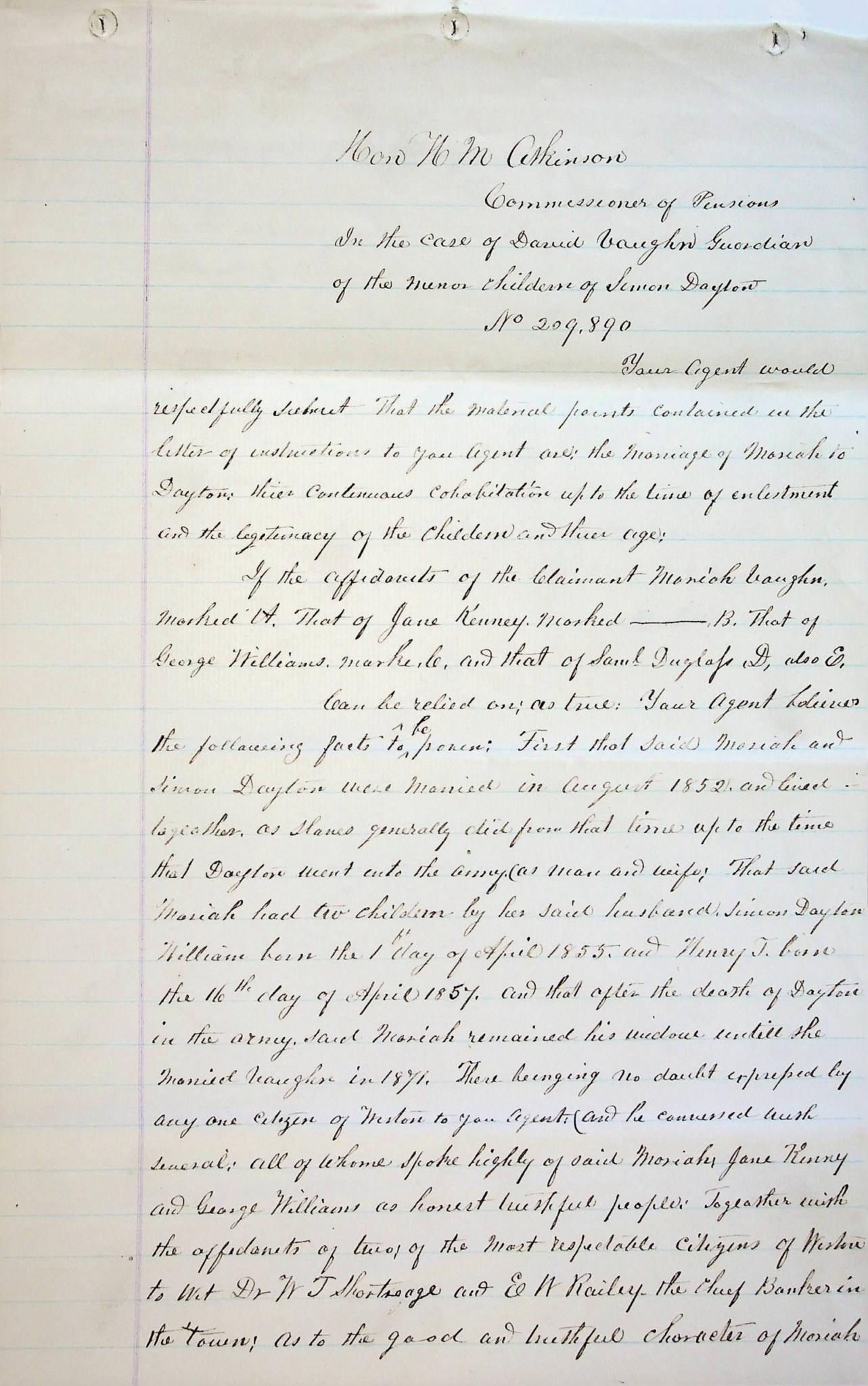
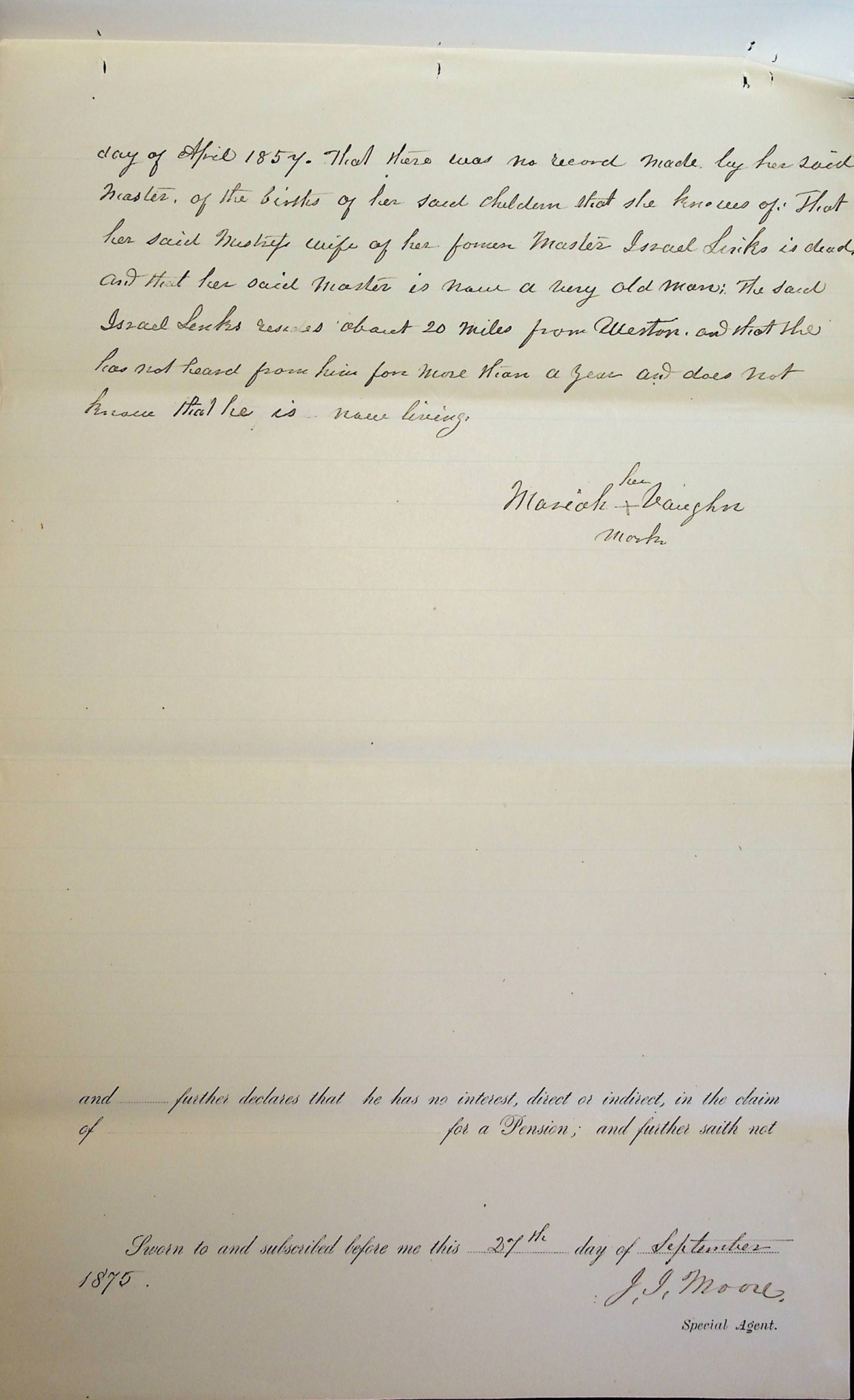
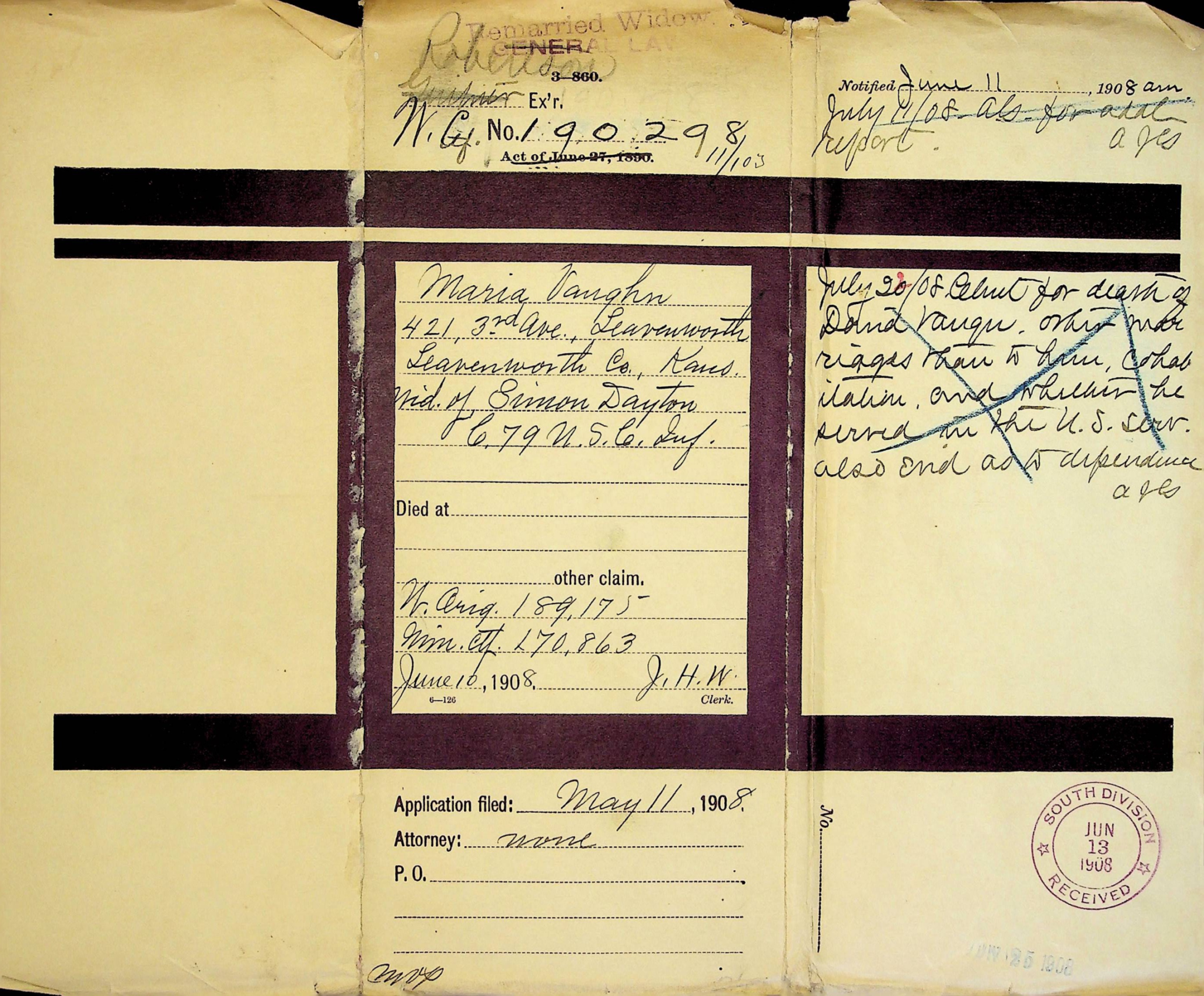
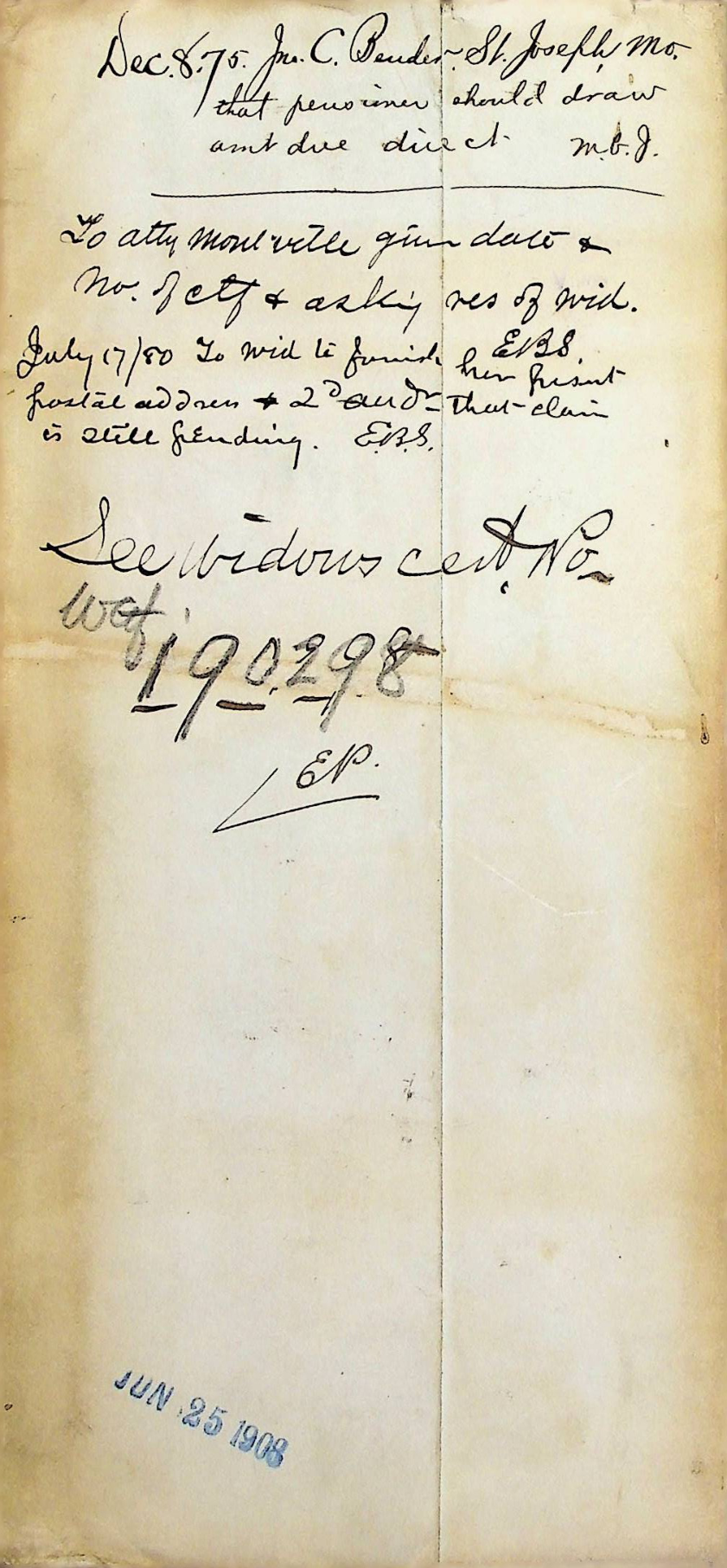
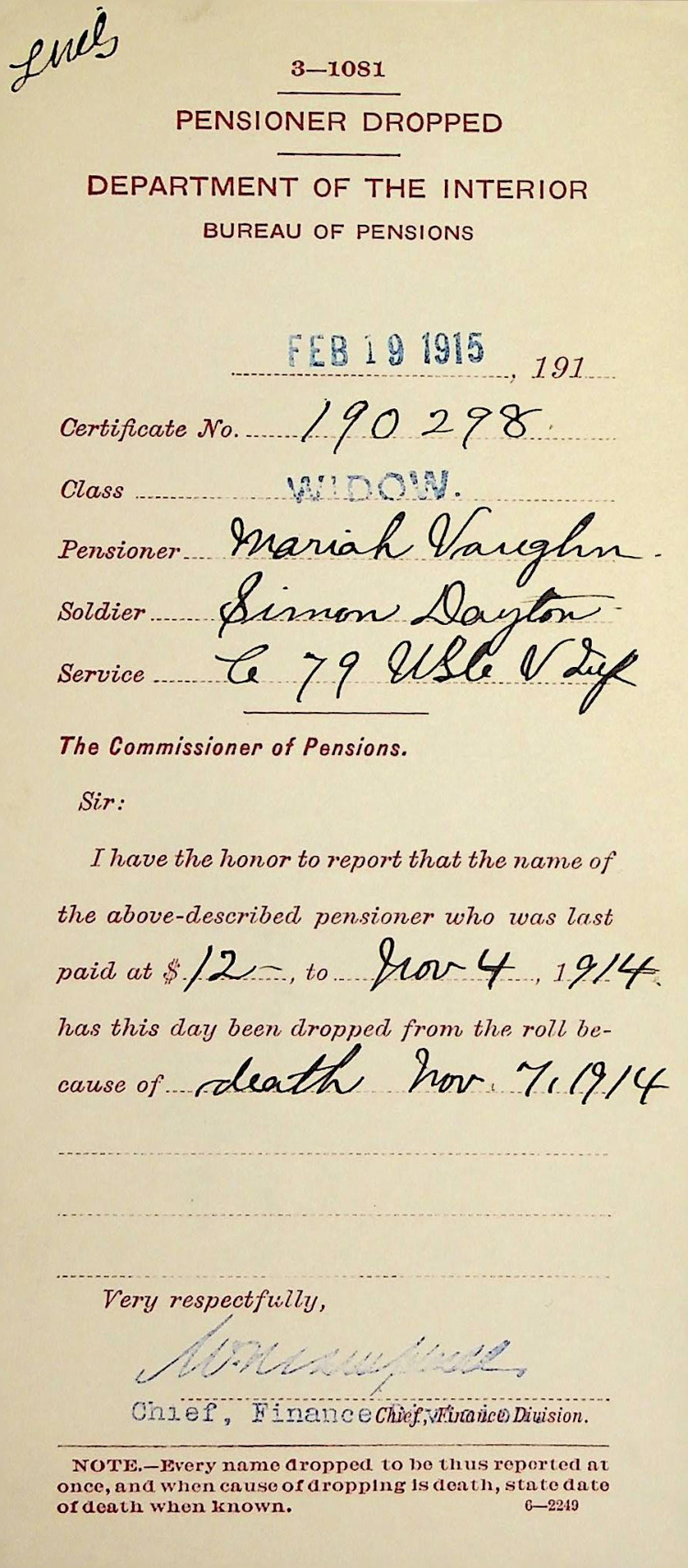
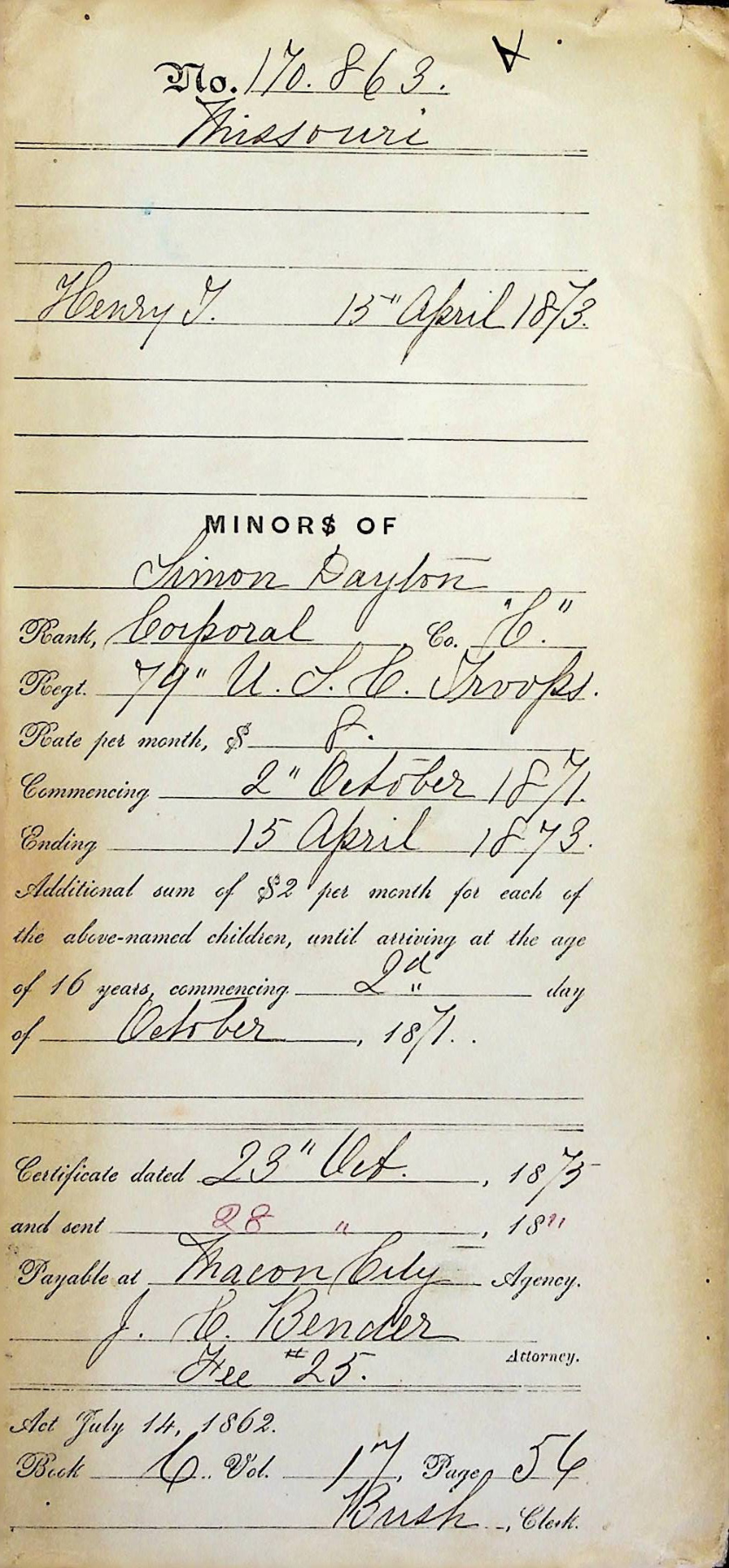
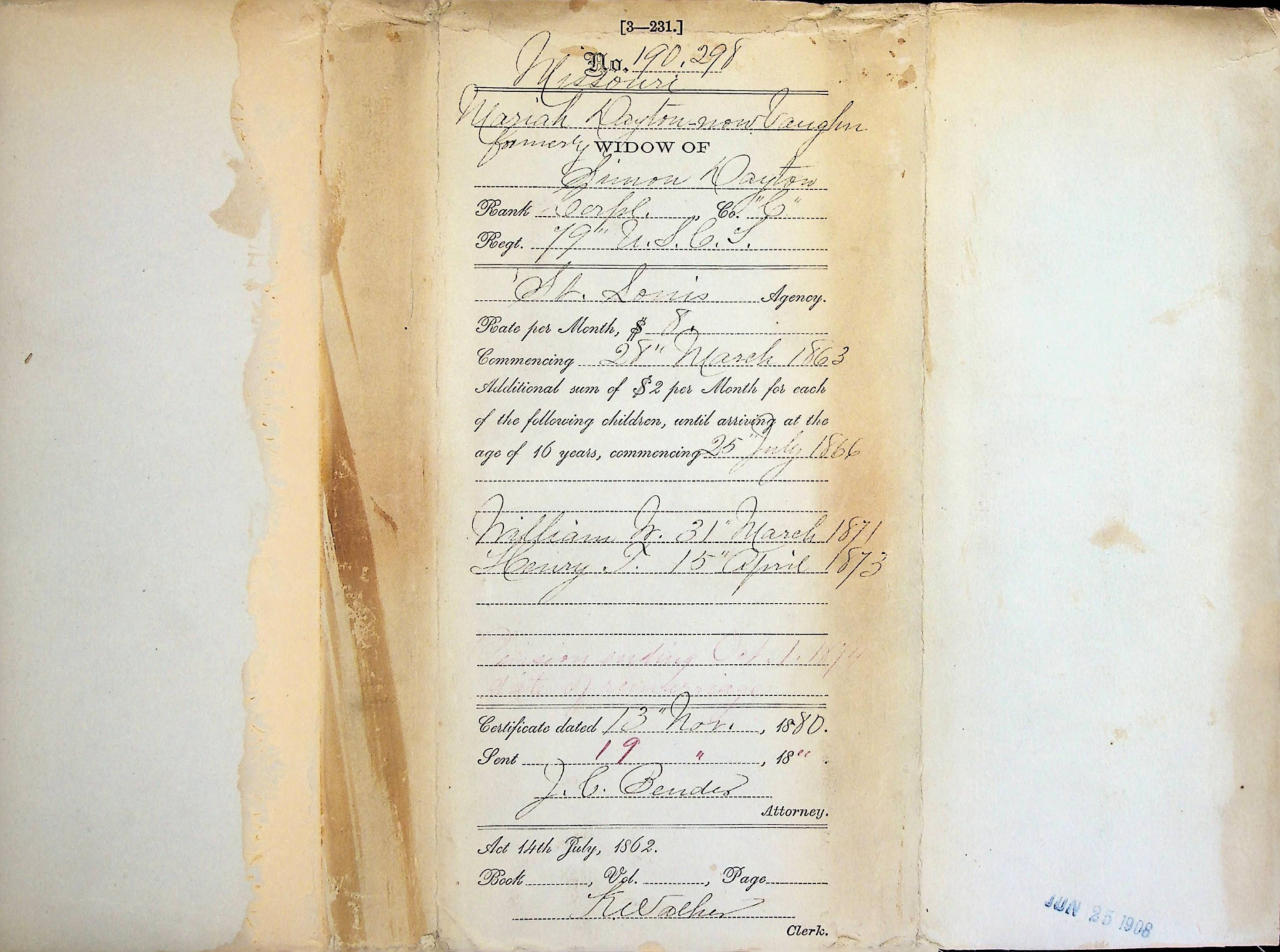
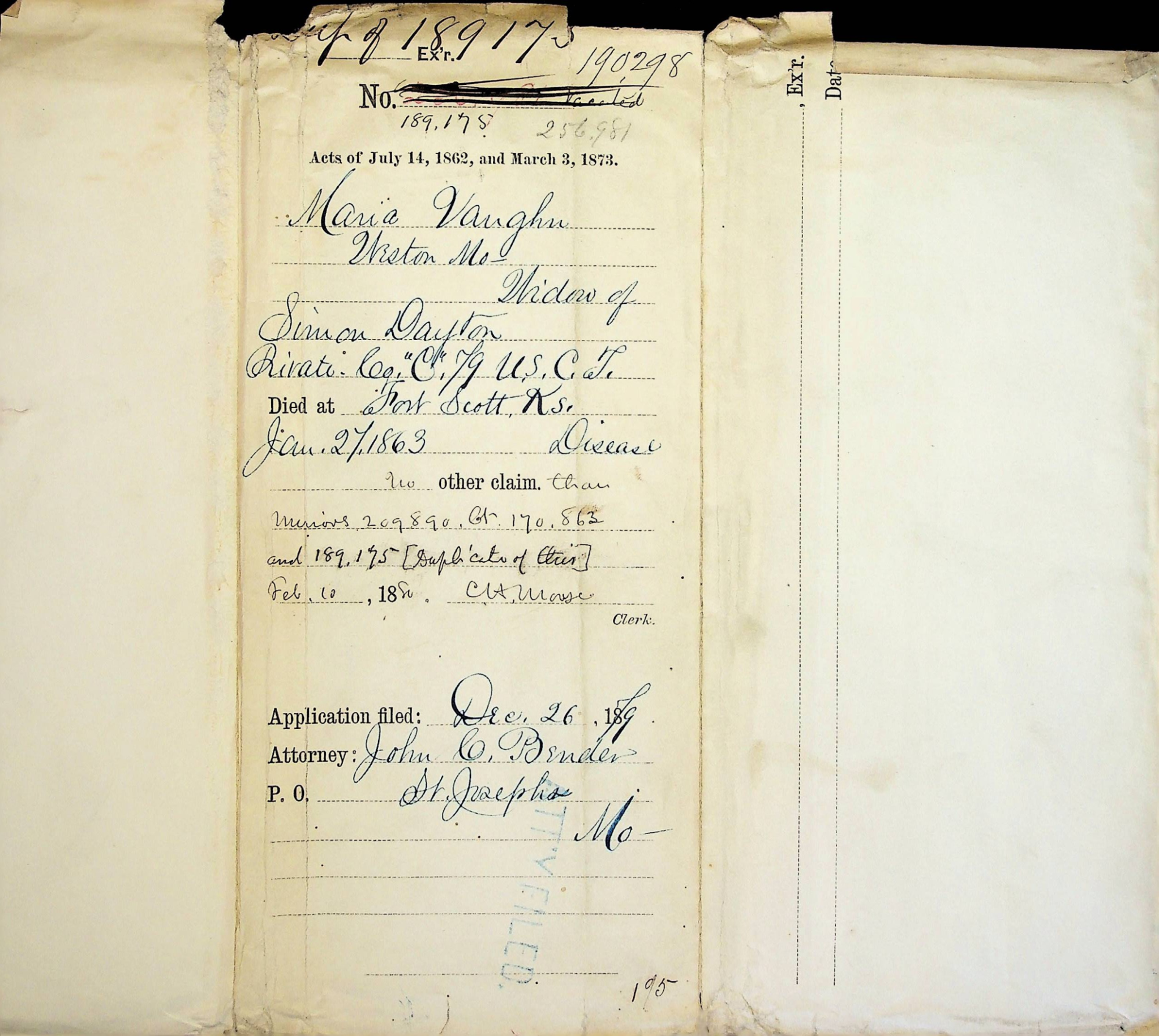
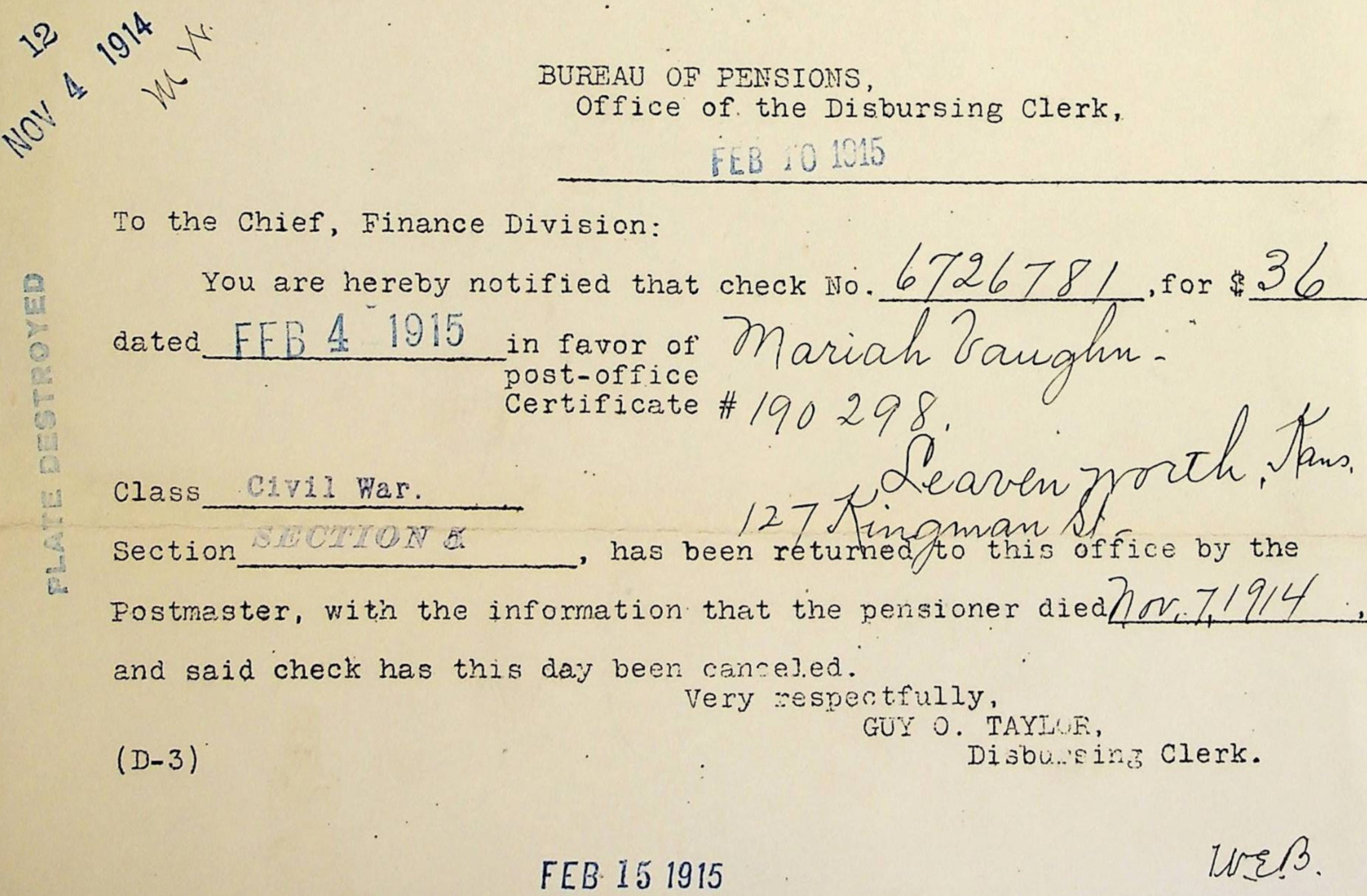
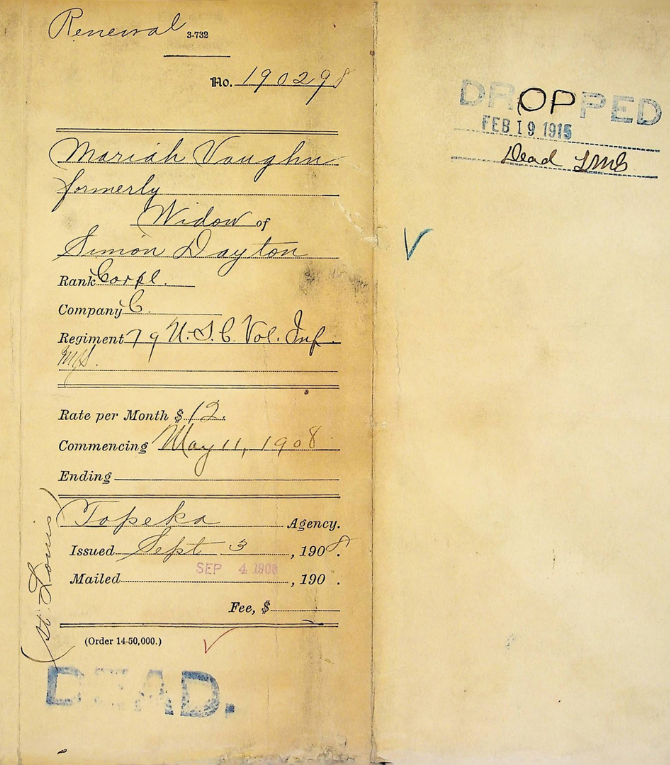
Enslaver Colby Twyman, who was 15 years his senior, also died in 1863. His estate viewed Simon Dayton as a fugitive slave and applied “For compensation for service of Slave” after the war, on 22 January 1867, to no avail. Through a complicated series of red tape replete with multiple affiants, both white and Black, and dogged persistence, Mariah Dayton’s Widow’s Pension application eventually paid off, a story for yet another day. In death, Corporal Simon Dayton provided for his family and put Mariah on the path to multiple land ownership in Weston. His sons were five and seven when he last saw them.
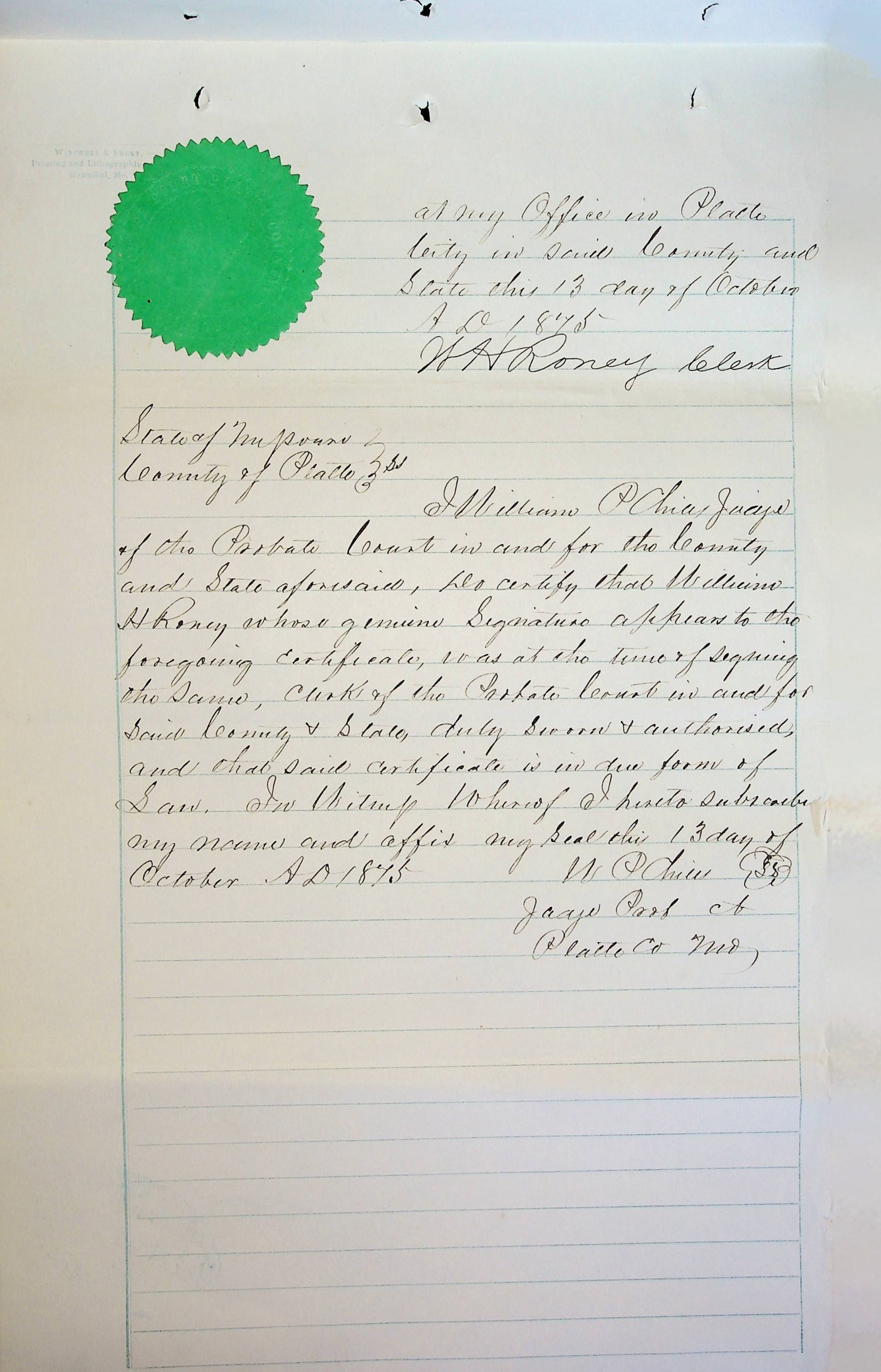
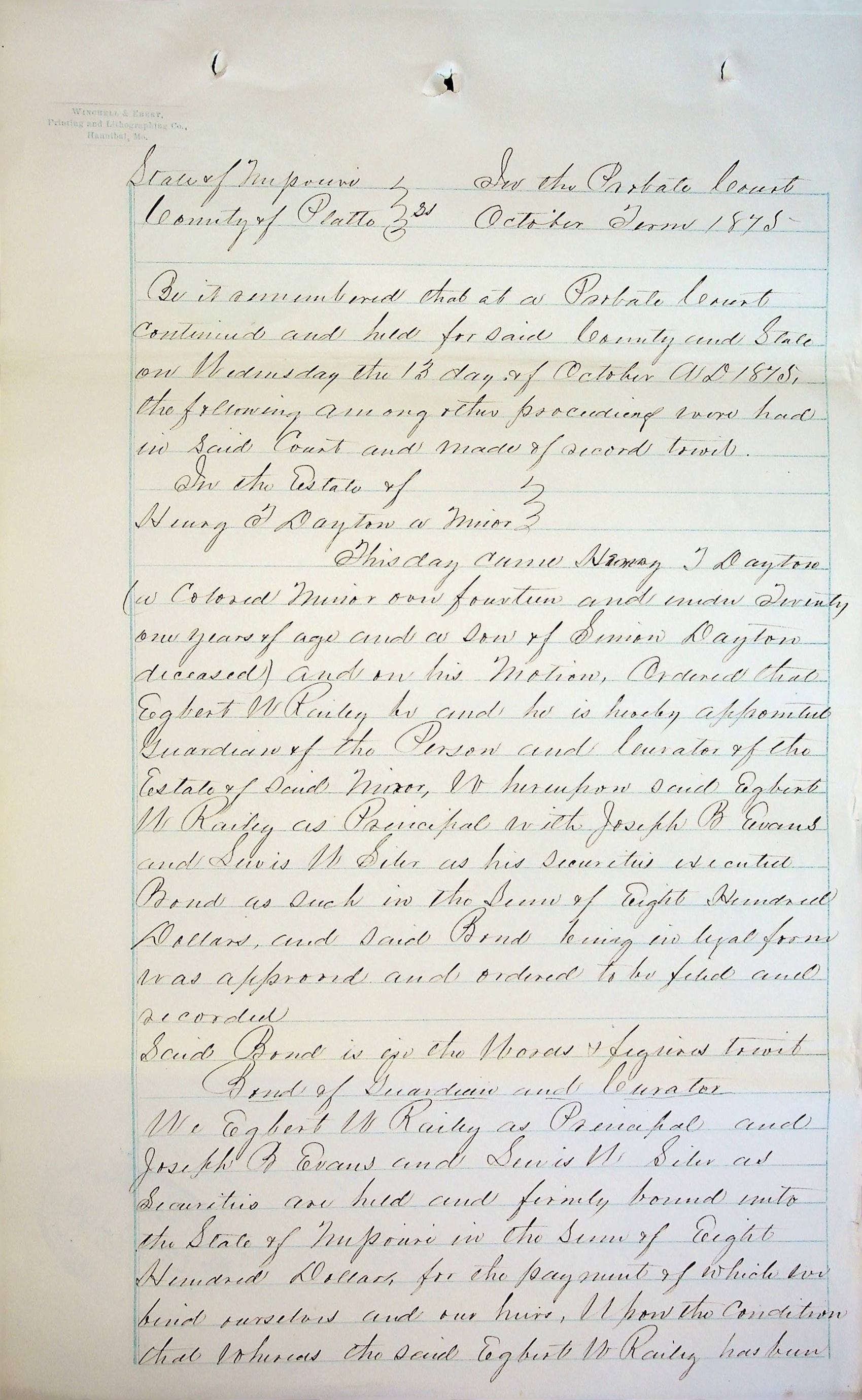
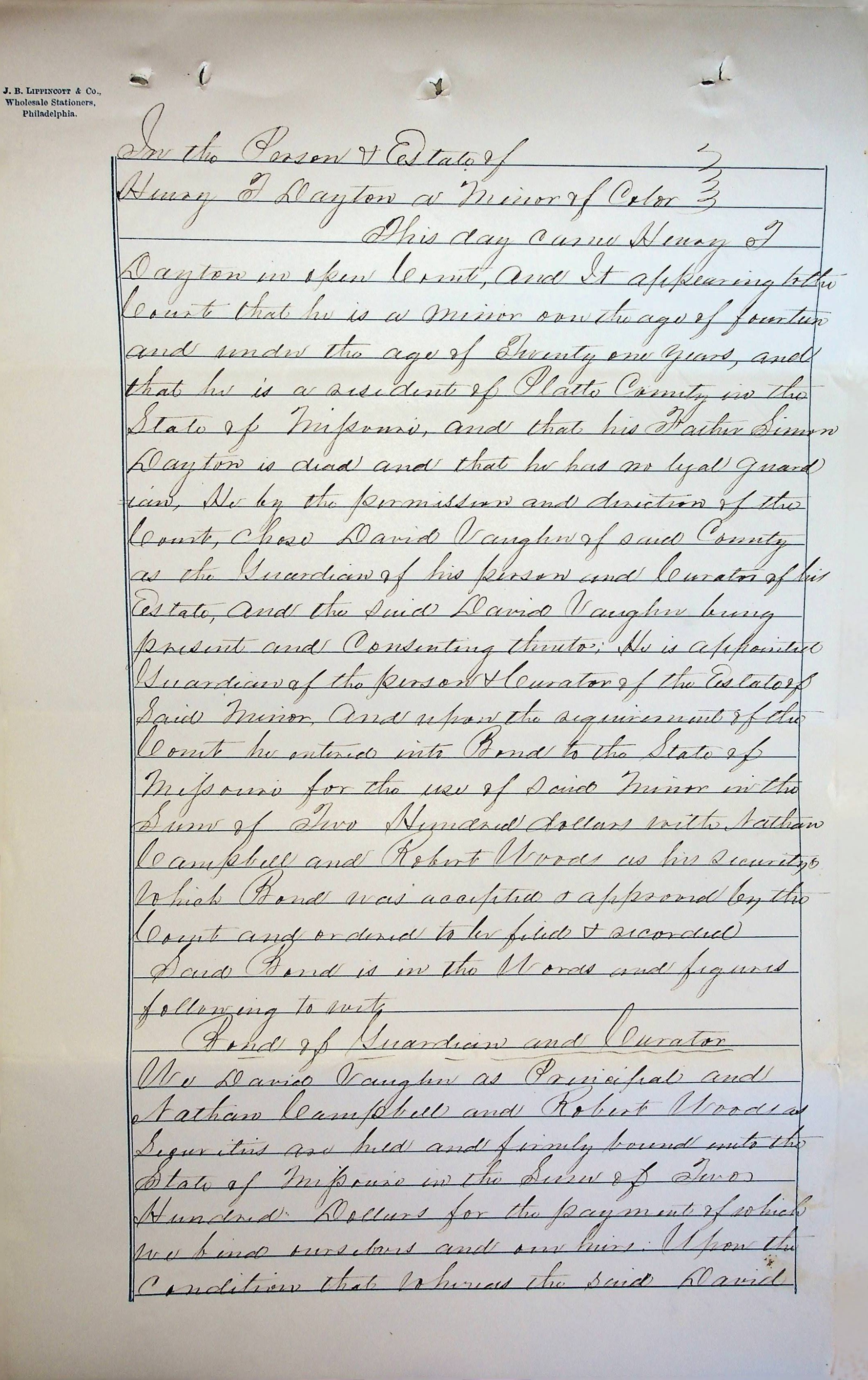
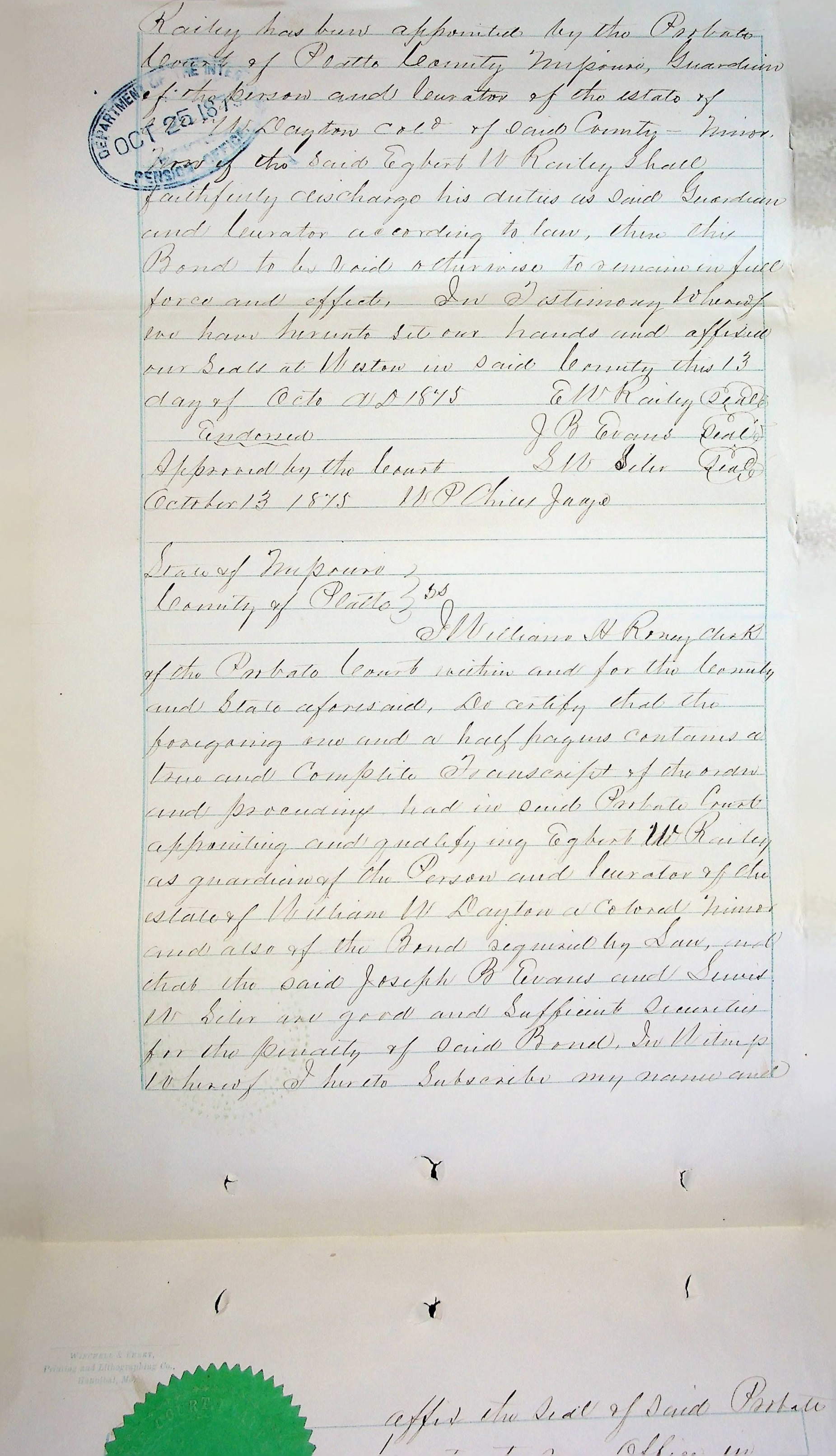
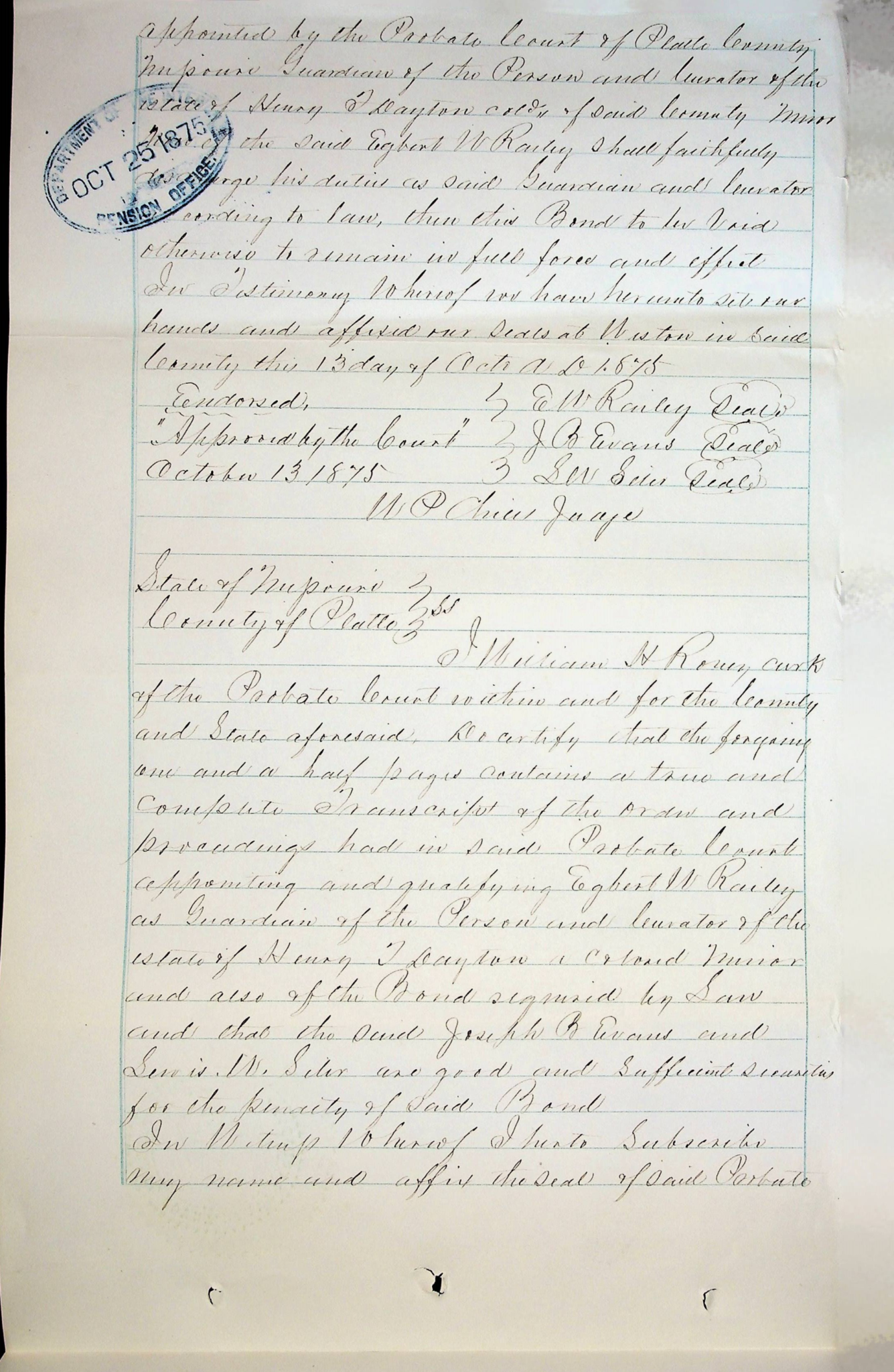
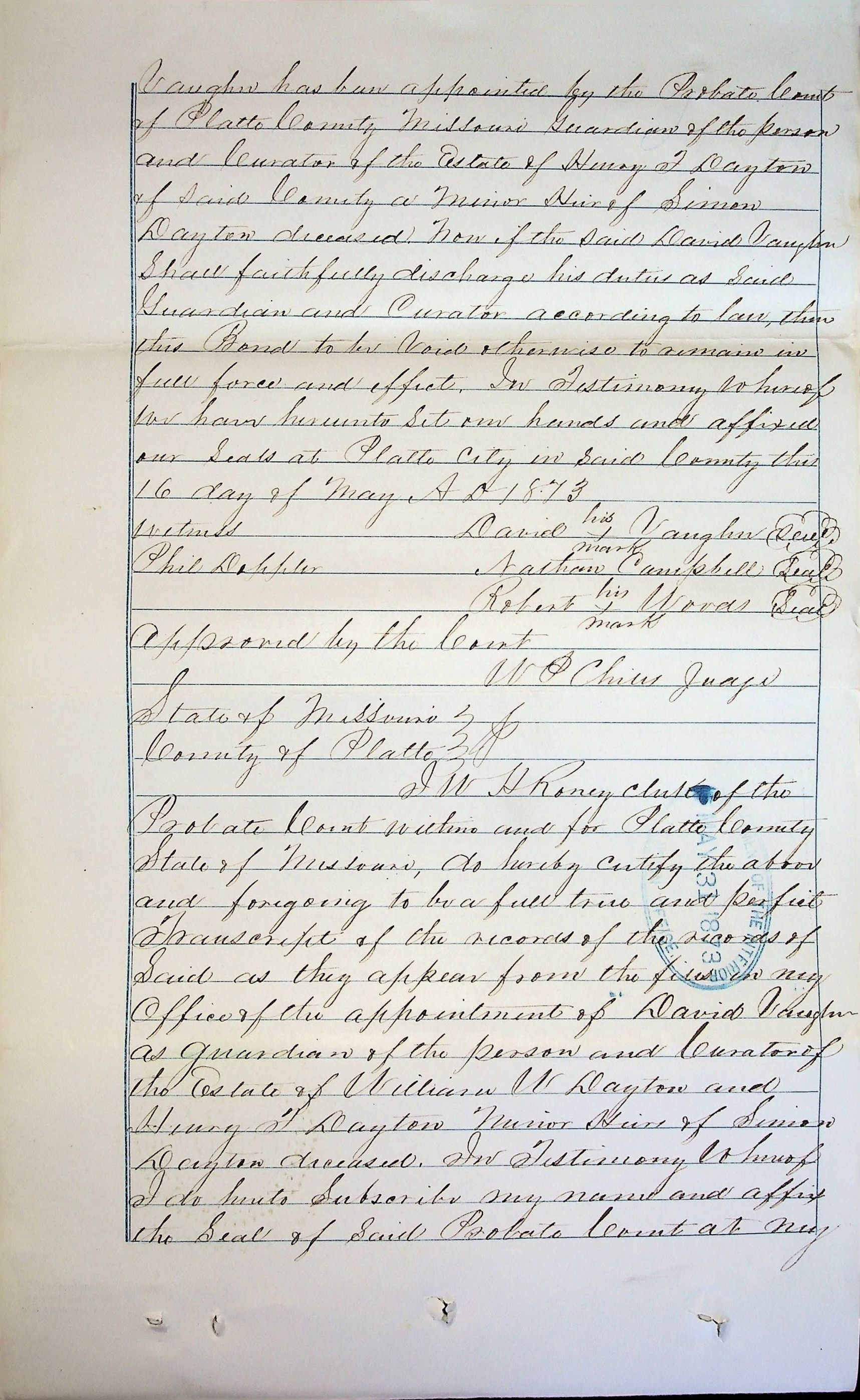
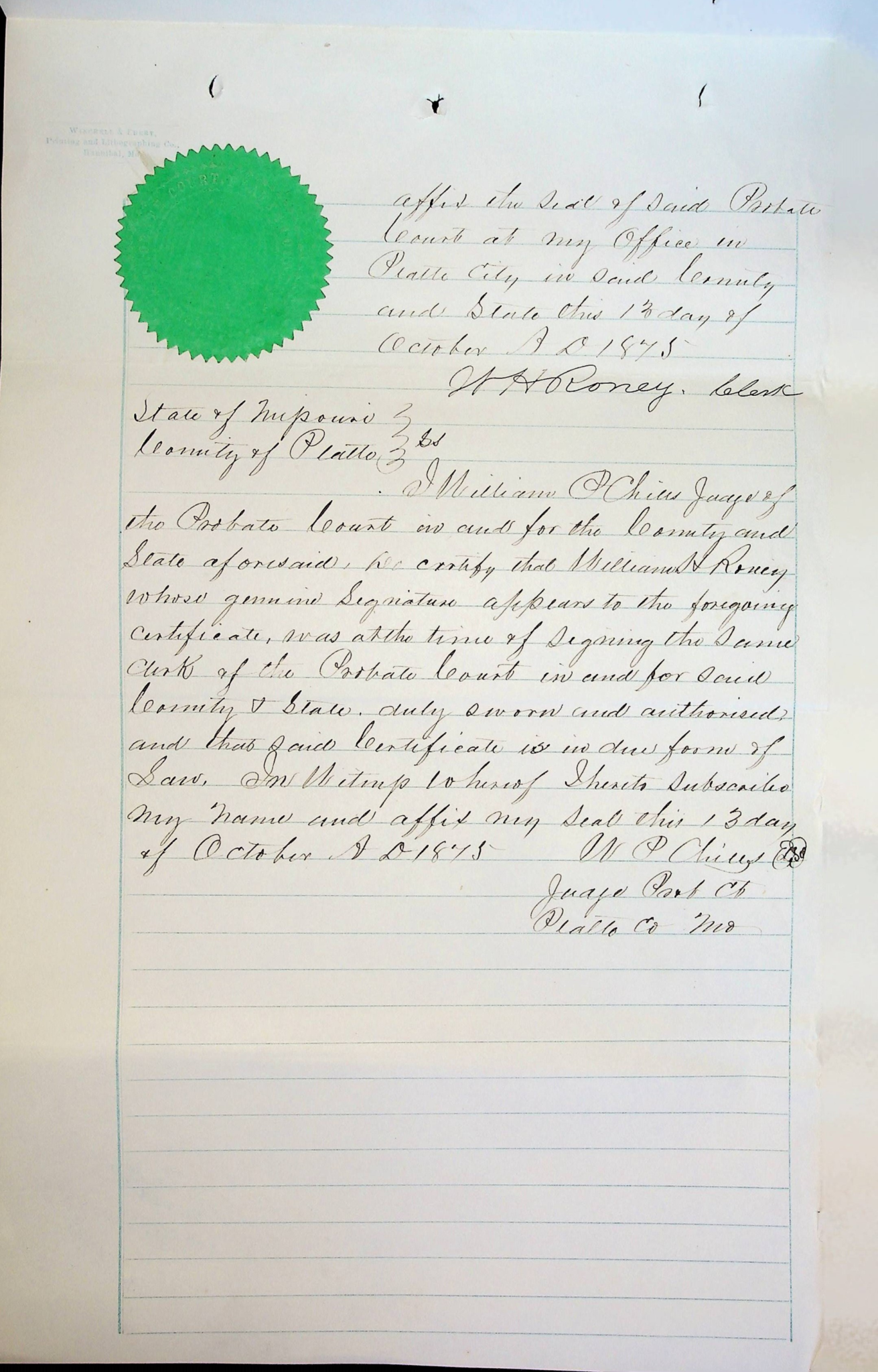
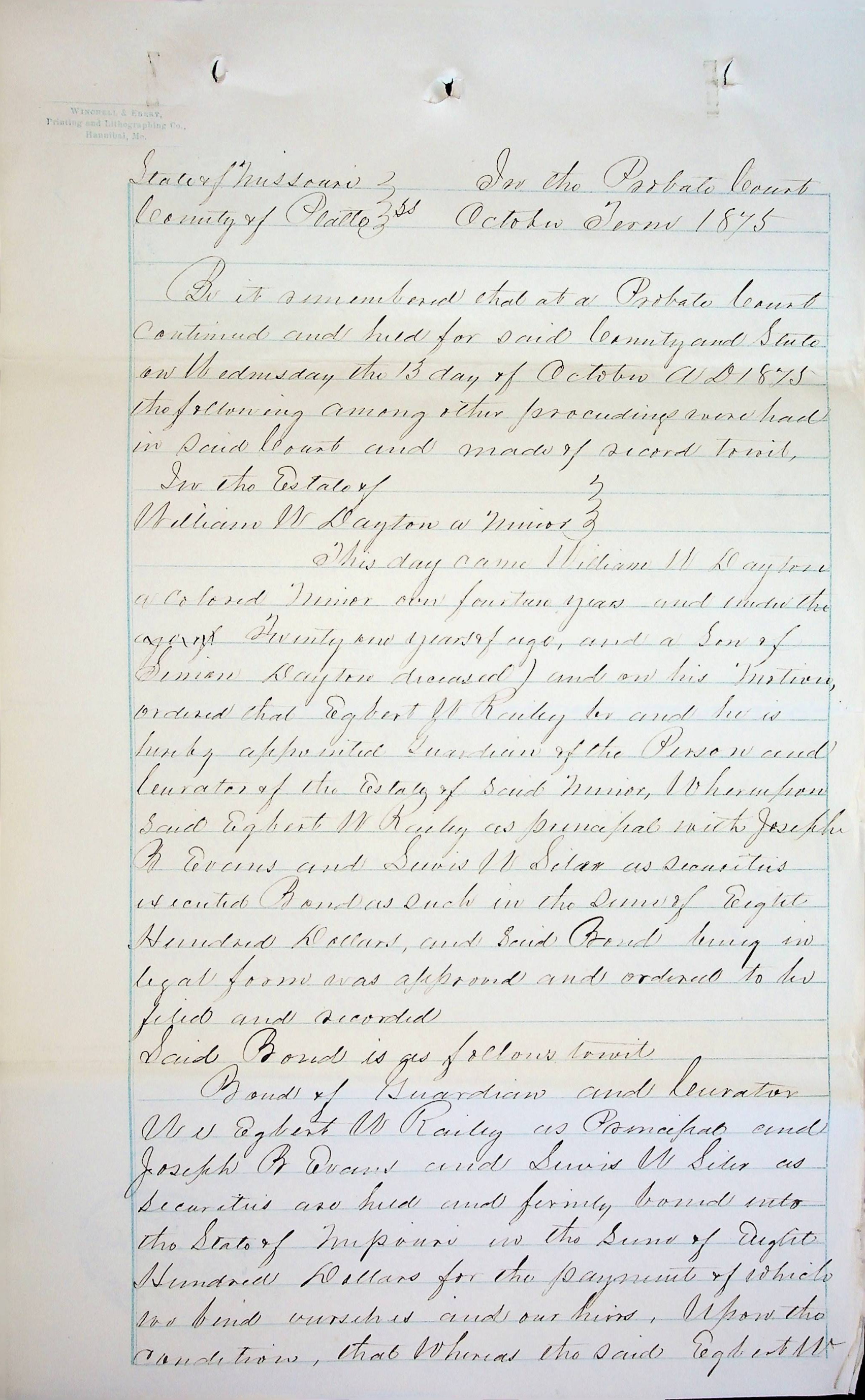
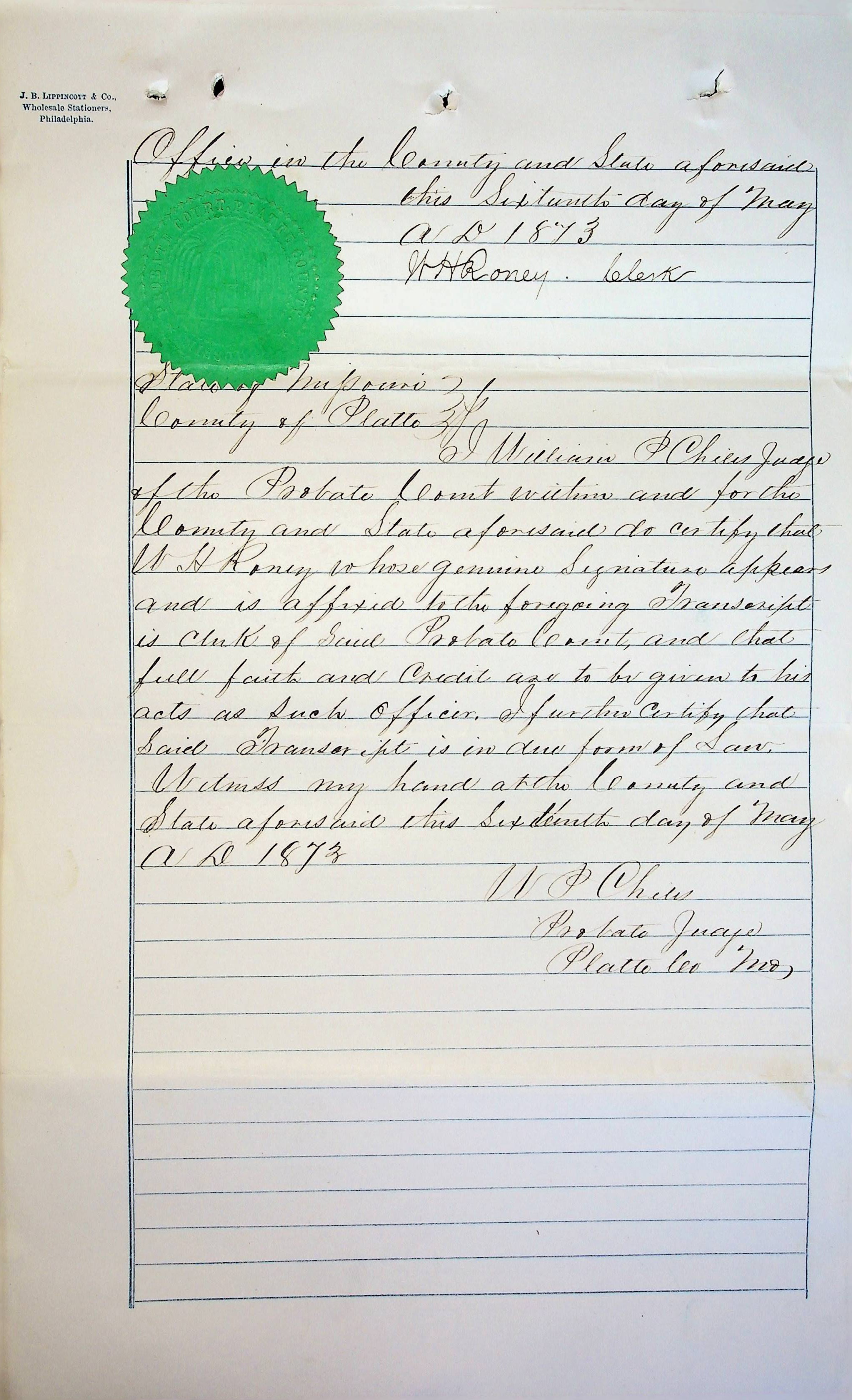
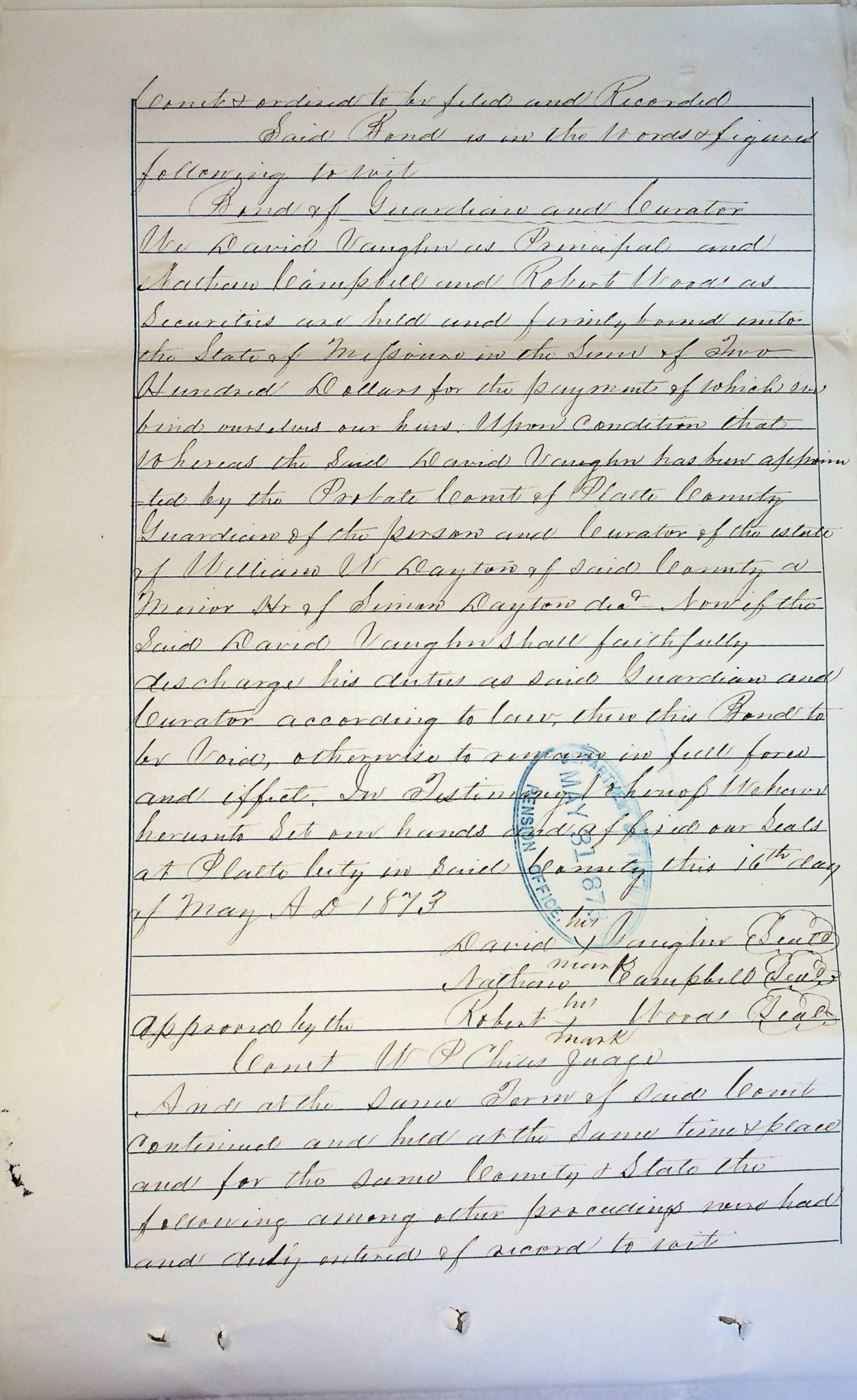
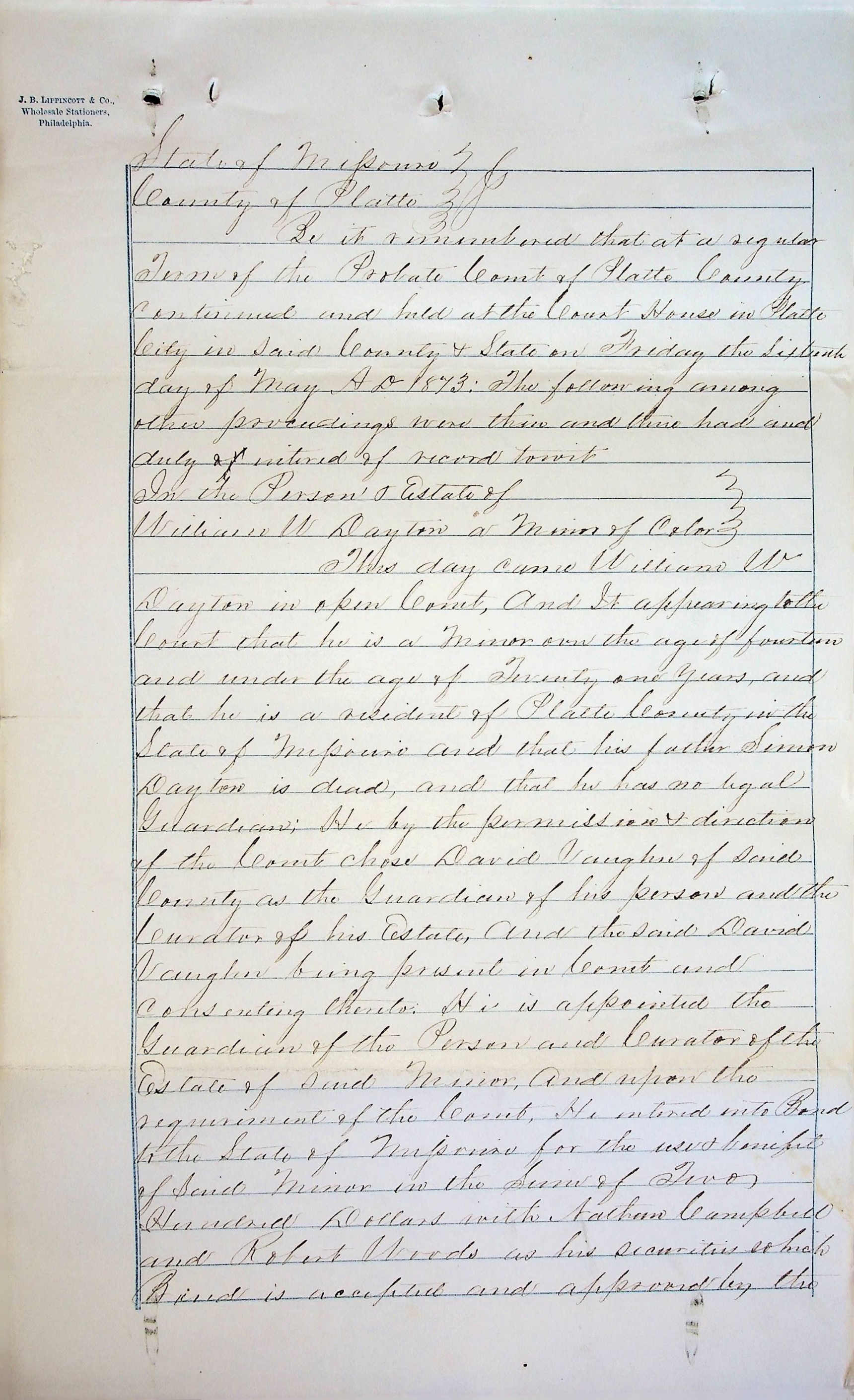
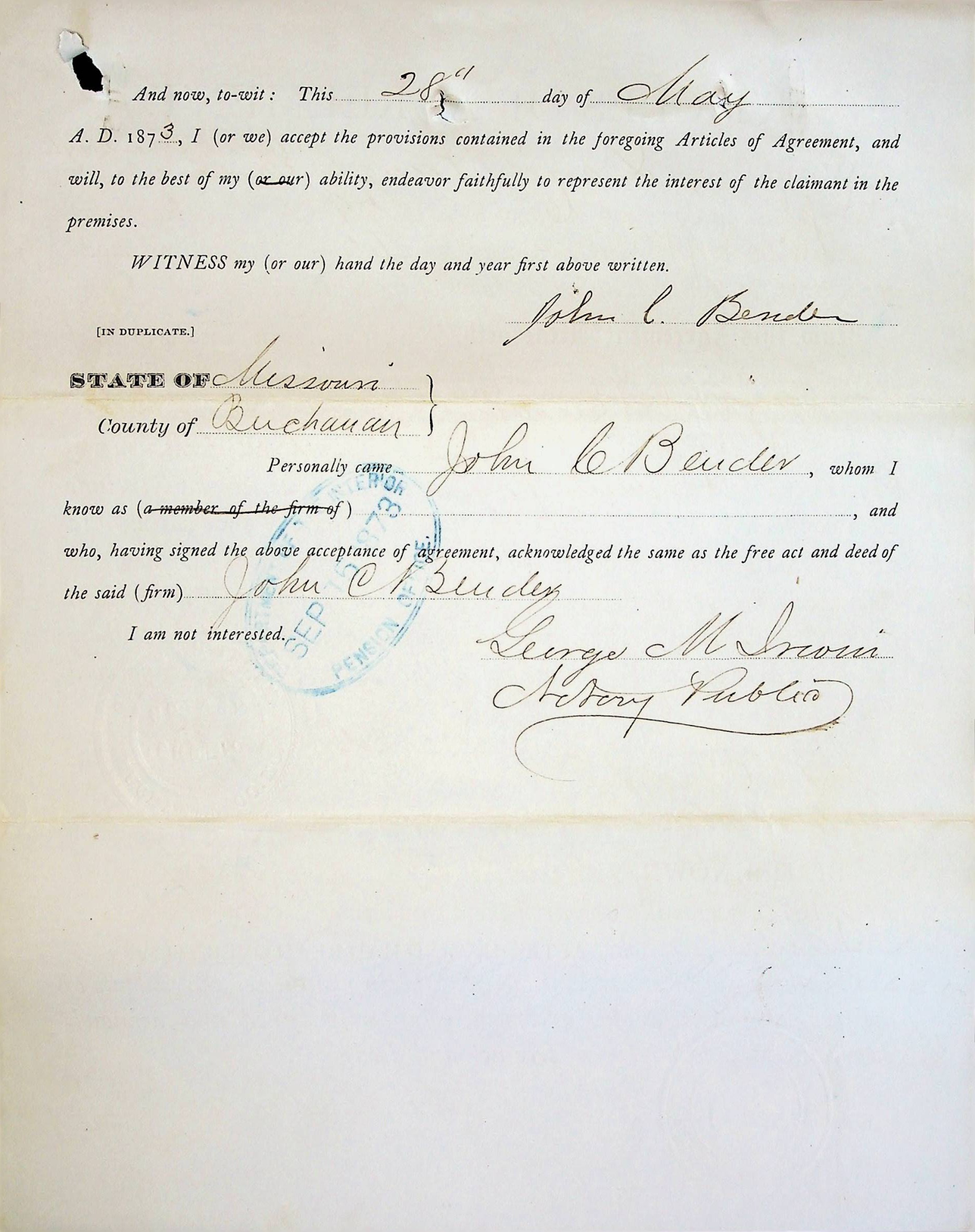
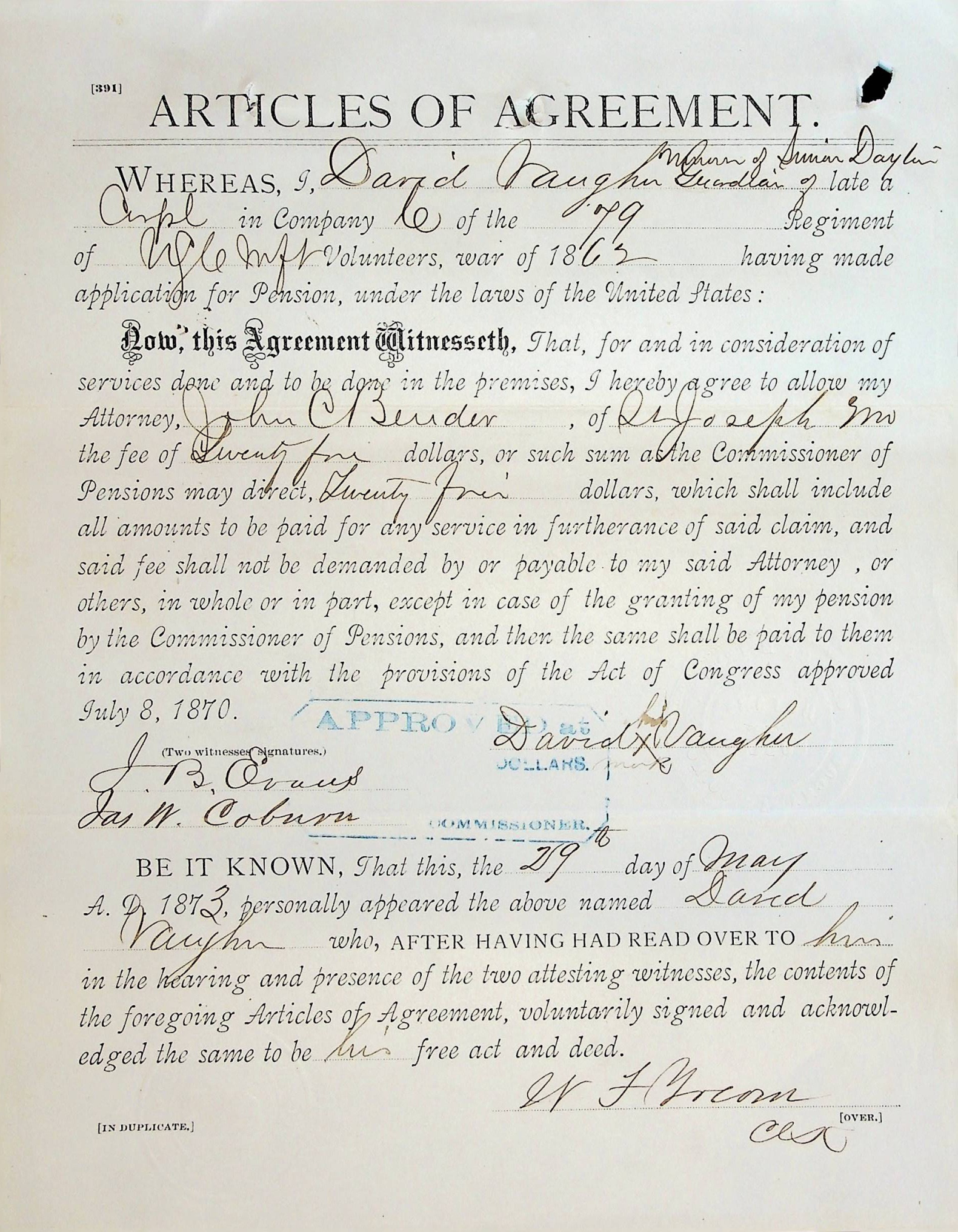
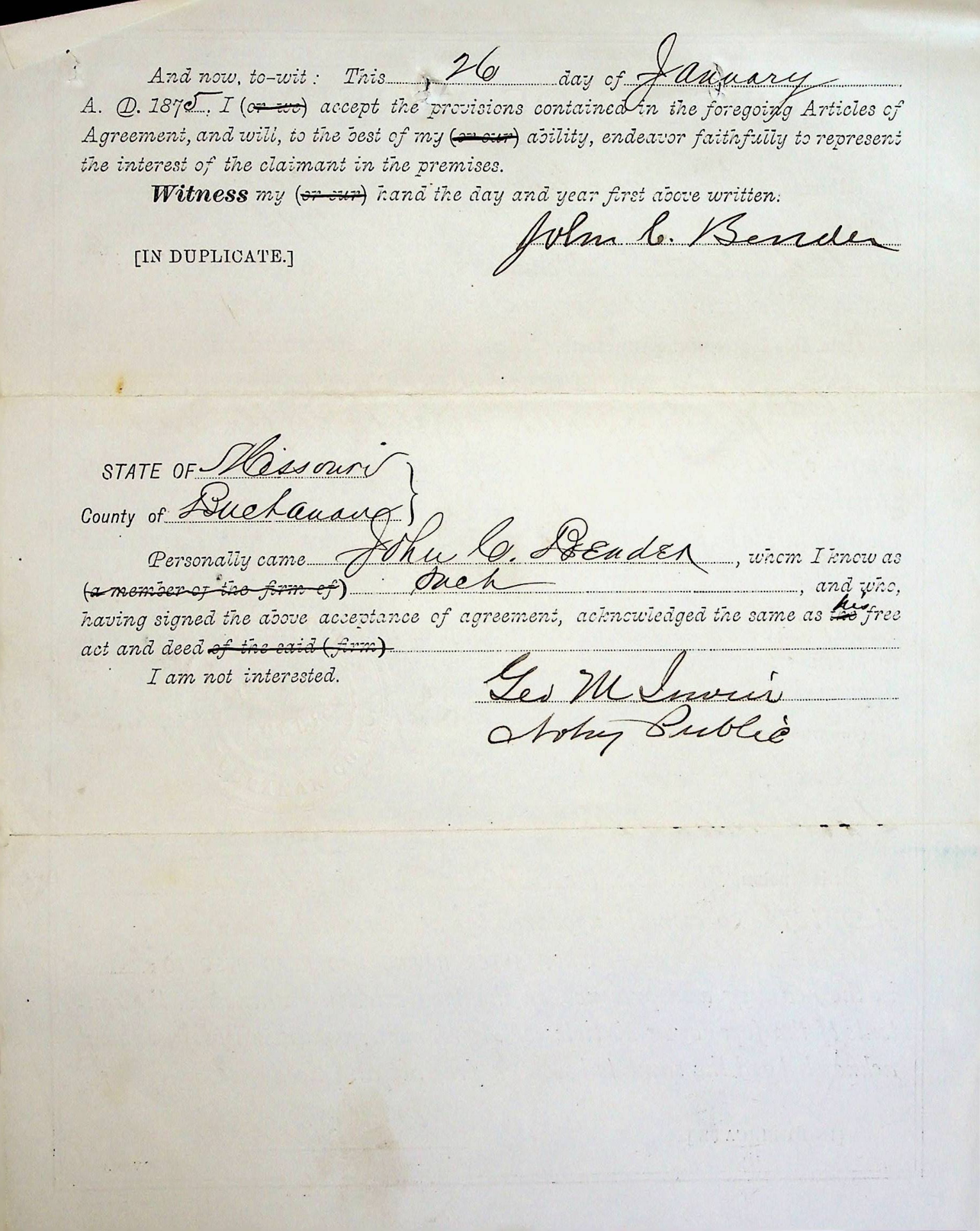
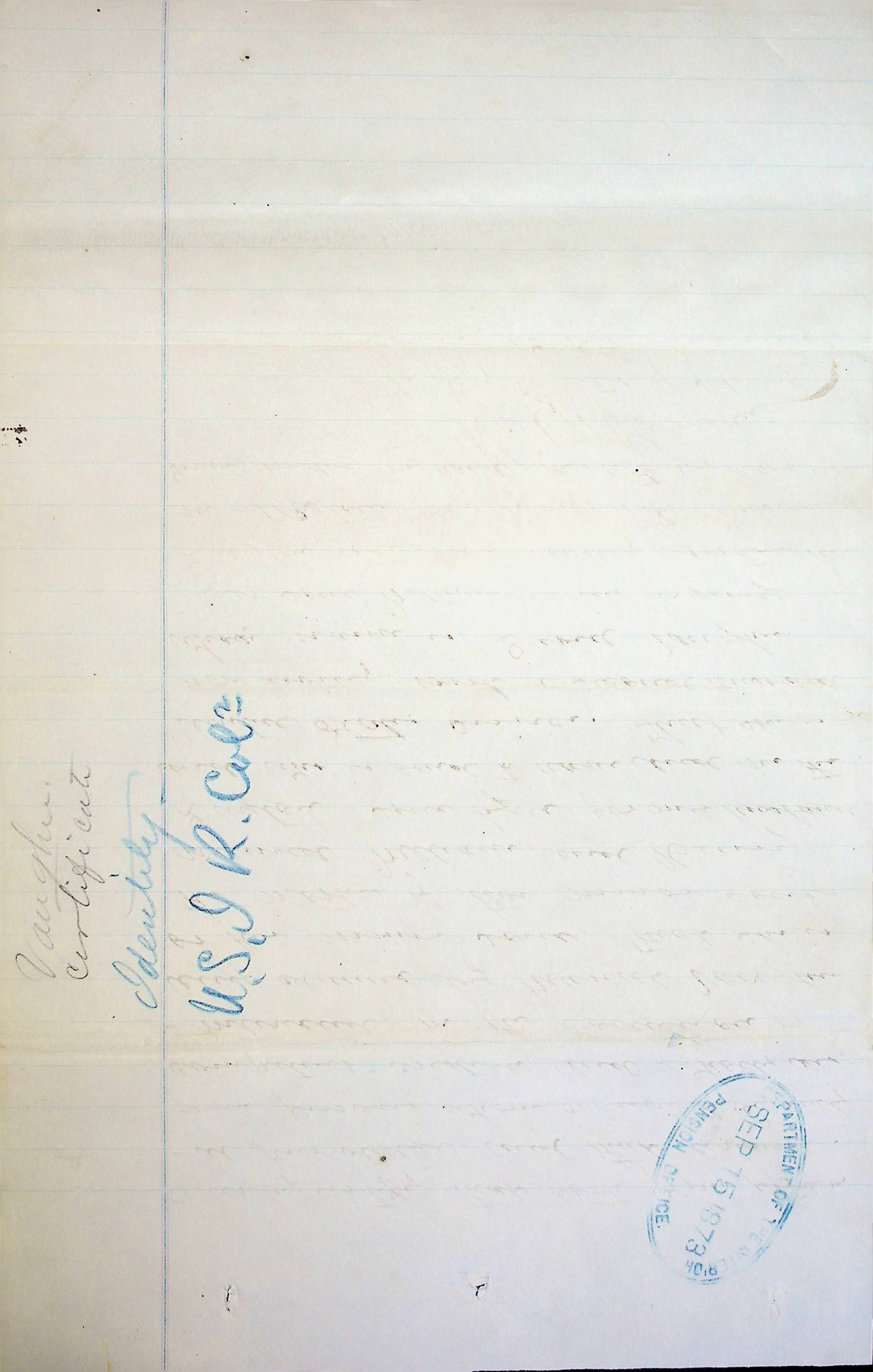
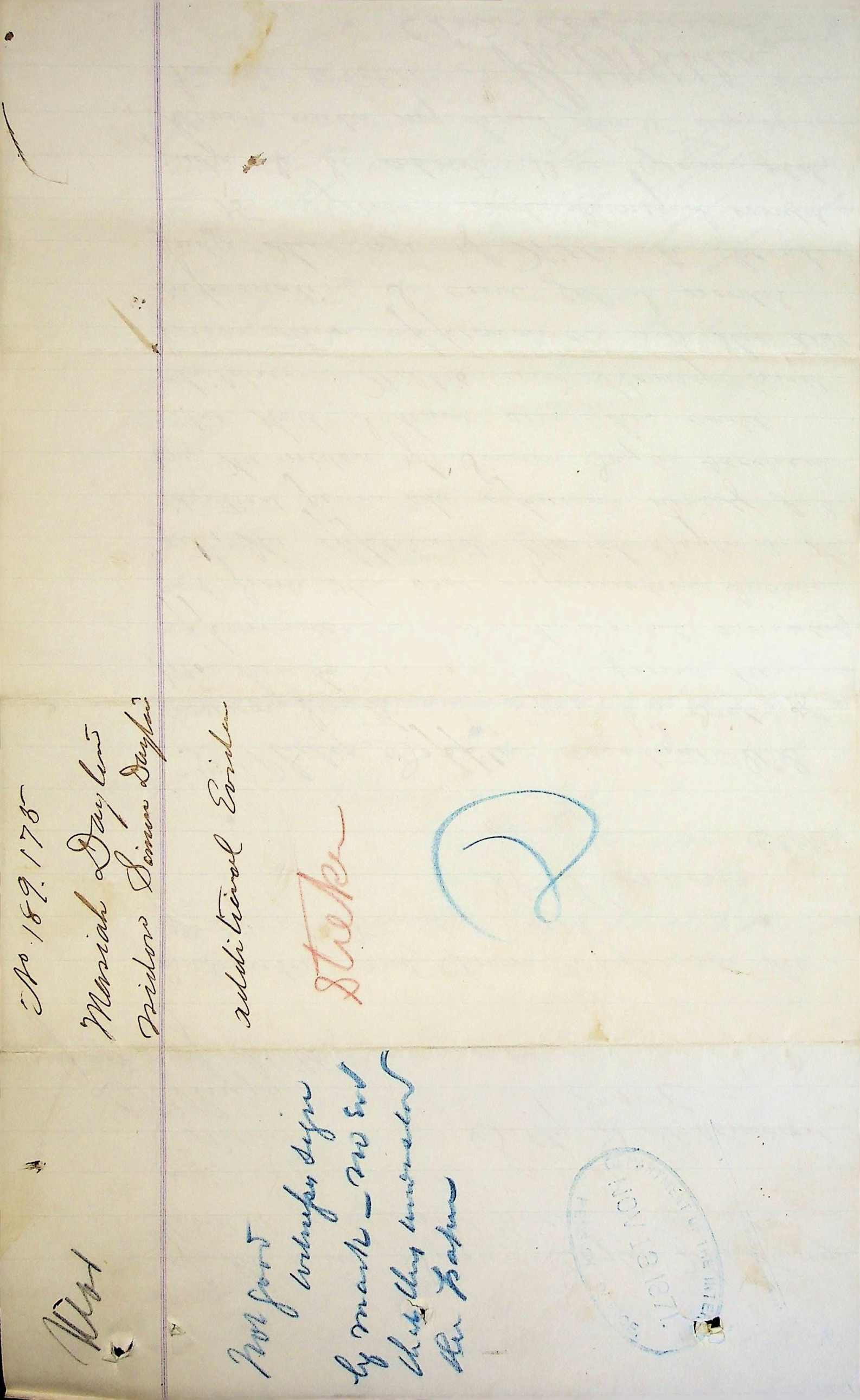
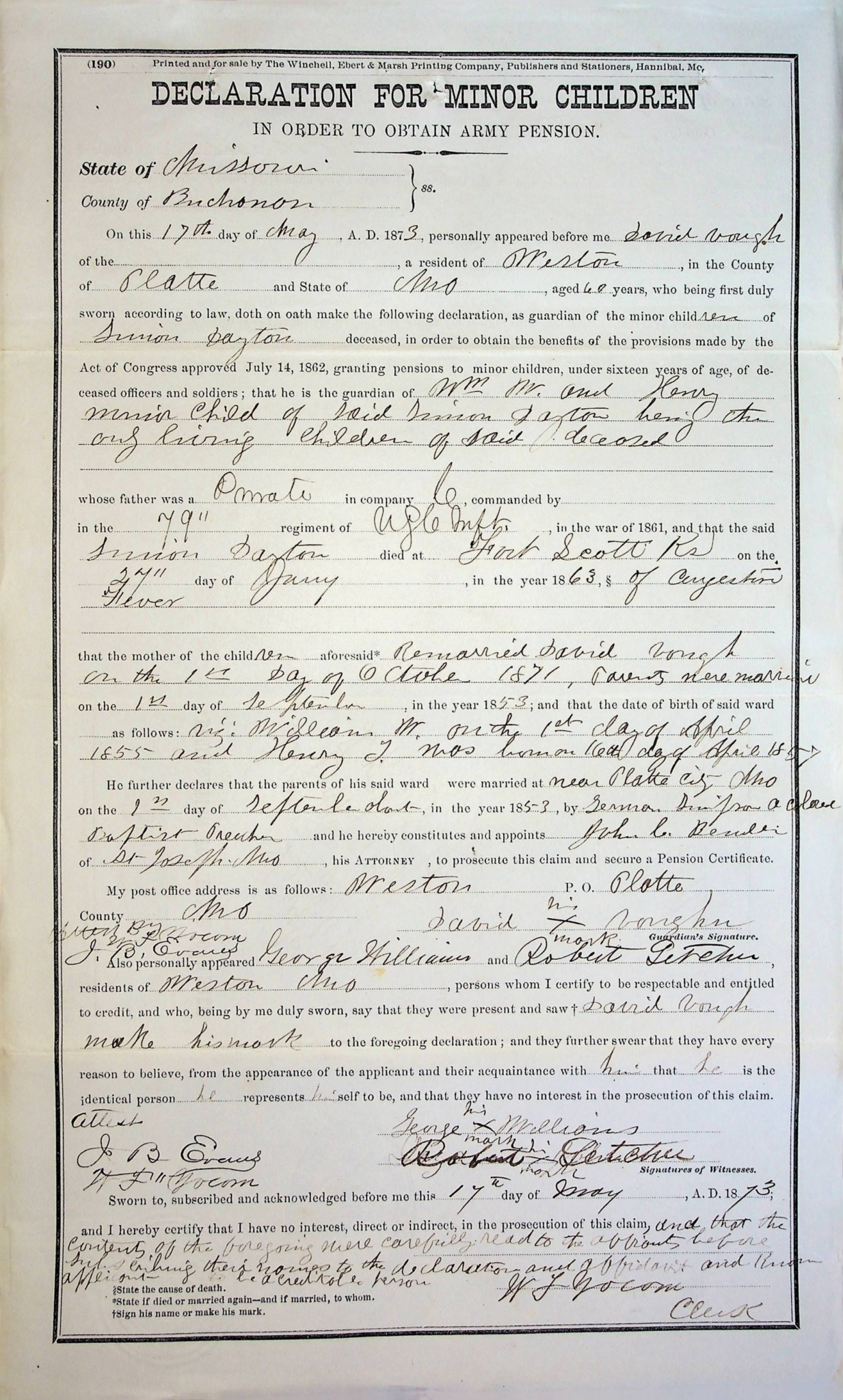
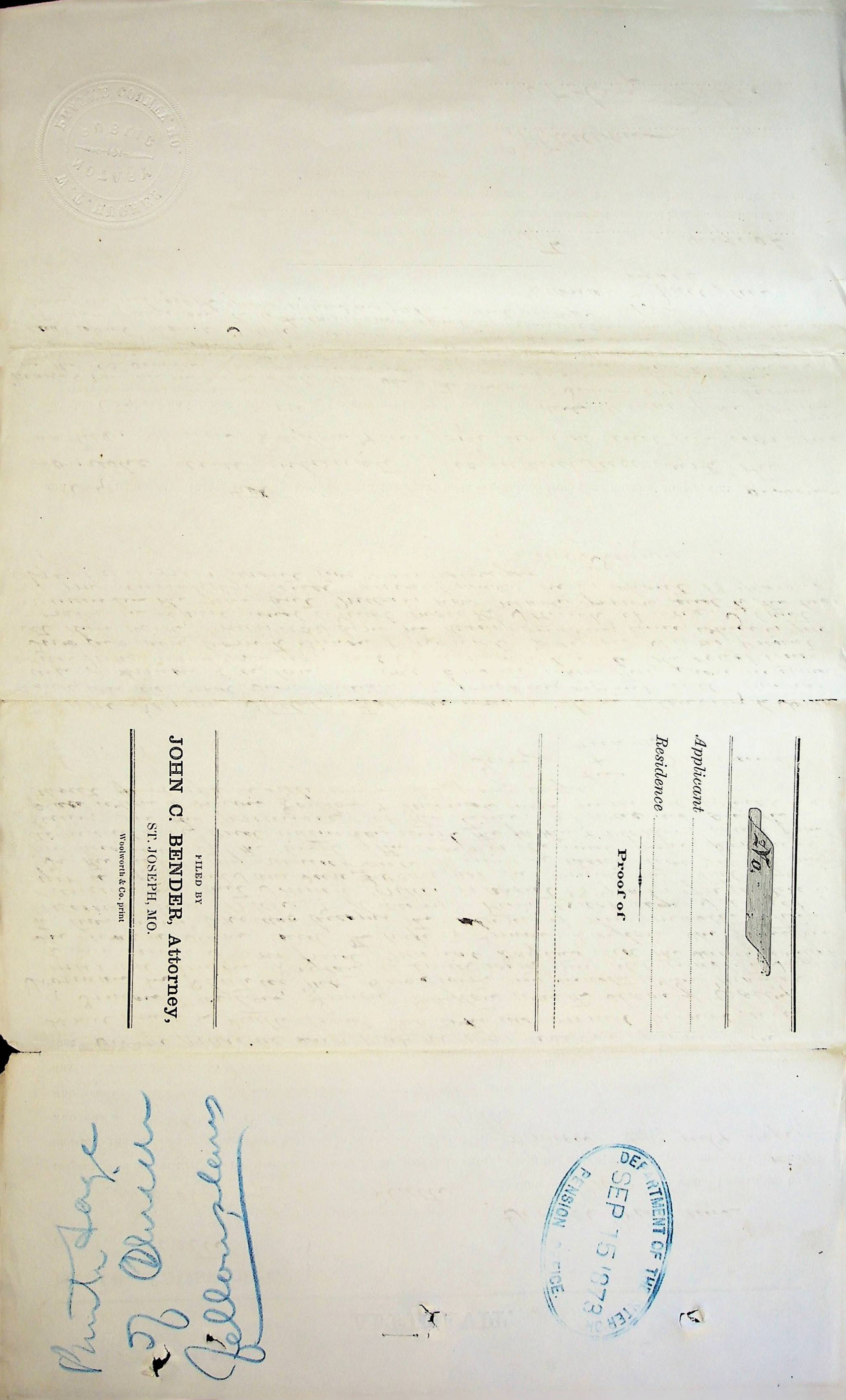
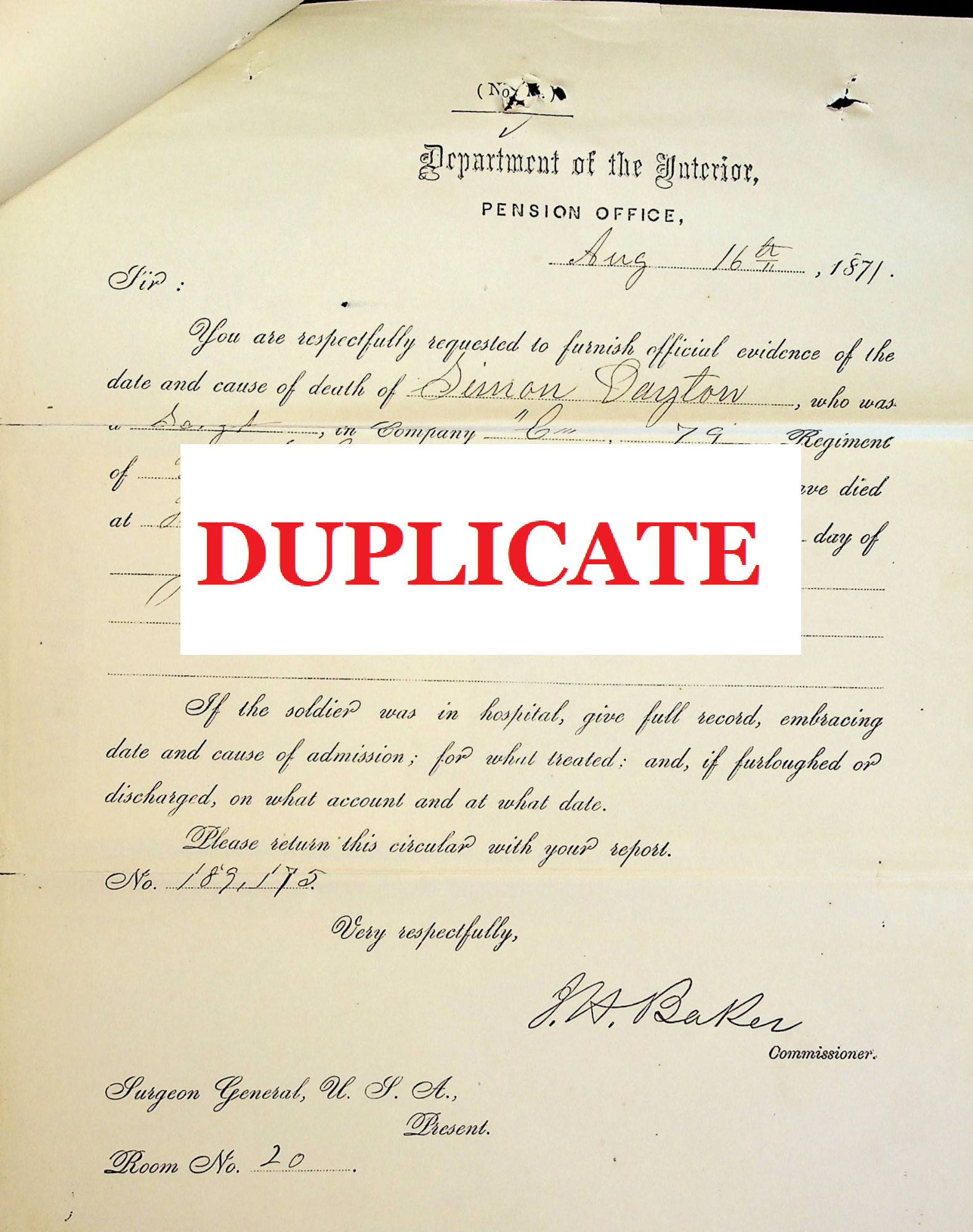
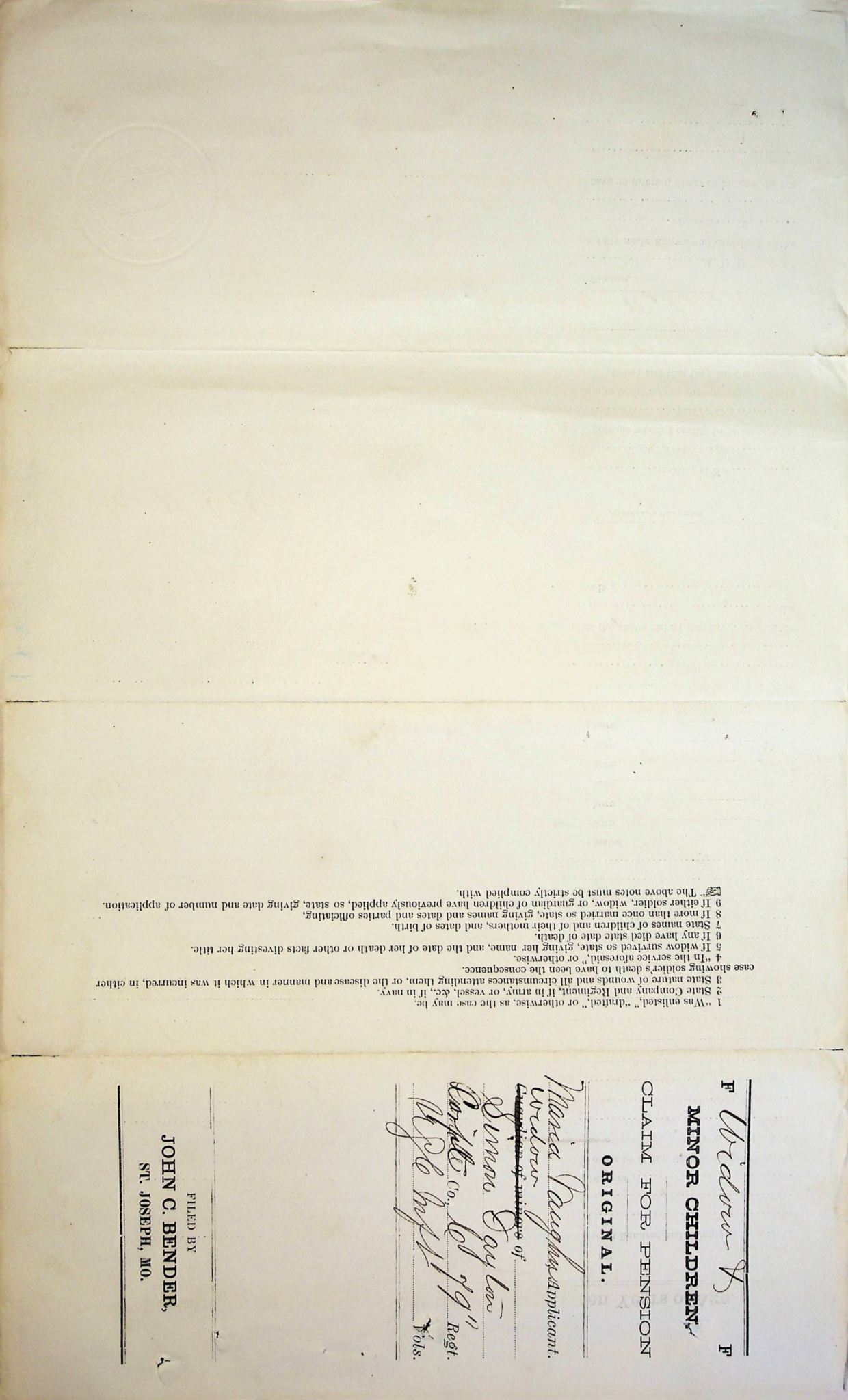
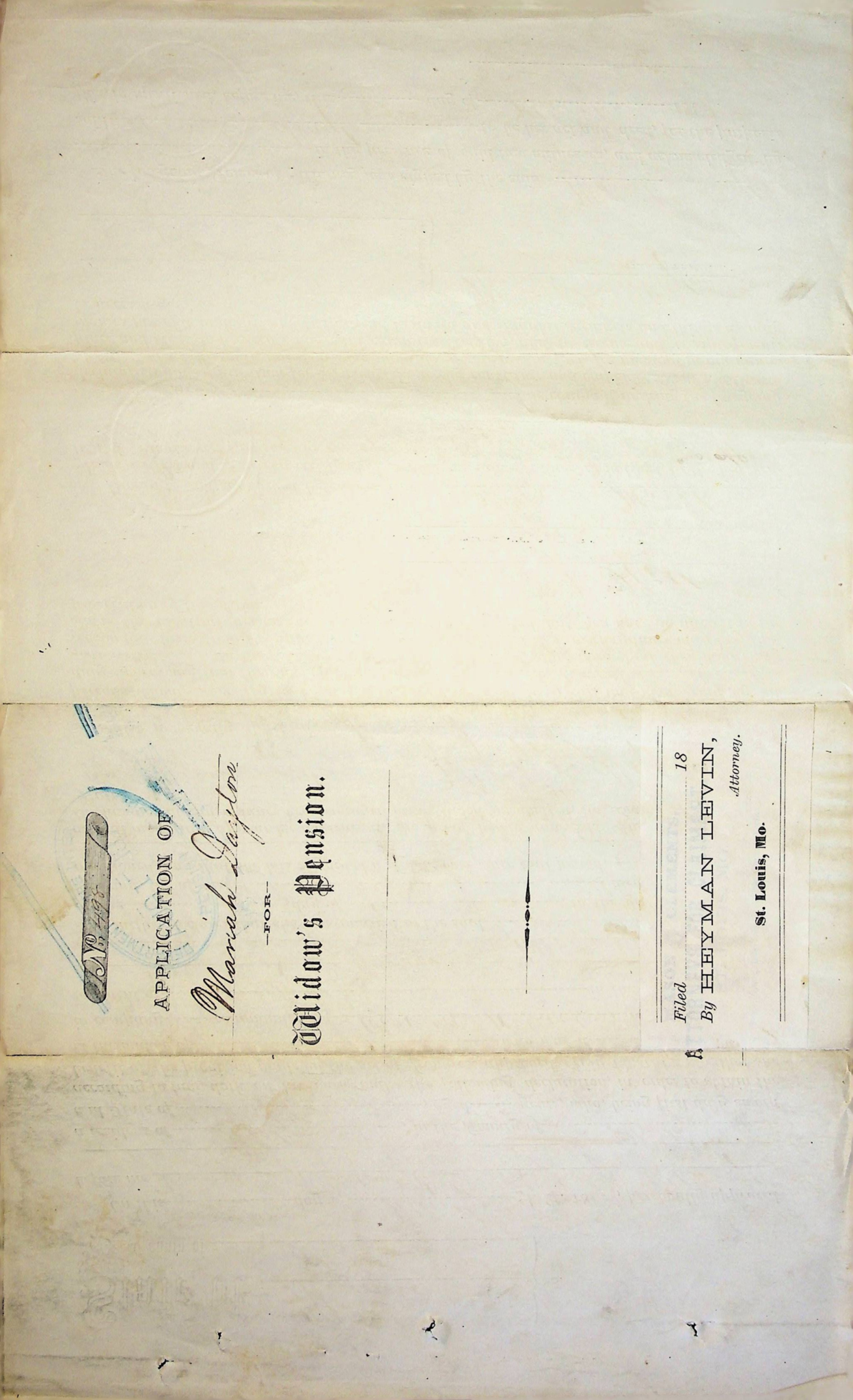
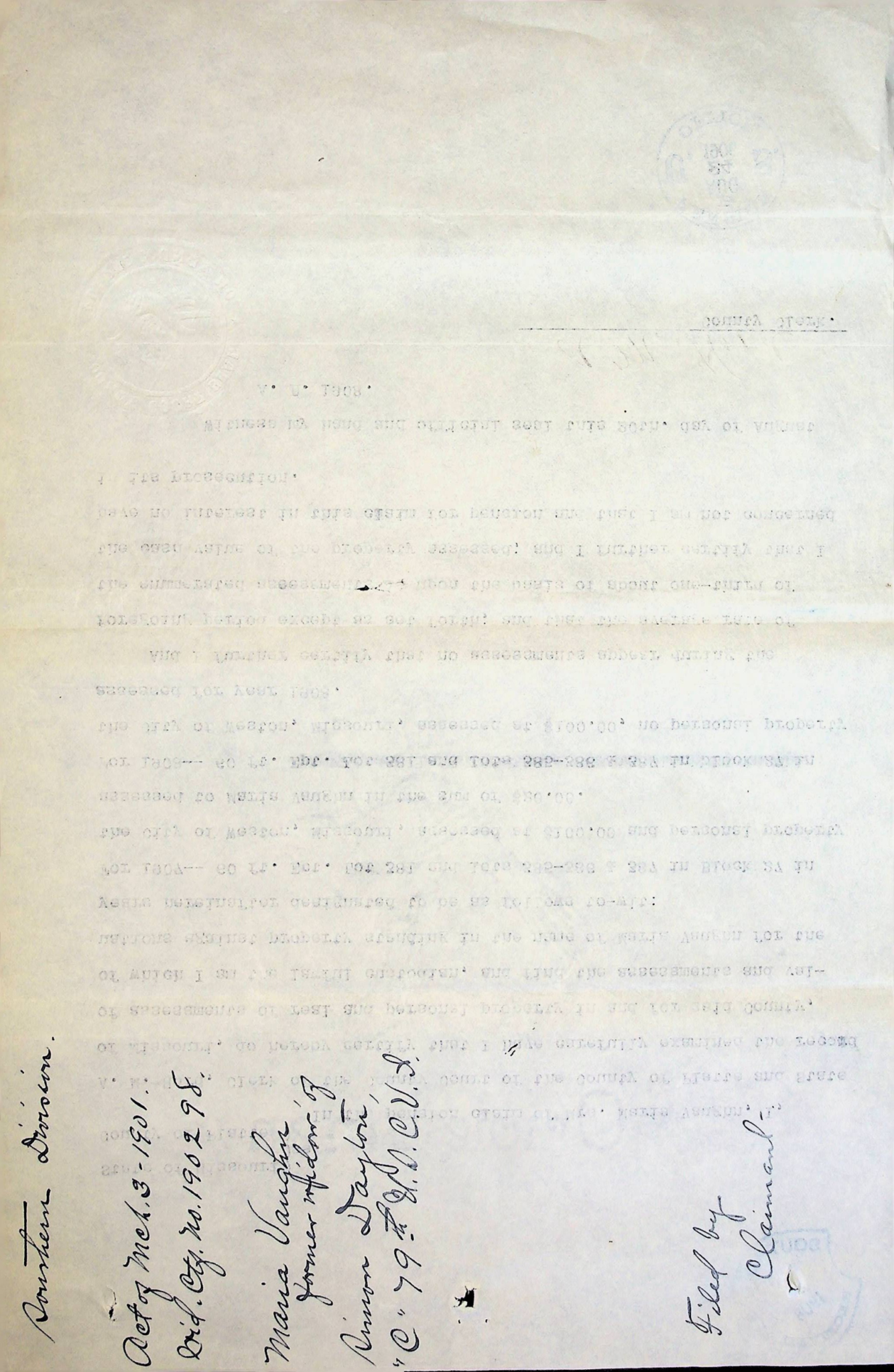
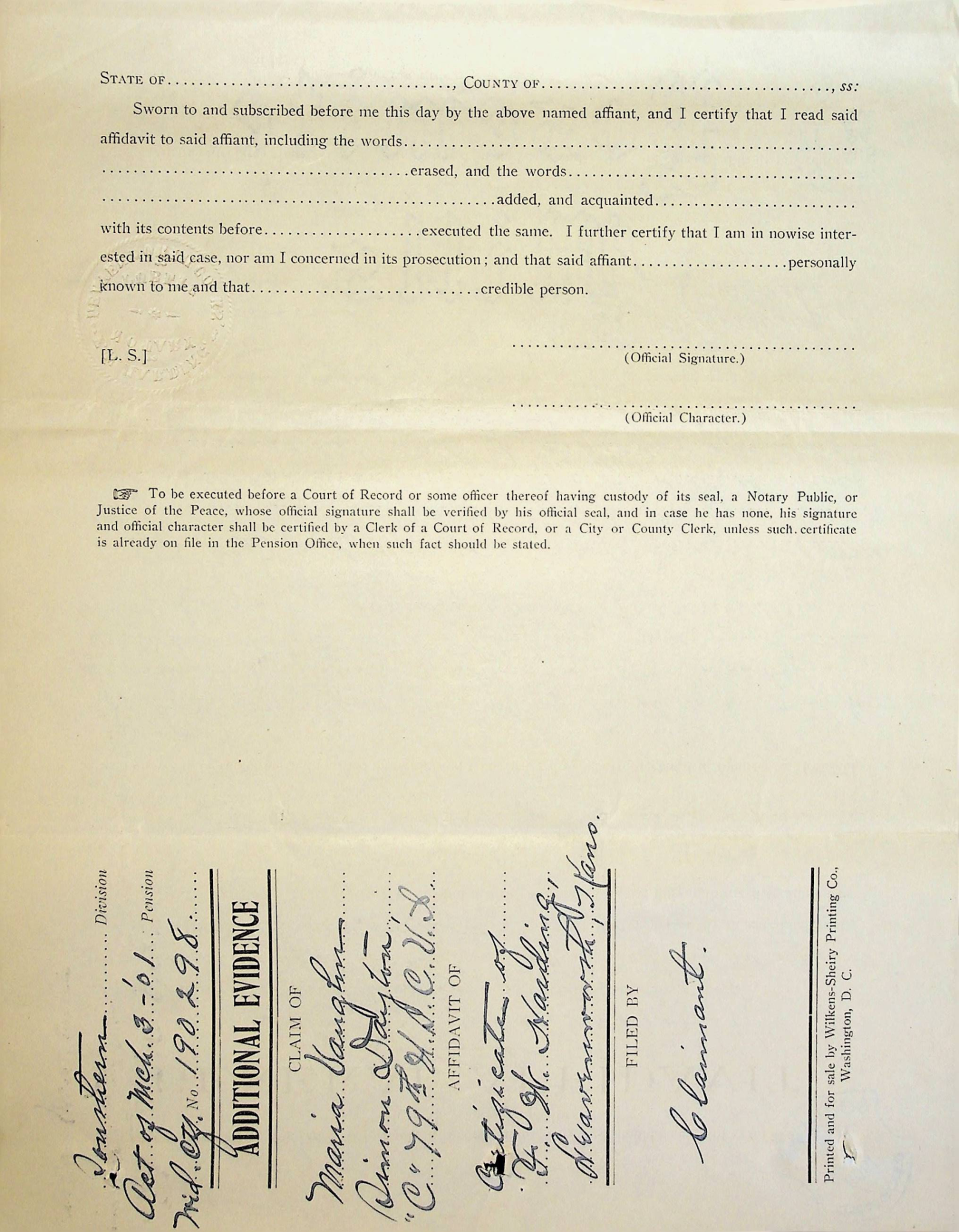
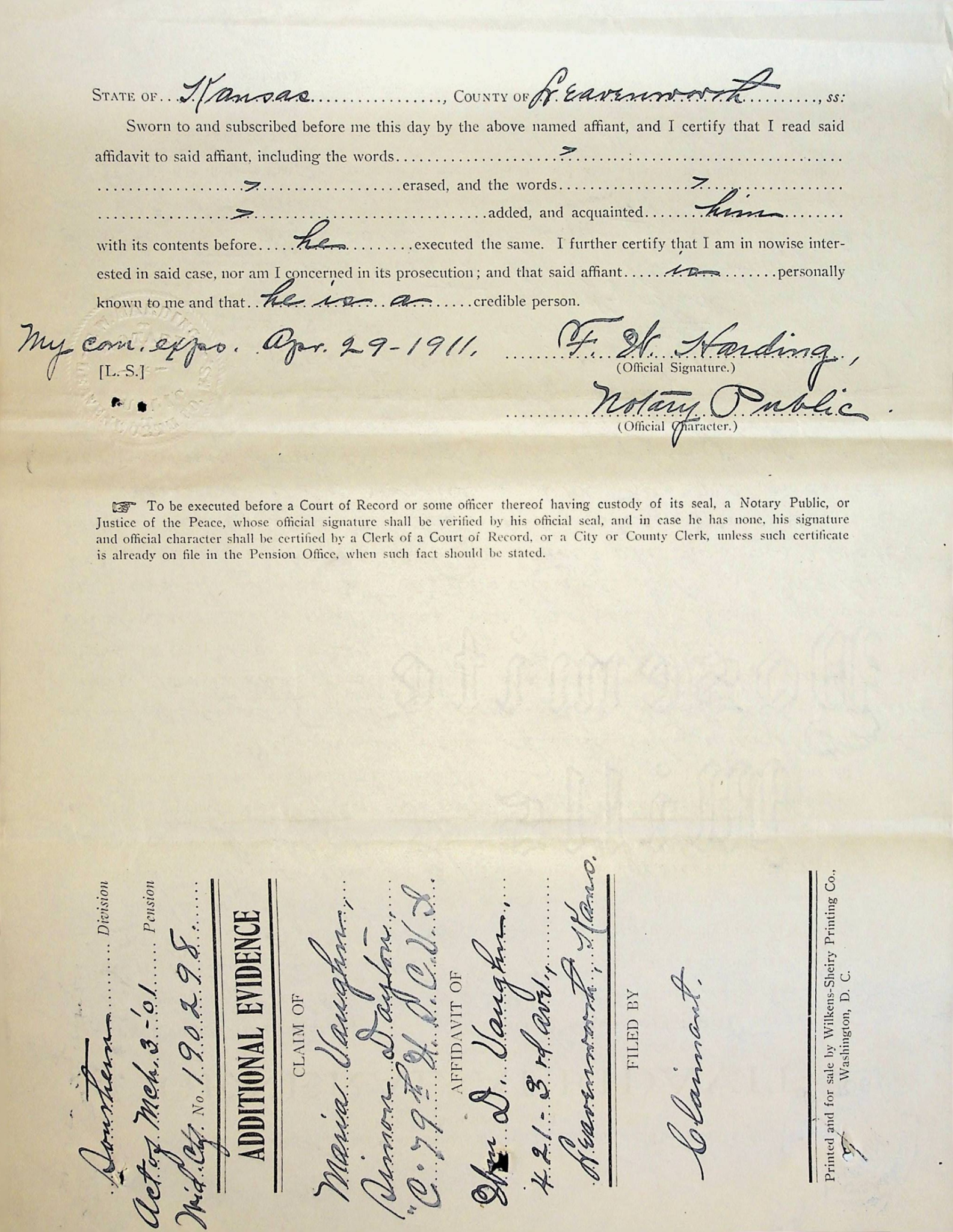
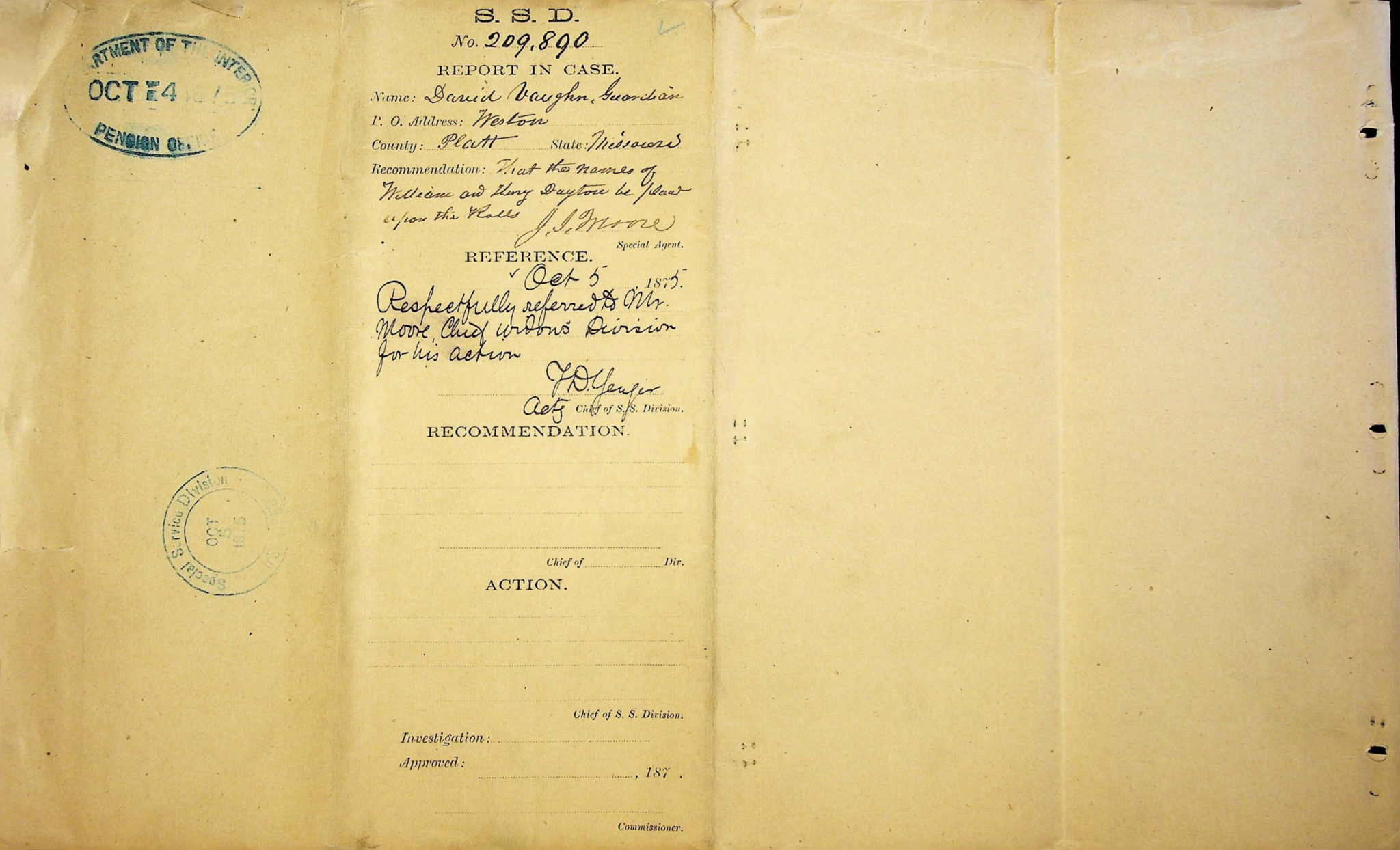
These facts I learned from actual documents. I had the great fortune of finding Mariah Dayton’s Widow’s Pension application form, which led to a treasure trove of over 125 official papers, 95 of which were from the Department of the Interior’s Pension Office. With this discovery, I discovered my nameless 3rd great-grandfather and much more about Mariah Dayton Vaughn, her siblings, and her early life in Platte County. Special thanks to genealogists Lyle Gibson, Reggie James, and notably Michelle Cook of SolusPopuli.org for securing the Simon Dayton Documents from Washington, D.C. Without their help, I’d still be trying to navigate and understand USCT Civil War enlistment and pension codes and military documents.
*Israel Link’s son Eli founded Linkville in Platte County
The Corporal Simon Dayton Documents will soon be accessible at the all-new Weston Black Heritage Archives at BaacWeston.org. Please check our website often for details.
~~~
Juneteenth Heritage Jubilee 2024
Freedom Fighters-Freedom Seekers ~ People • Places • Passageways
Saturday, 15 June, at the Weston Red Barn Farm, 16300 Wilkerson Rd. 11:00-4:00 p.m.
Colloquially known as JHJ4, the Black Ancestors Awareness Campaign and the Weston Chamber of Commerce joined forces again to produce Weston’s fourth-annual Juneteenth celebration. The popular commemoration has been extended to 11:00-1:00 p.m., followed by family fun entertainment and activities until 4:00 p.m.
JHJ4’s storytelling presentations include historical Freedom Fighters: John McCurdy and Rev. Frederick Starr, Freedom Seeker Performance Narratives: “A Letter to My Former Enslaver, Narrative of an Enslaved Woman; People: Anti-Lynching Crusader, Ida B. Wells, Music: Negro Spirituals, Strange Fruit; History: A look into the 1850’s Fugitive Slave Act, Histories of the Weston Red Barn Farmland, America’s Original Peoples, Passageways: the Halfway House Cellar, Entertainment: African Drummers and Dancers, Beatboxing and more!
And that’s just the JHJ4 commemoration. What’s a celebration without food? The Weston Rotary Club will provide a delicious BBQ luncheon —Free While Supplies Last! There will be a live jazz concert from 1:30 until 3:30, and the Weston Stagecoach Company will offer free rides at 15-minute intervals between 1:30 and 3:30, to the Halfway House Cellar with John Floersch’s descendants acting as Docents. If you missed an opportunity to see the Weston’s Black Heritage beautifully designed Banner Series, then you’re in luck; all seventeen banners will be on display, and it's not too late to sponsor one or more of them! Visit BaacWeston.org to learn how. There will be shopping at various festival booths and the Weston Red Barn Country Store. And don’t forget to visit the farm animals and roam the rolling pastures and orchards.
The Black Ancestors Awareness Campaign, a standing committee of the Weston Historical Museum, is a nonprofit organization run entirely by volunteers; every dollar raised goes directly toward our educational programs, research, Weston Black Archives, Museum Without Walls initiatives, and more. We’d like to thank our sponsors and partners for helping us curate Weston’s fourth annual Juneteenth Heritage Jubilee: Missouri Tourism, The Weston Red Barn Farm, Missouri Arts Council, Weston Chamber of Commerce, Weston Stagecoach Company, Weston United Methodist Church, Holladay Distillery, Catha Hall, The City of Weston, The Friends of Weston, The Dible Foundation, and our many valiant volunteers and supporters. We look forward to a stellar Juneteenth Heritage Jubilee and seeing you all at Weston Red Barn Farm on Saturday, June 15, at 11:00 a.m.!