Halfway House
Cellar Project
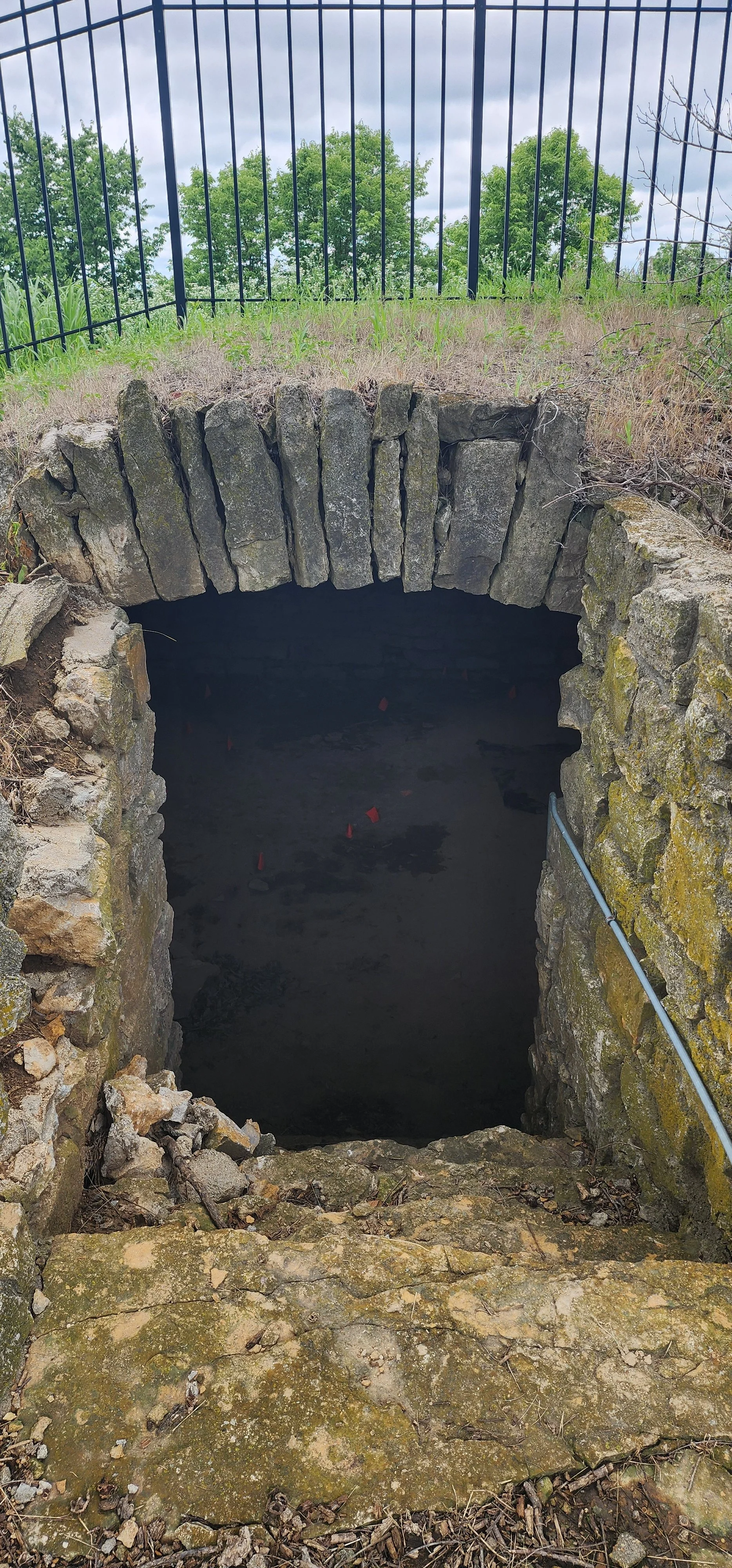
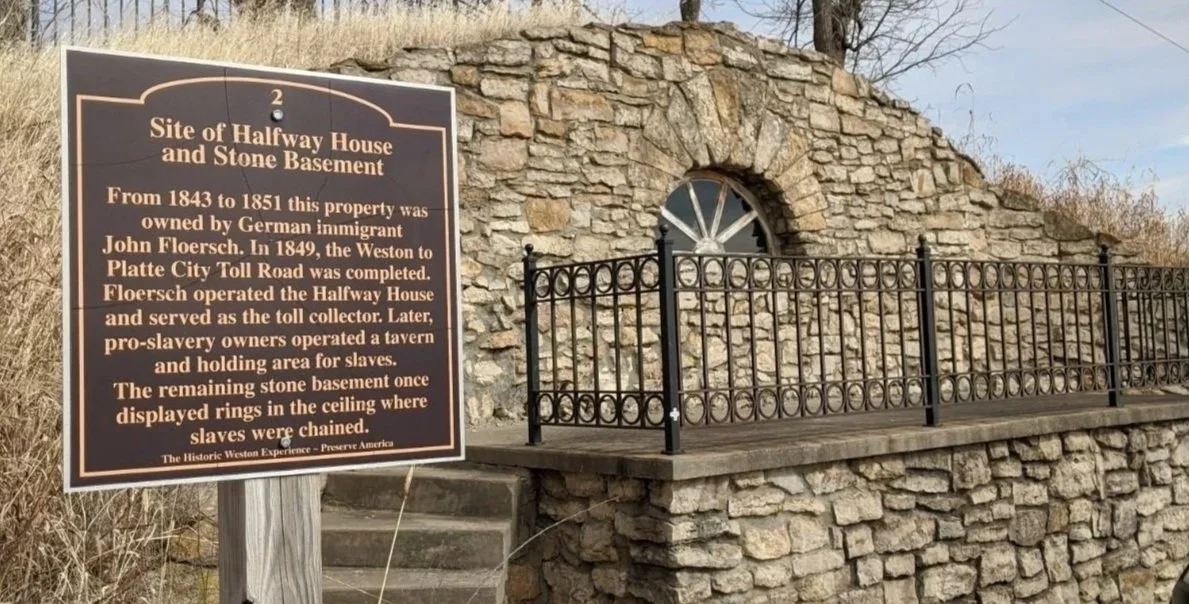
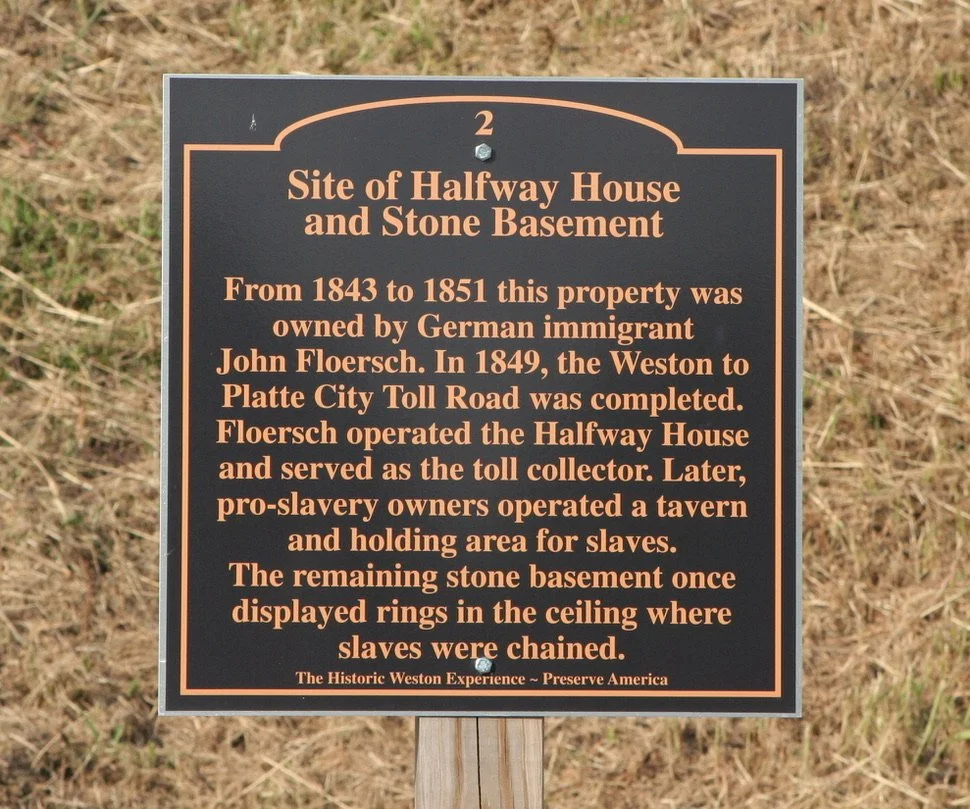
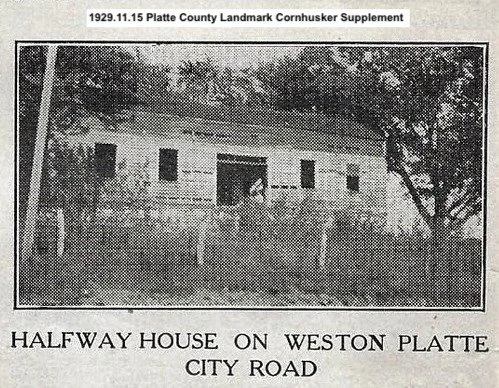
The Halfway House Project in Platte County, Missouri is a historical preservation and public awareness effort centered on the remains of the 1840s Halfway House and its stone basement dungeon, located between Weston and Platte City. The site was originally part of a 160-acre farm owned by German immigrant Johann (John) Floersch, who arrived in the region in the early 1840s after leaving Louisiana due to conflicts with pro-slavery neighbors.
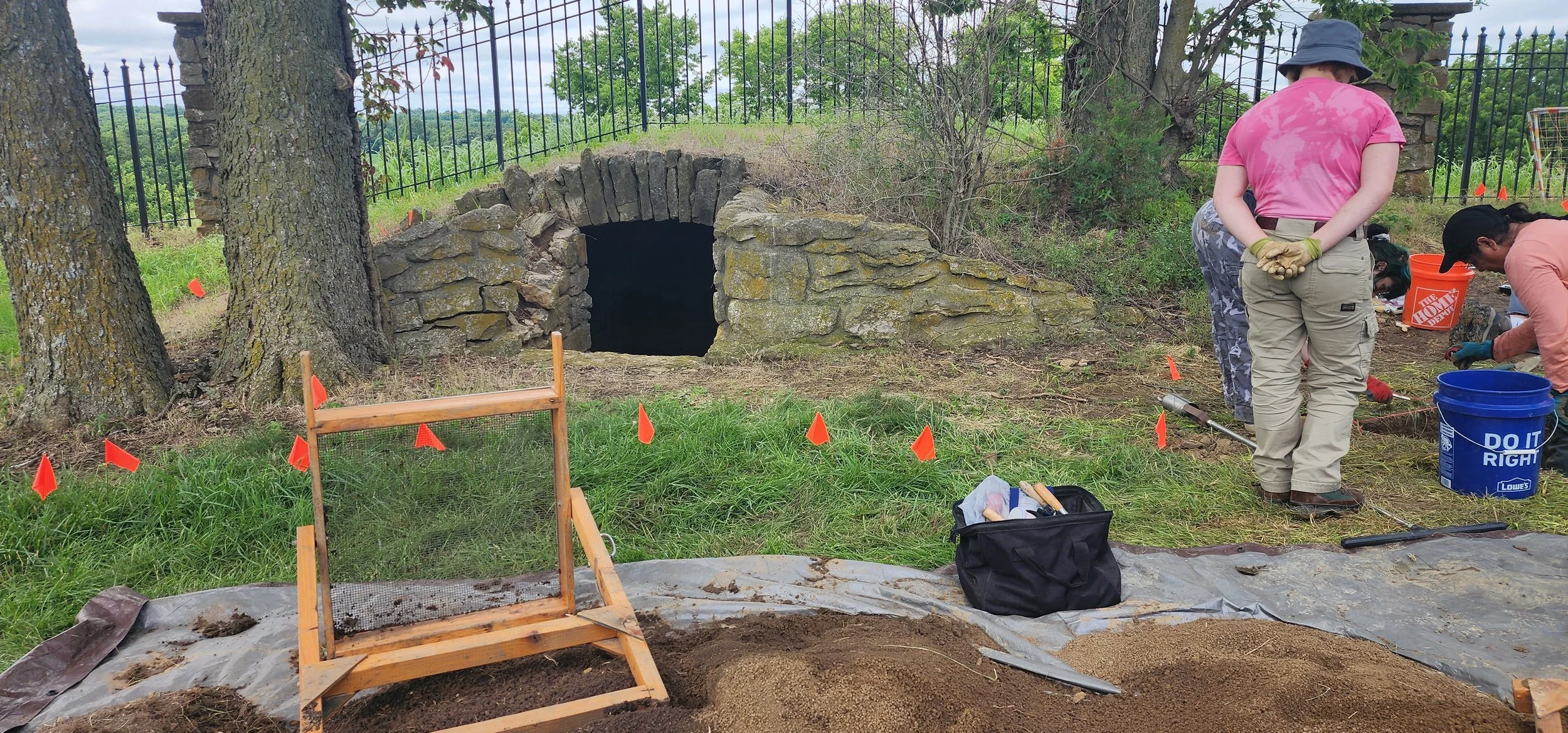
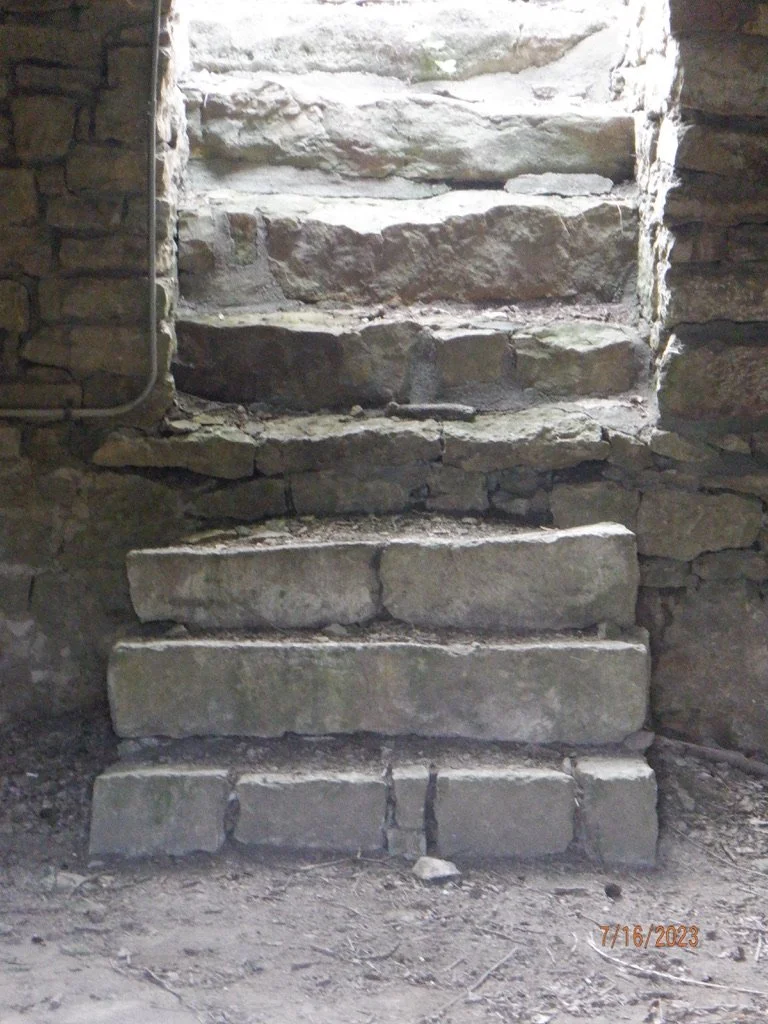
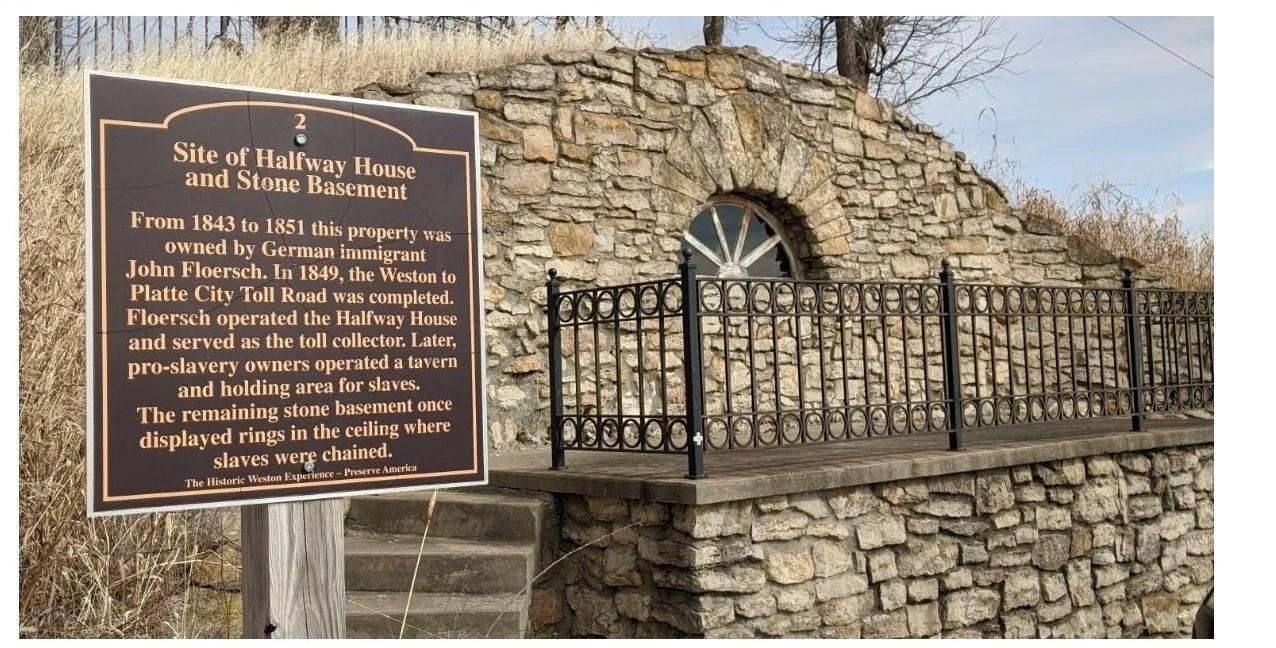
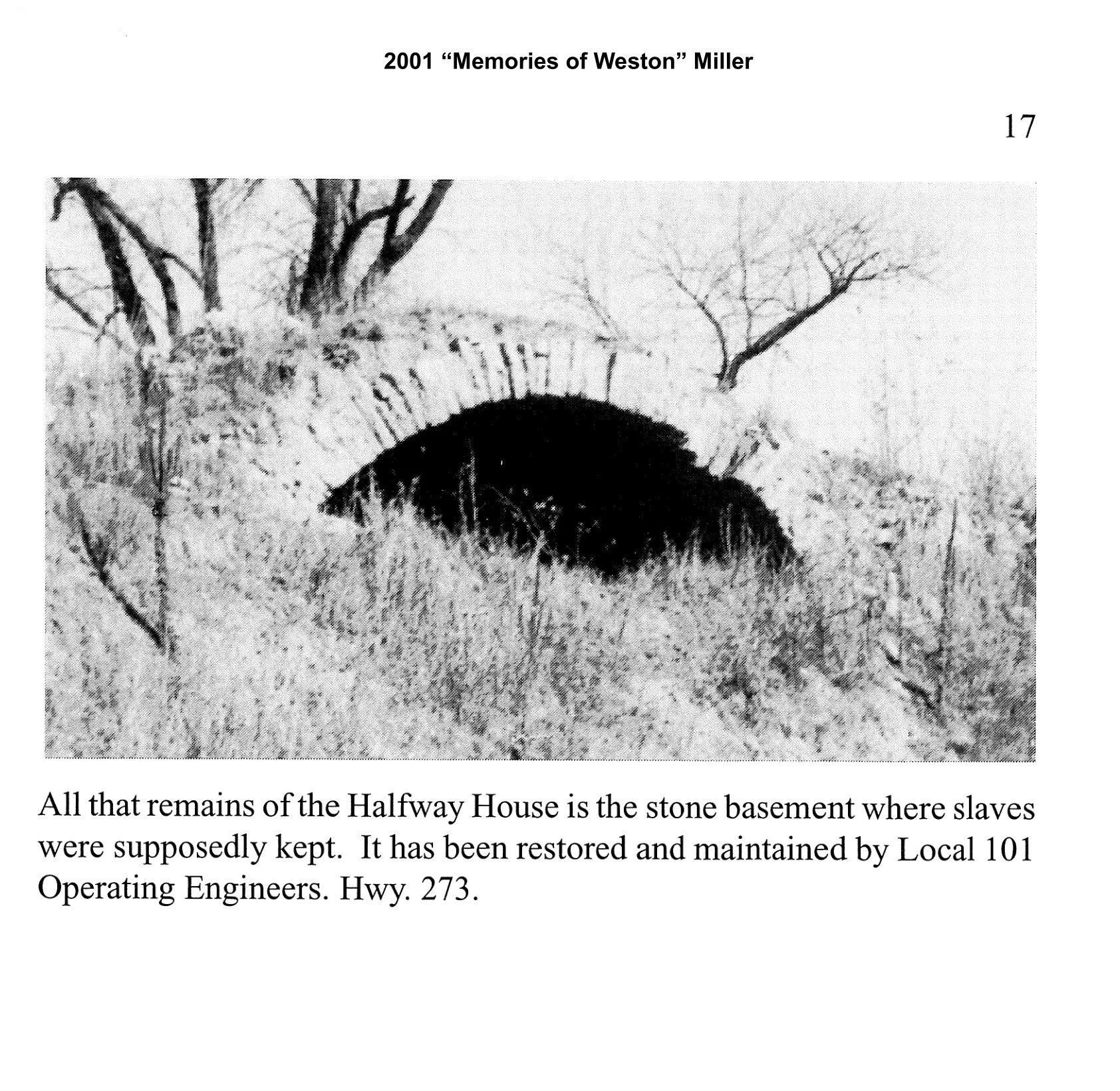
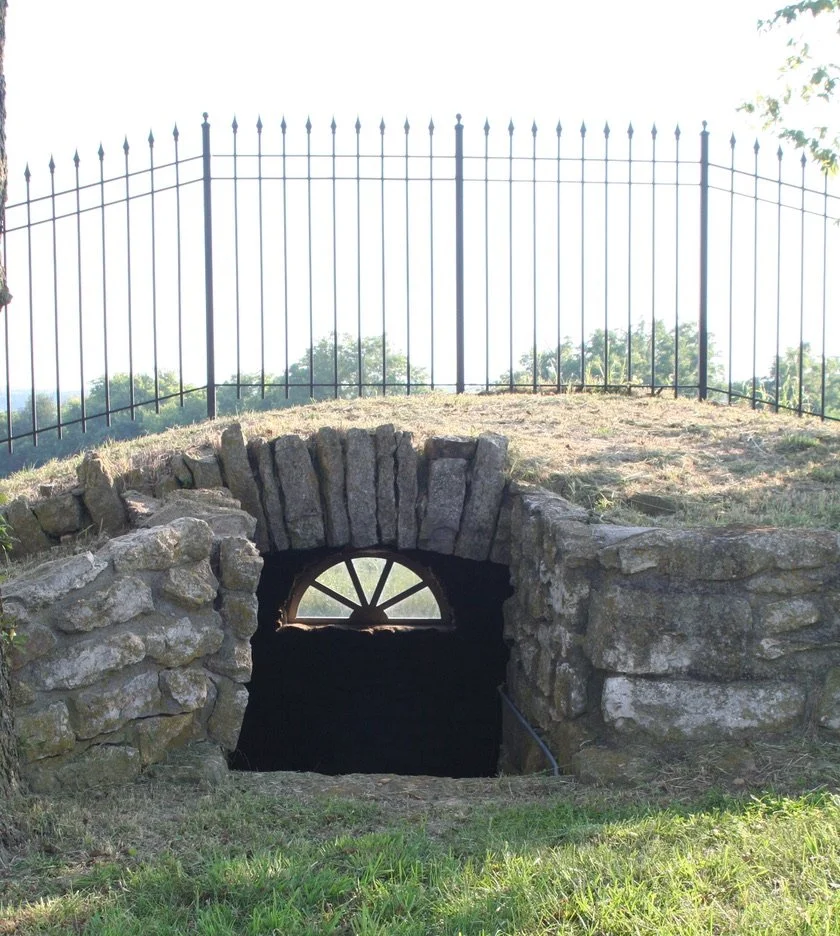
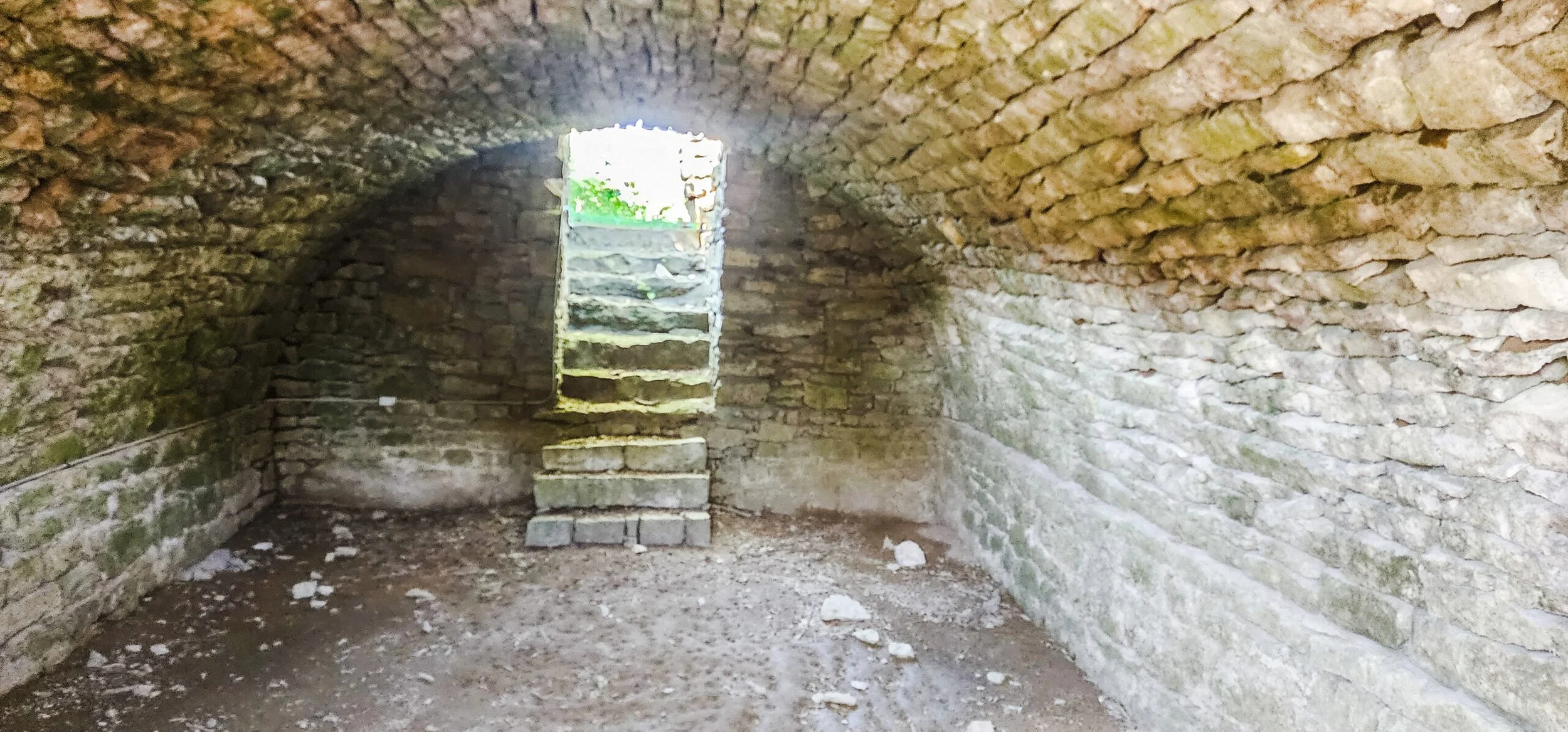
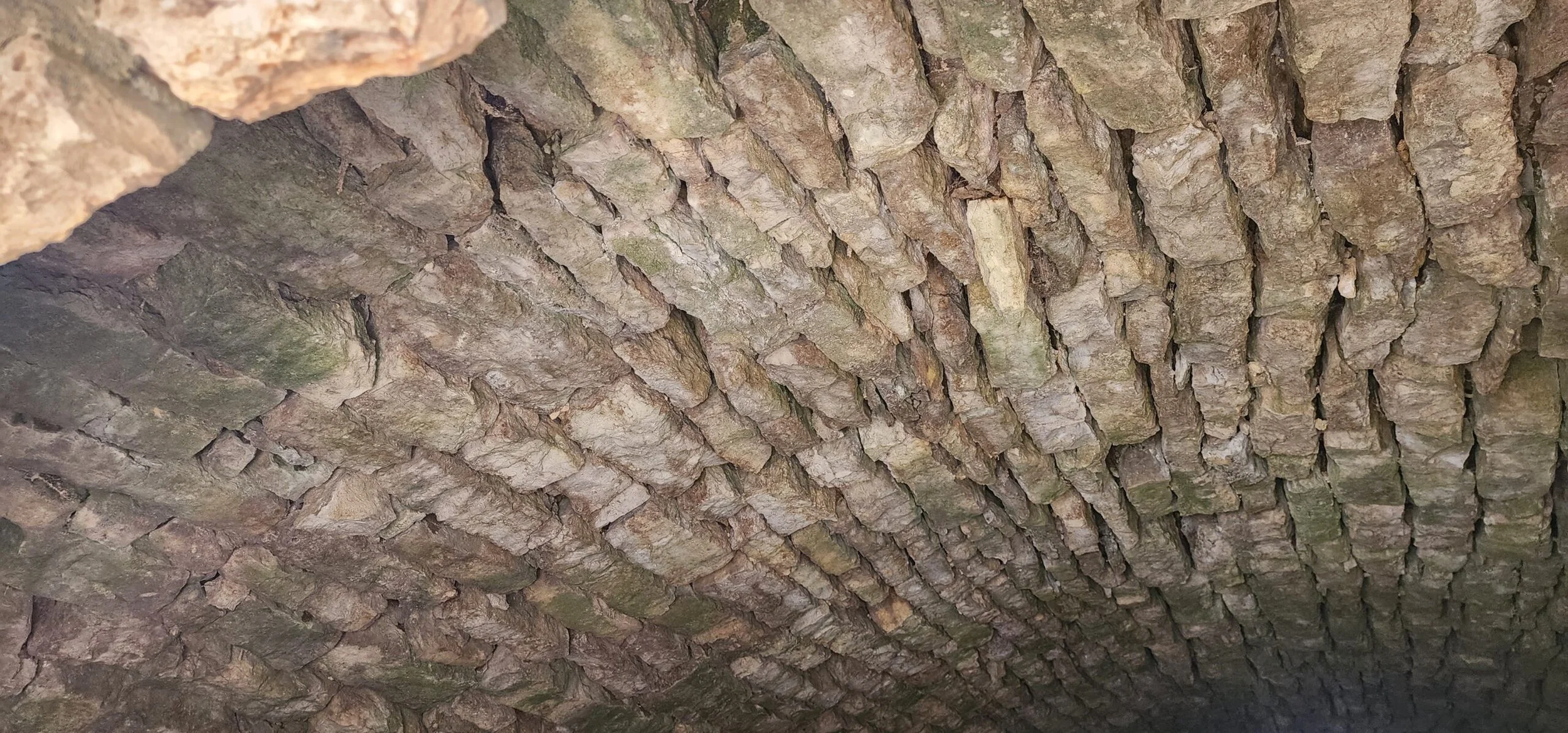
Floersch built an inn, taproom, and stagecoach stop known as the Halfway House, positioned along the Weston–Platte City toll road completed in 1849. The establishment served travelers moving by horseback, wagon, and stagecoach and became an important waypoint where people could eat, rest, and care for their horses. Beneath the structure, Floersch constructed a large arched limestone cellar and deep stone well, built without mortar and still standing today.
Historical research has revealed that during the turbulent years leading up to the Civil War—particularly during the rise of the Fugitive Slave Act of 1850 and pro-slavery militias in Platte County—the property and surrounding area were entangled in conflicts over slavery, freedom, and abolitionist activity. One key figure connected to the site is William Tooms, a Black man who lived and worked on Floersch’s farm and whose name appears in court records tied to a violent 1851 confrontation involving pro-slavery leader Hall Wilkerson.
Though Tooms was later found not guilty, his story highlights how Black lives and experiences in early Missouri were often hidden or erased from historical narratives.
Today, the Halfway House Project, supported by groups such as the Black Ancestors Awareness Campaign, seeks to preserve the remaining stone basement, document the stories tied to the property, and secure its recognition on the National Register of Historic Places. The goal is not only architectural preservation but also the recovery of overlooked regional history—particularly the intertwined stories of immigrants, enslaved people, abolitionists, and frontier conflict in pre-Civil War Missouri.
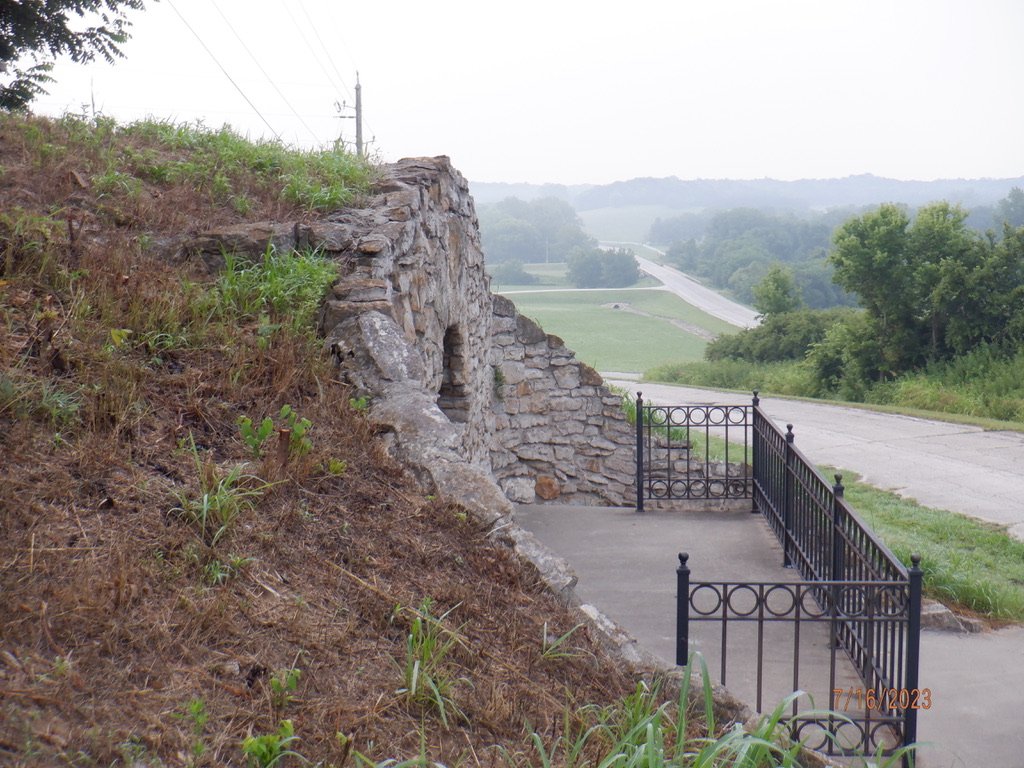
Halfway House Photos
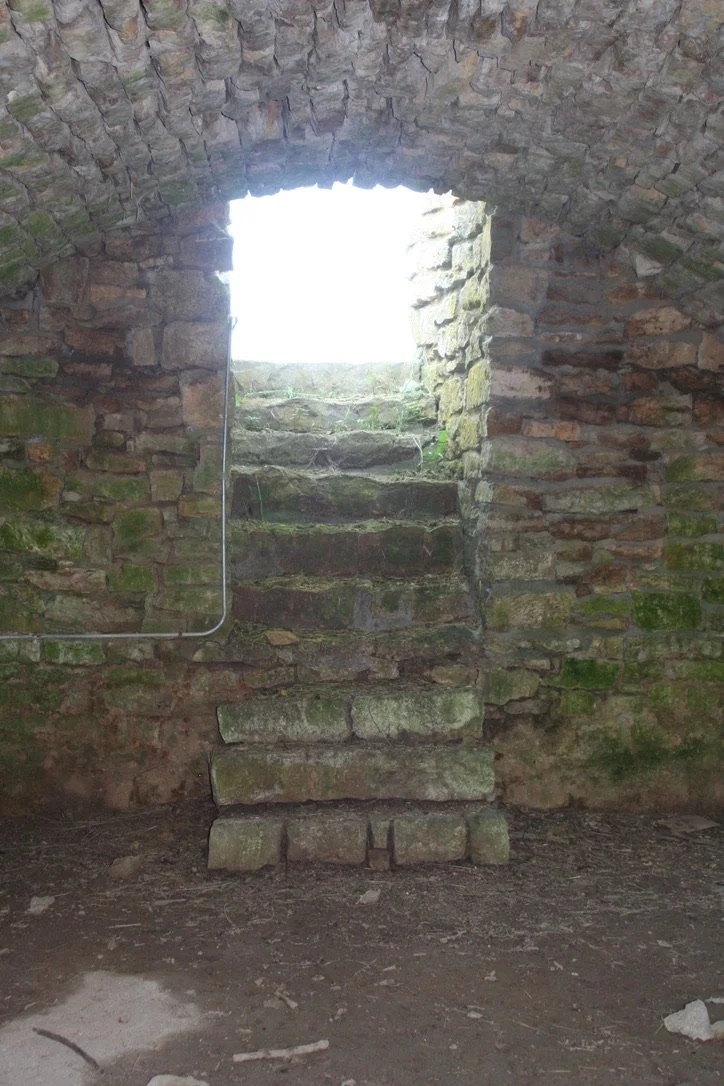
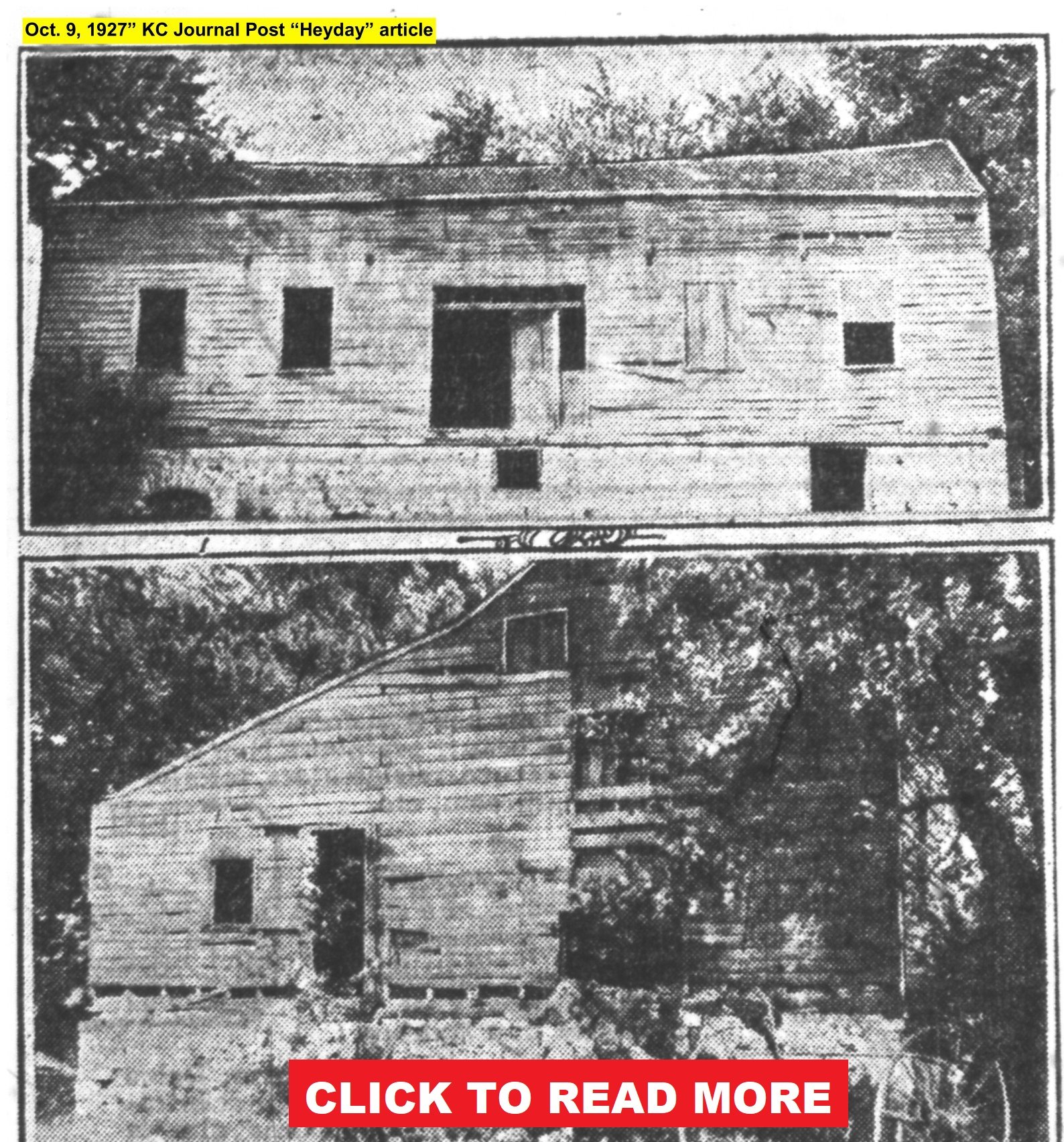
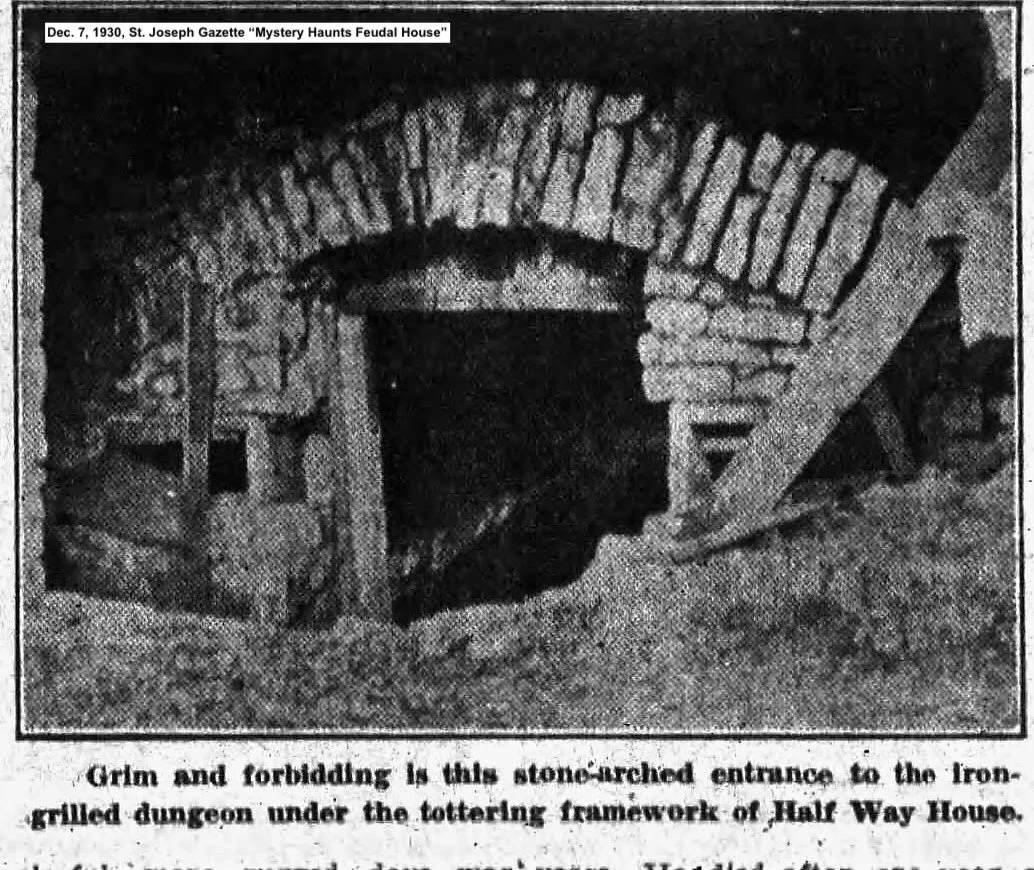
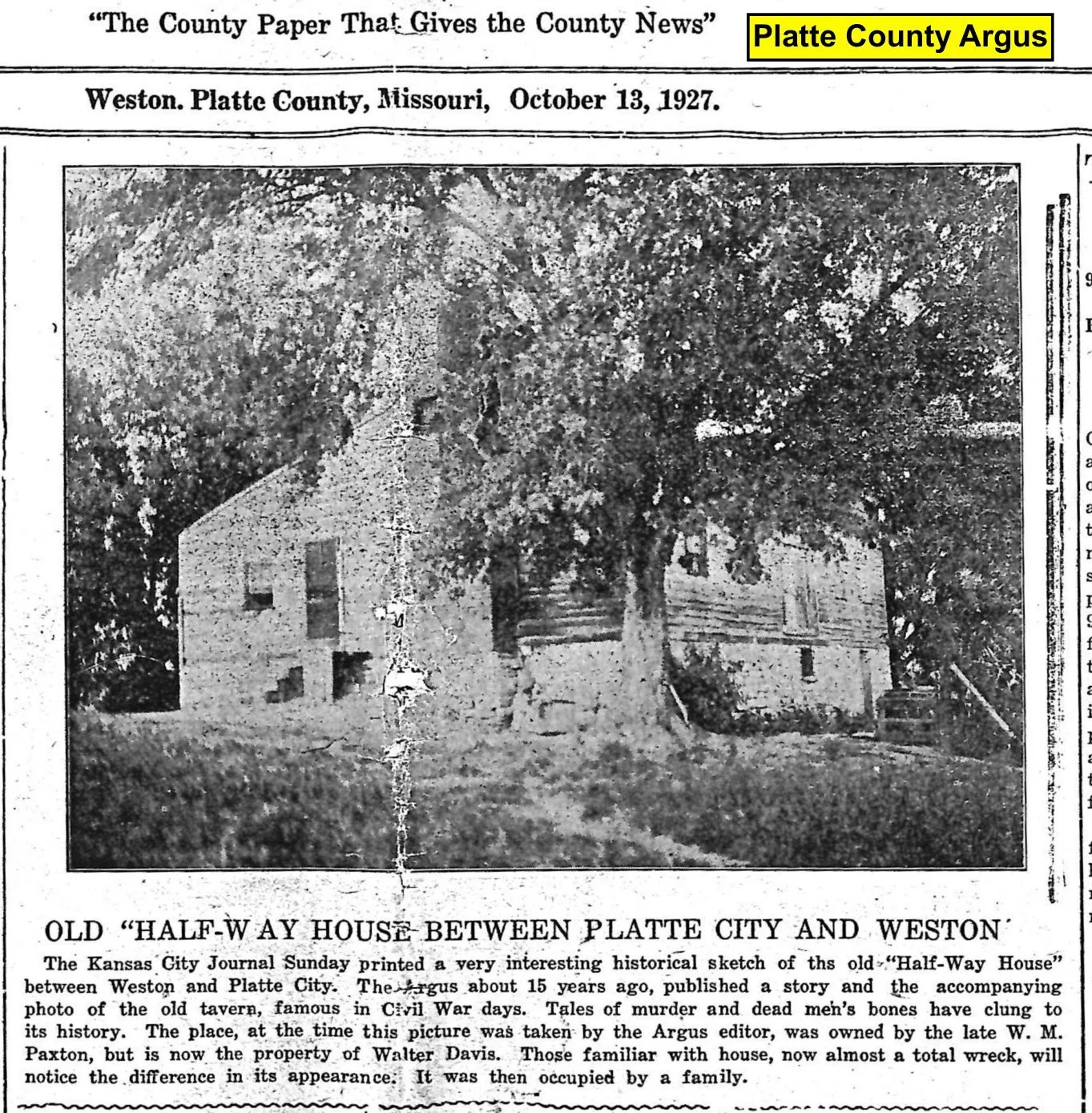
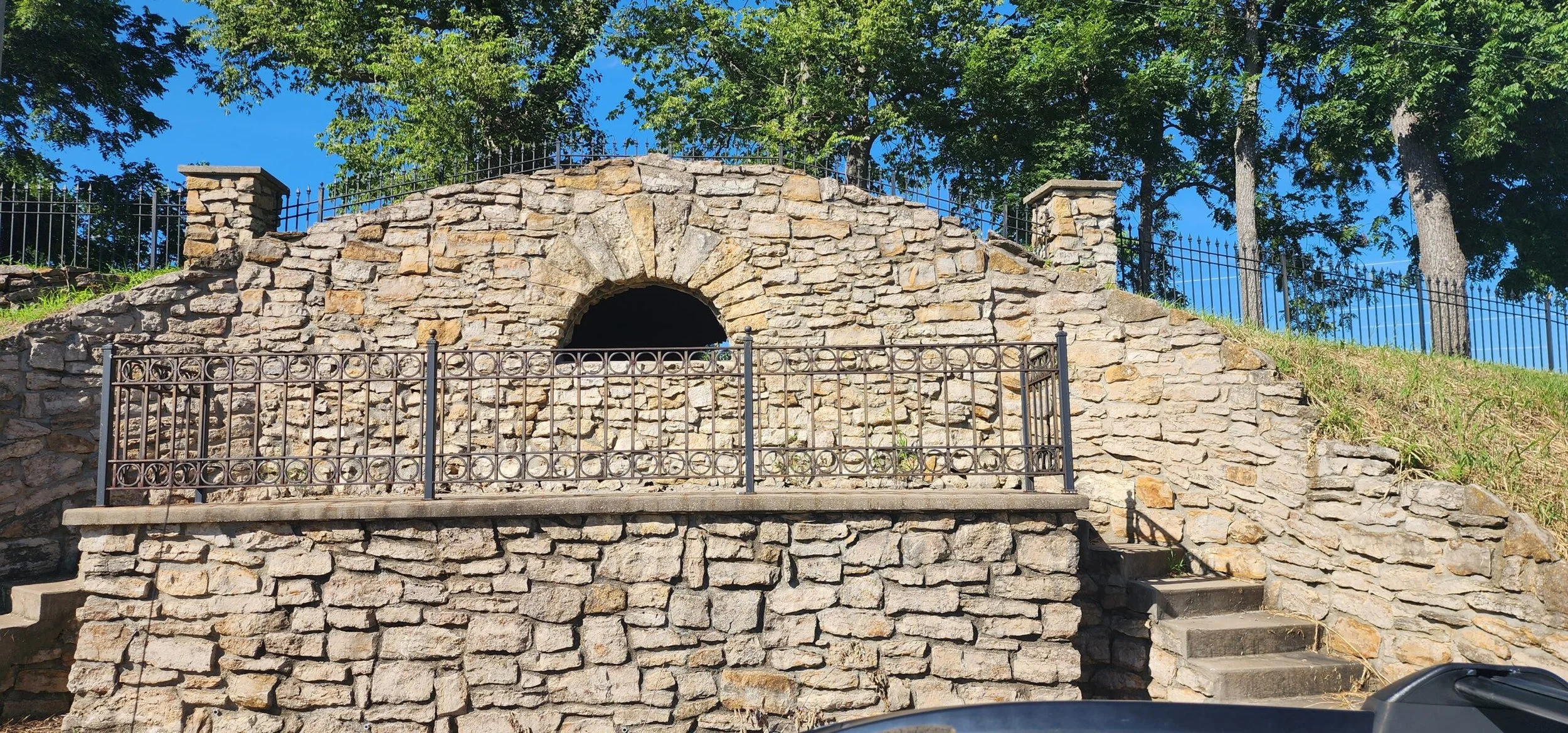
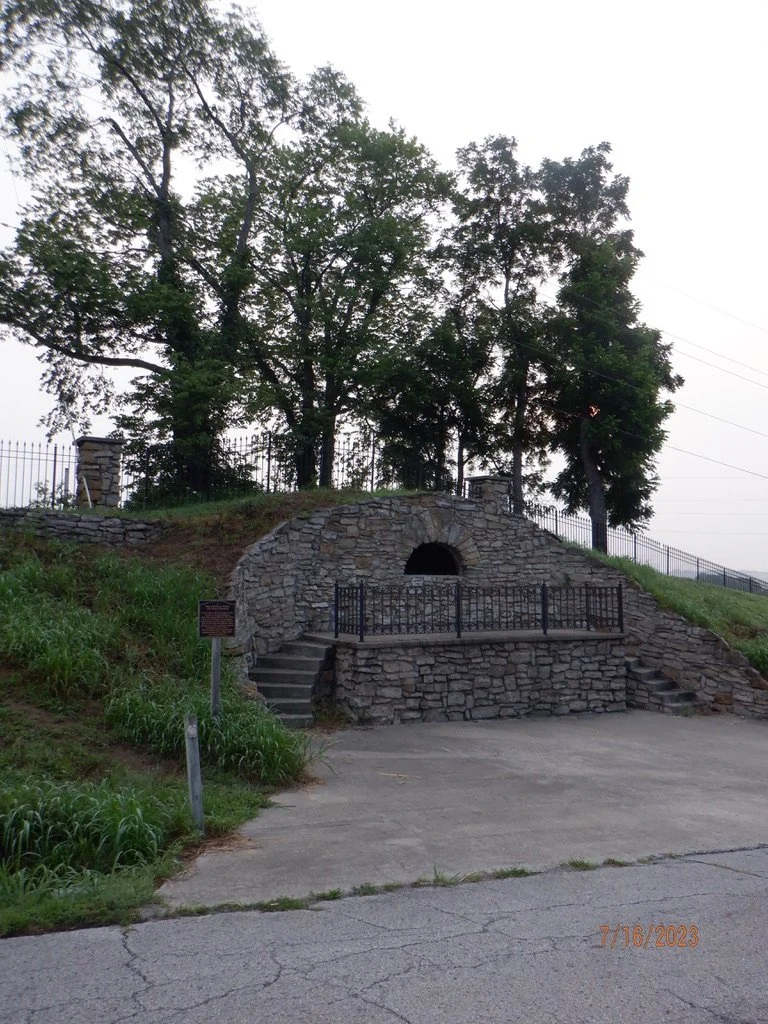
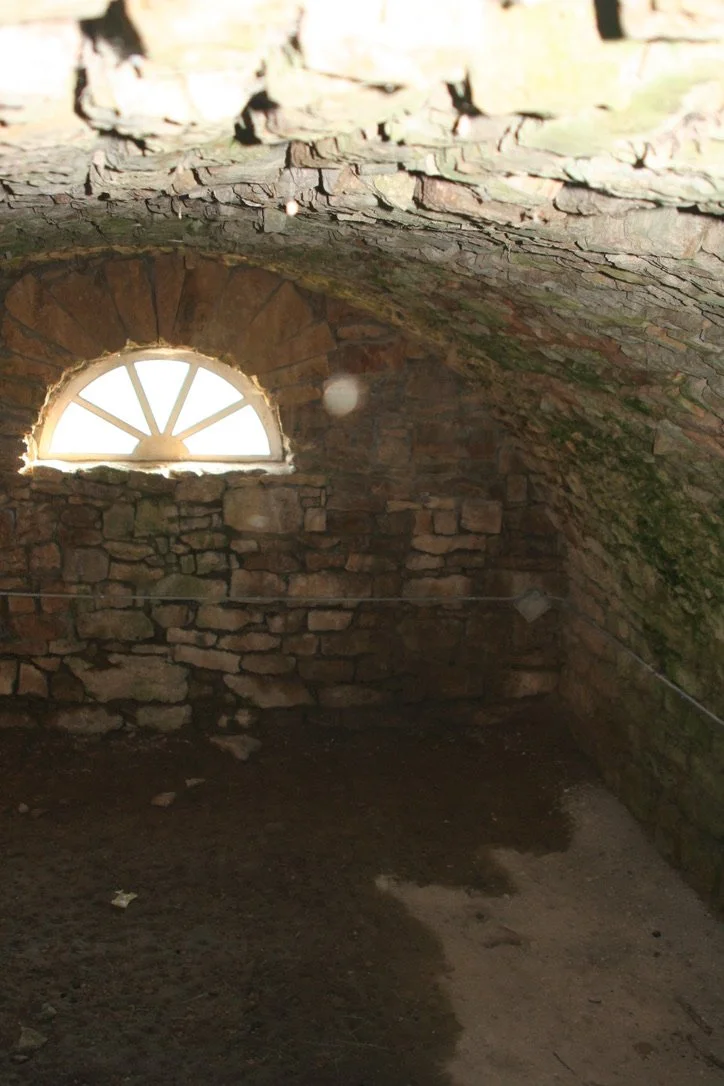
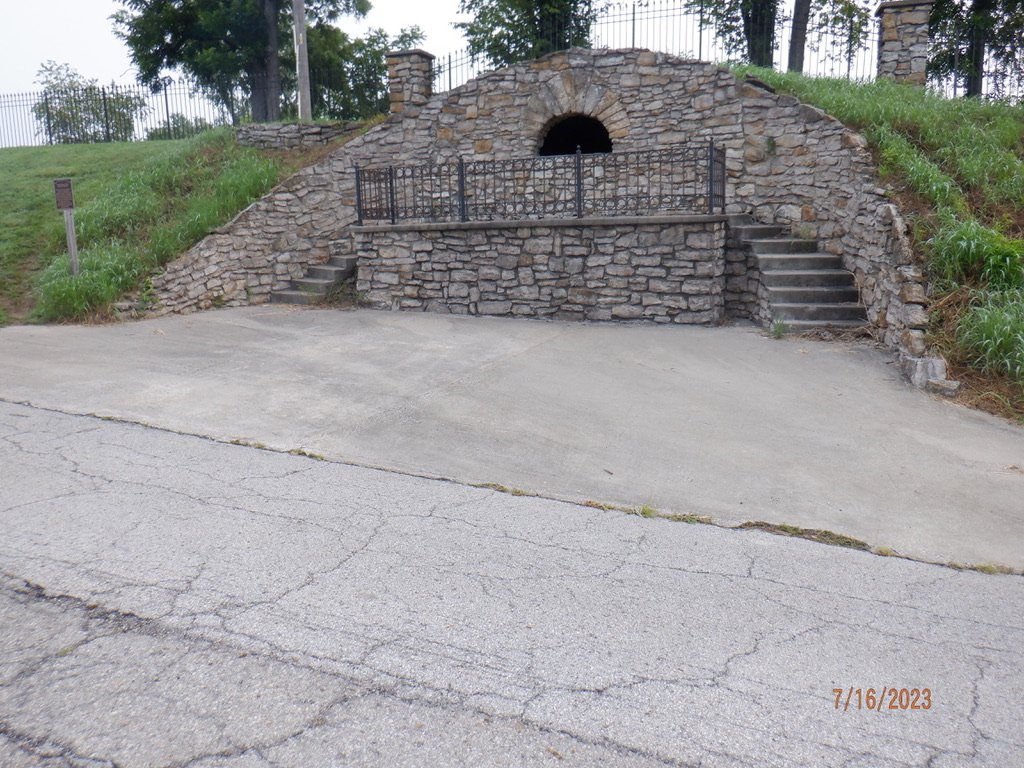
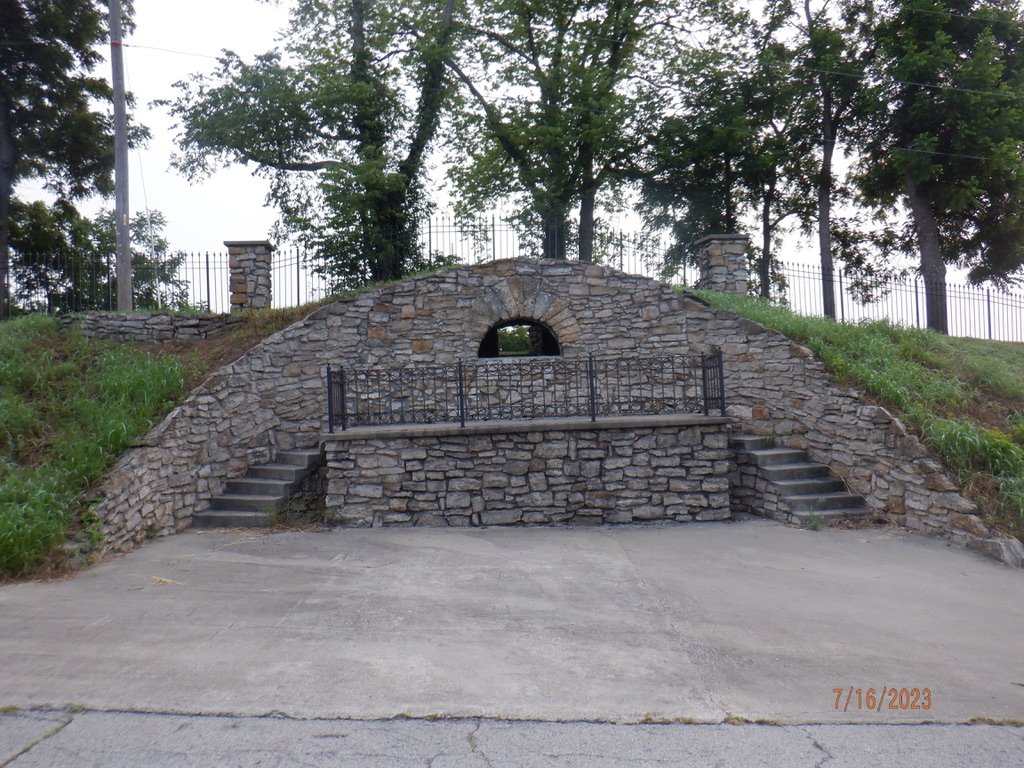
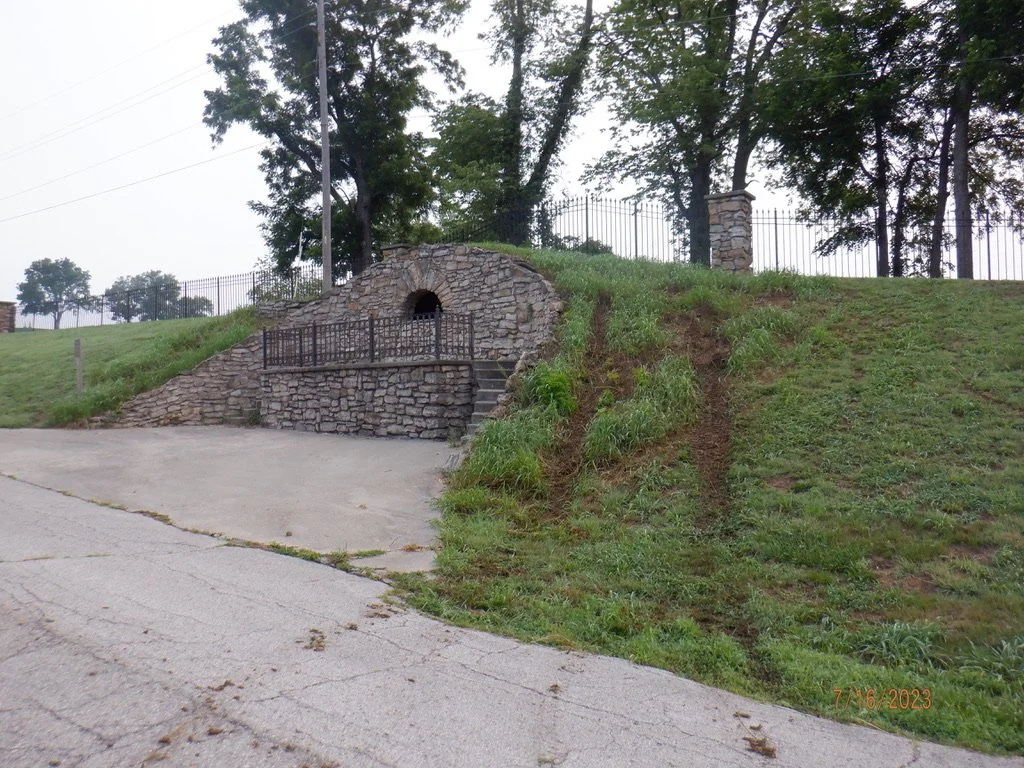
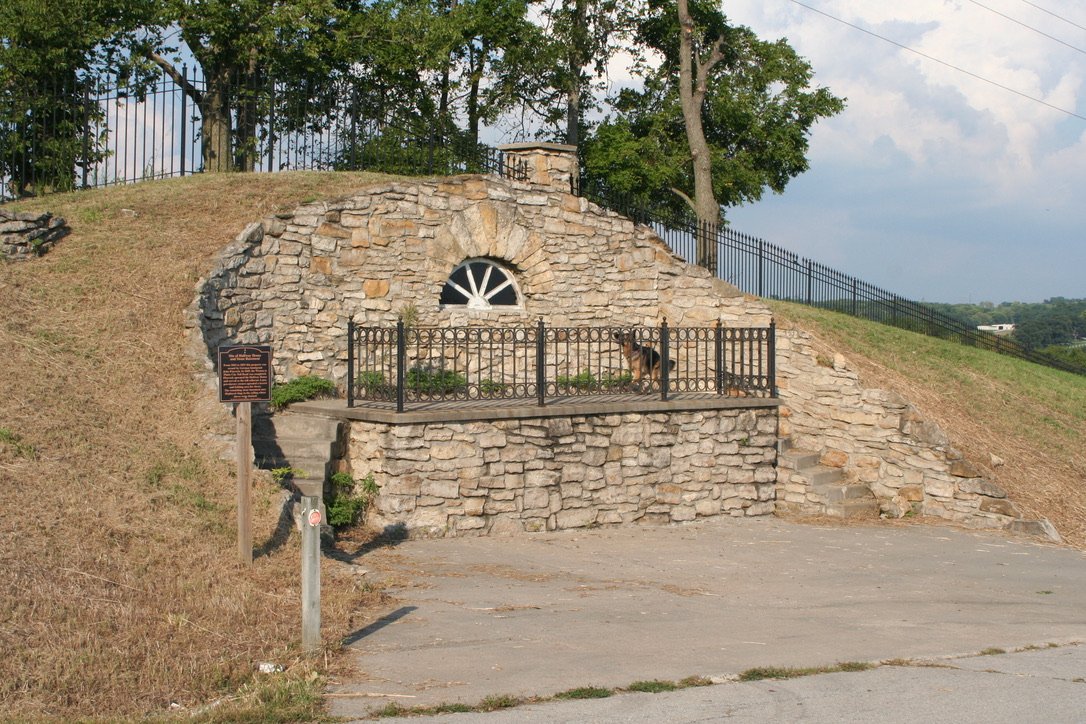
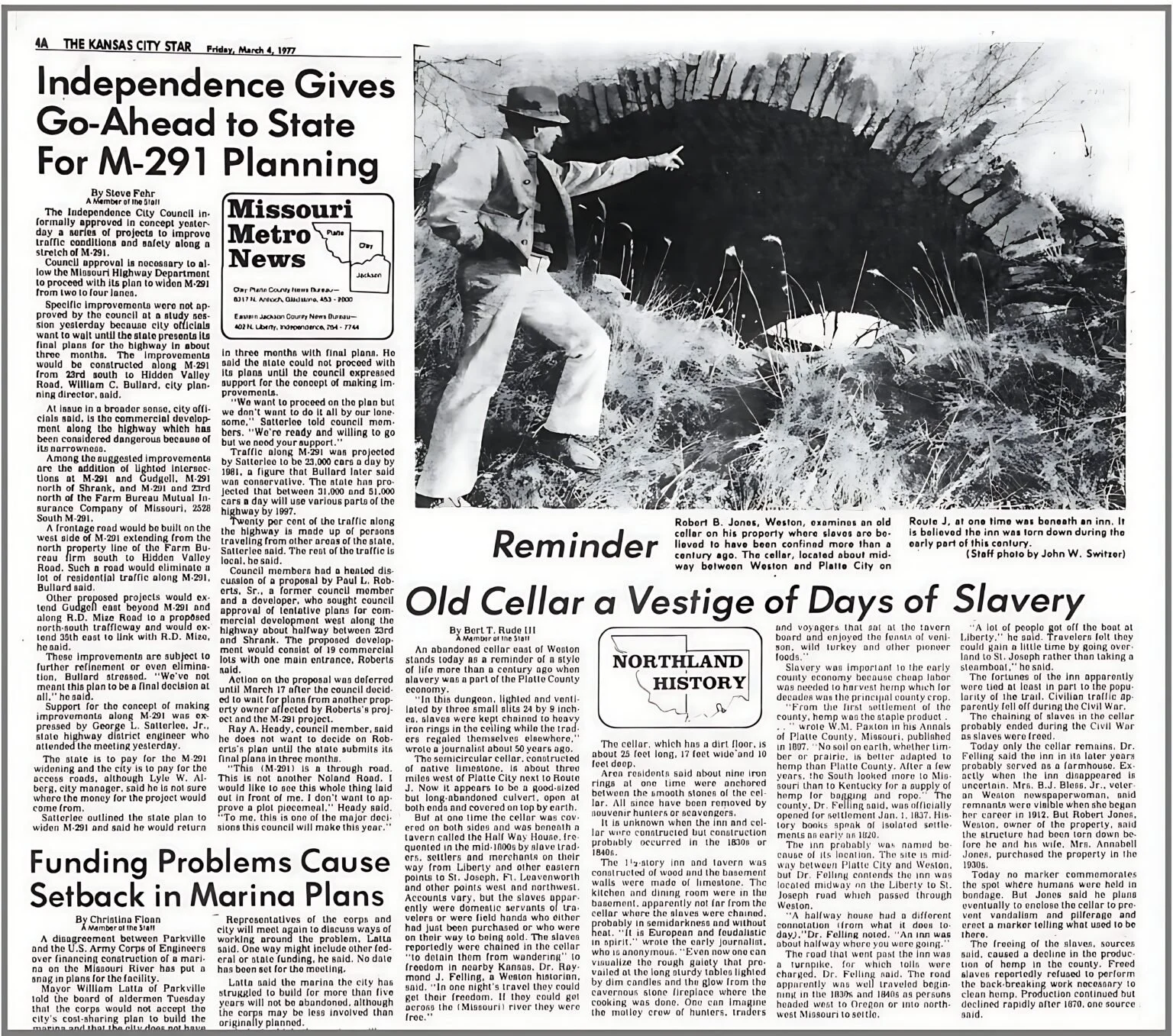
Videos of Halfway House
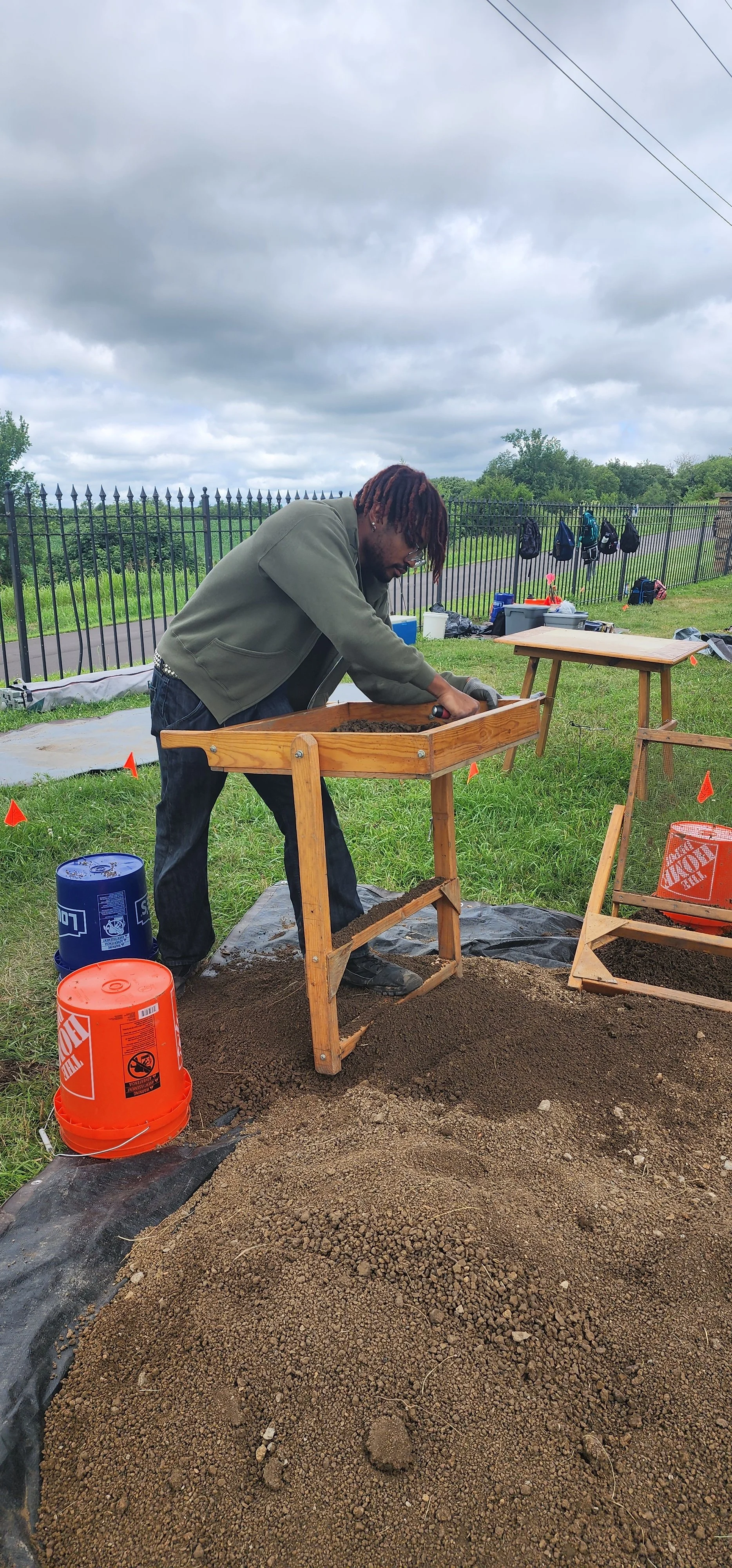
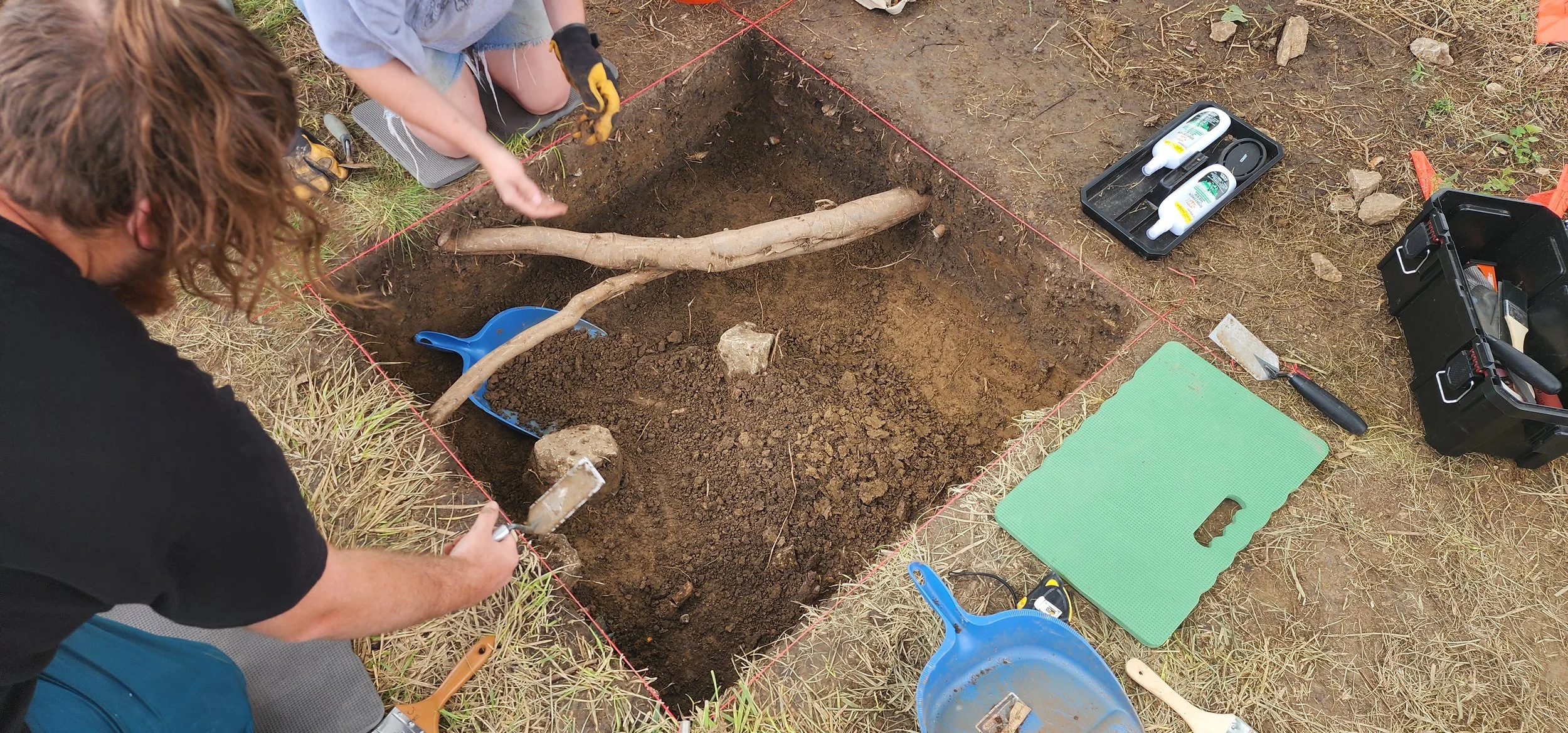
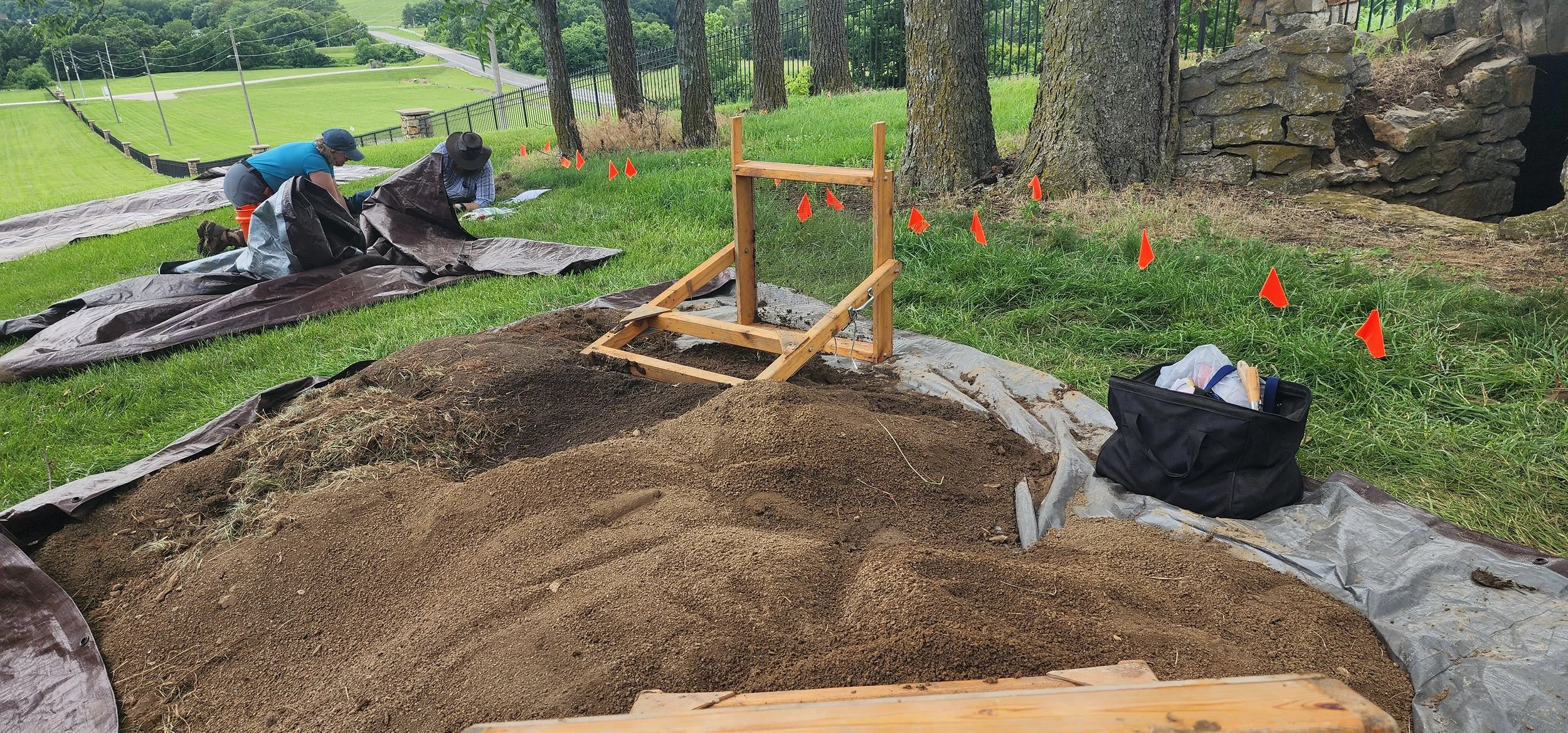
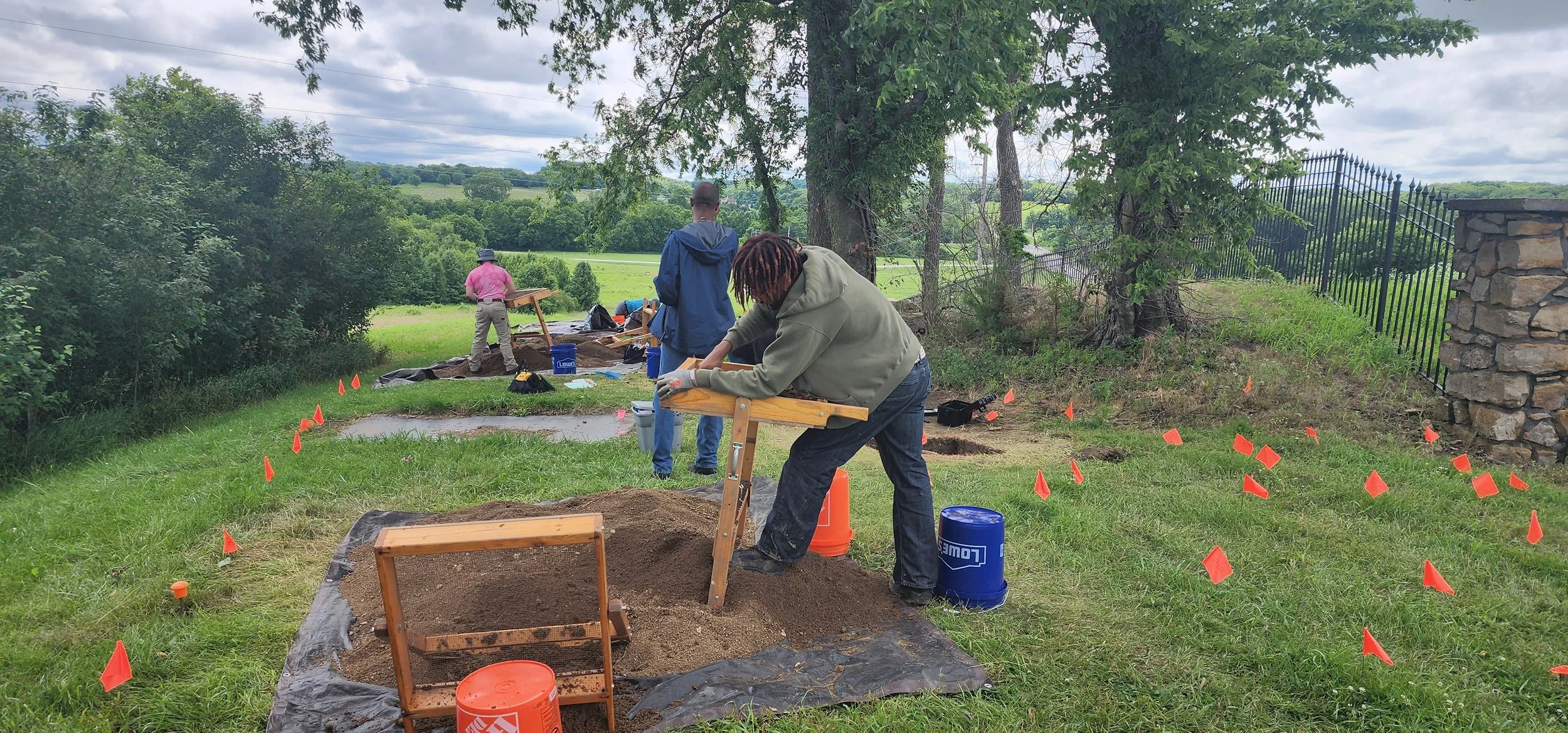
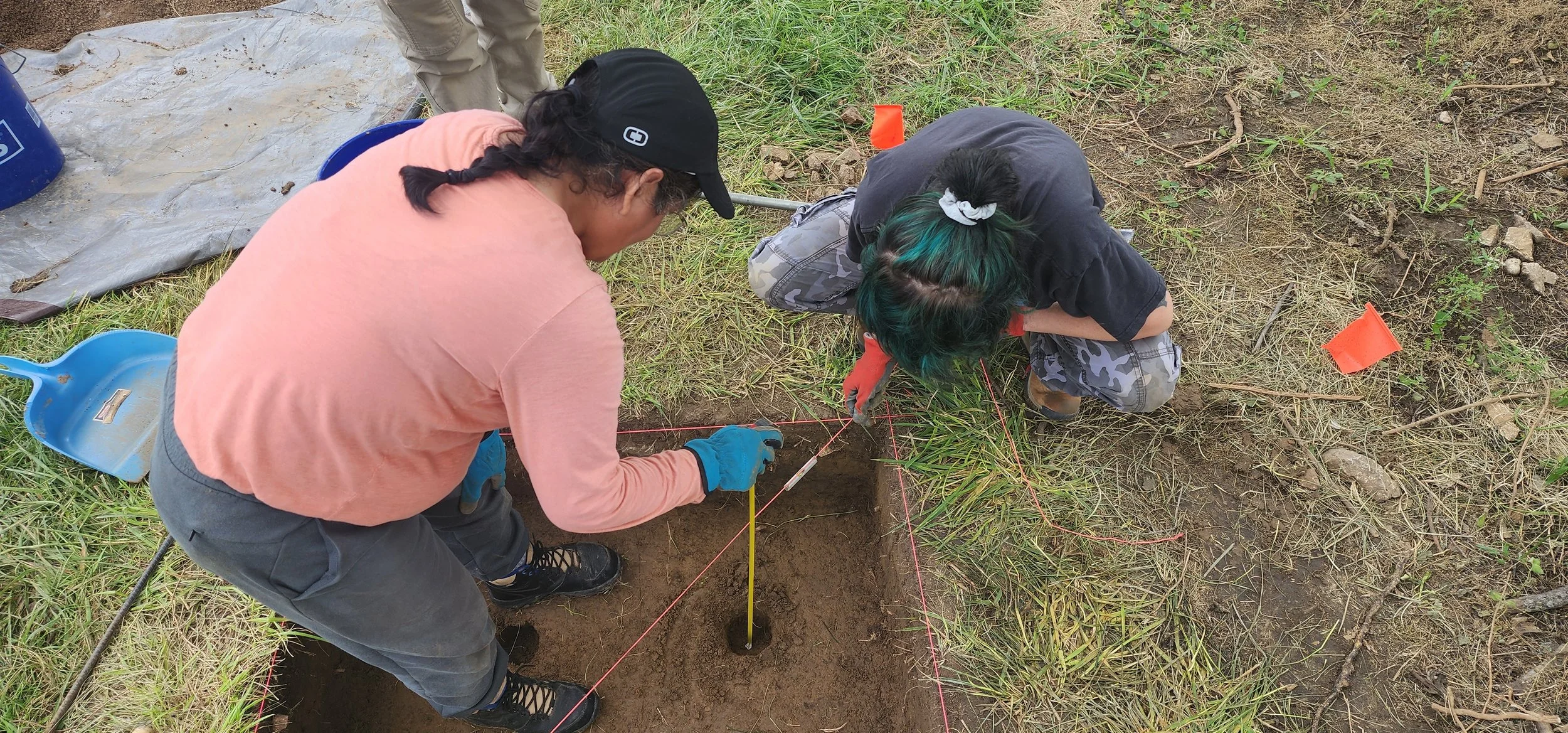
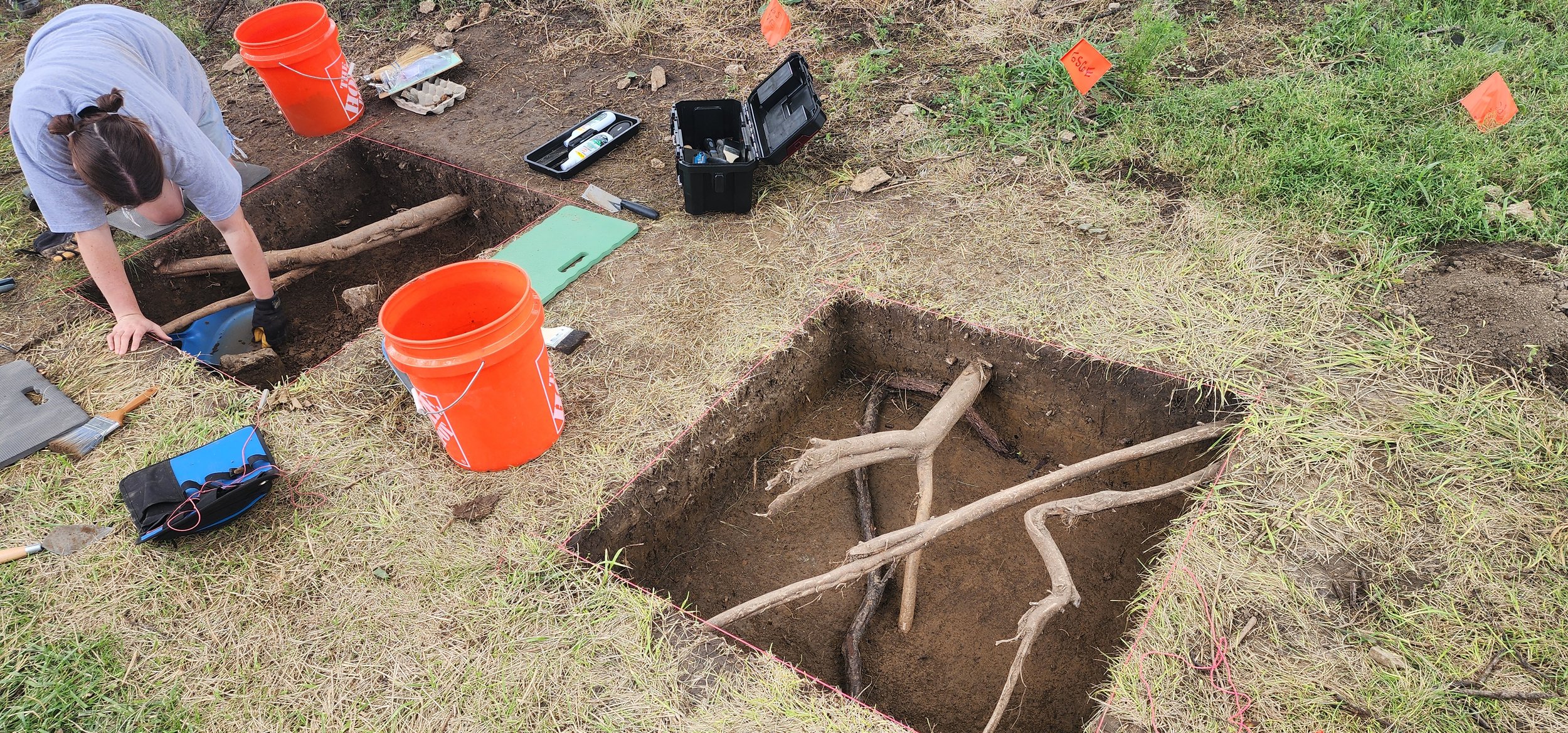
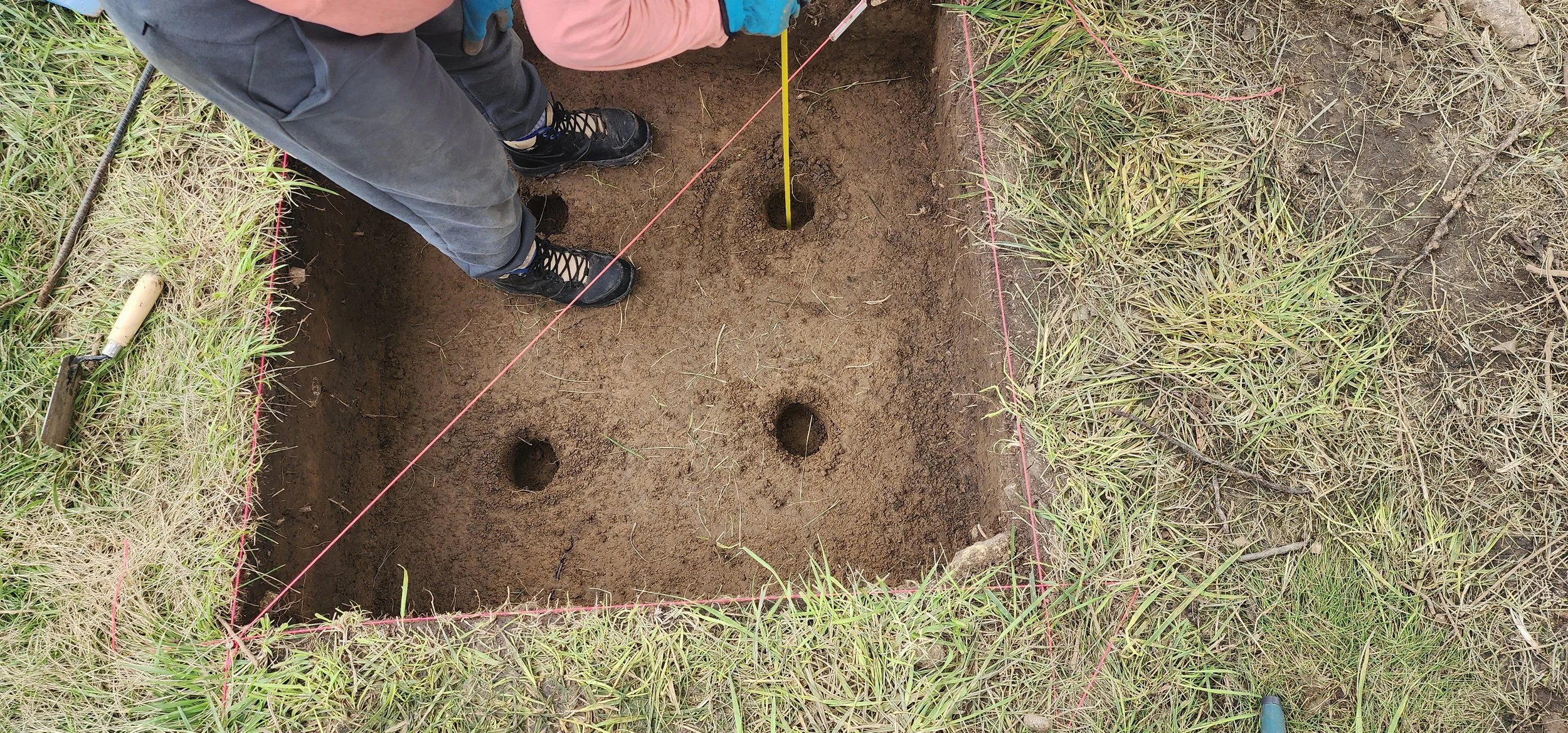
Archeological Dig