

Speaker Series 2026
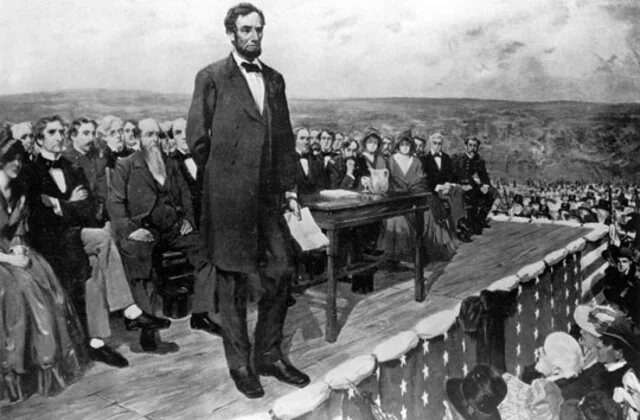
Summer Speaker Series:
The Lincoln Effect
4th Sundays, July | August | September
12:30-2:00 p.m. Fellowship Hall
The Lincoln Effect
How the legacy of Abraham Lincoln-especially his role in emancipation— was used to name and inspire institutions and laws long after his death.
Contact info@baacweston.org for details
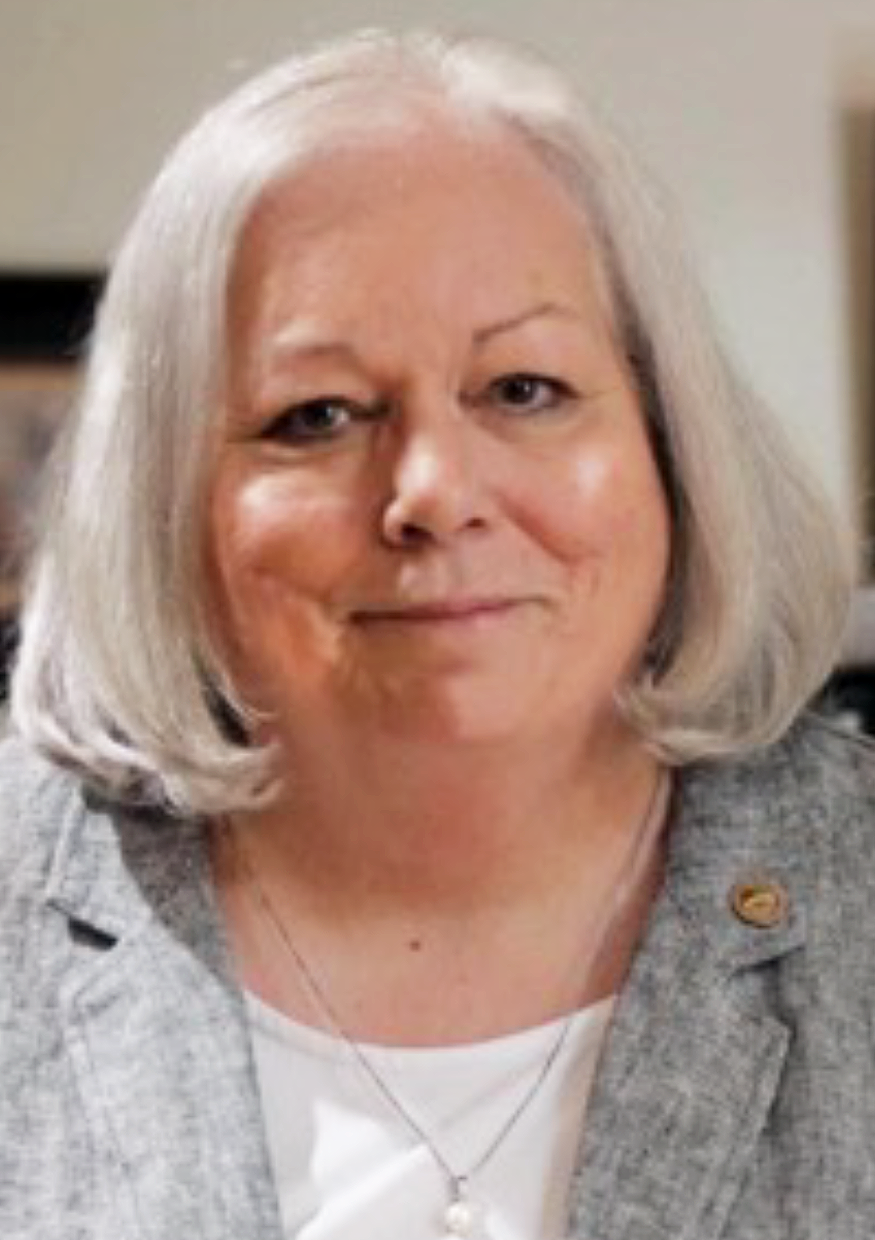
Dorris Keeven-Franke | July 26
Archer Alexander and the Underground Railroad
Historian and writer Dorris Keeven-Franke shares the story of Archer Alexander, a freedom seeker enslaved in St. Charles County who was first captured in February 1863 when sixteen men made their attempt for freedom at Howell’s Ferry on the Missouri River. Running for his life, as he had overheard his enslaver Richard Pitman, and other area men, plotting to destroy a vital railroad bridge nearby he had informed the Union Troops. Escaping, he made his way to St. Louis and the home of an abolitionist named William Greenleaf Eliot, where his enslaver once again attempted to recapture him. As Missouri was under Martial law, following a military investigation he was granted freedom, by September 24, 1863, through the provisions of Lincoln’s Second Confiscation Act. In 1865, when President Lincoln was assassinated, a fund for a memorial to Lincoln was initiated by Charlotte Scott and the Western Sanitary Commission assisted the formerly enslaved with this and requested the image of the enslaved man be that of Archer Alexander. The Emancipation Memorial was dedicated on April 14, 1876, in Washington, DC’s Lincoln Park. Alexander was buried in an unmarked grave in St. Peters United Church of Christ Cemetery in 1880 which is listed on the National Park Services National Underground Railroad Network to Freedom.

Dr. Debra Greene | August 23
Lost Campus – Lincoln University Early Buildings and their Architects
Established in 1866, Lincoln Institute got its first campus building in 1871. The oldest building on the campus today is the power plant which was built in 1922. The presentation discusses the eight buildings no longer on the campus and the local architects and building supply companies responsible for their construction. The presentation examines an overlooked campus-town relationship that contradicts the late 20th-century campus-town dynamic.
Dr. N.M. Shabazz | September 27
The Lincoln Effect: Black Educational Institutions and the Legacy of Emancipation
Historian and educator Dr. N.M. Shabazz examines what he describes as the “Lincoln Effect,” the widespread practice among African American communities of naming schools, colleges, and civic institutions after Abraham Lincoln in the decades following the Civil War. For newly emancipated people, Lincoln’s name symbolized not only freedom but also opportunity, education, and civic advancement.
Drawing on historical research from Missouri and Arkansas, Dr. Shabazz explores how institutions such as Lincoln Institute (now Lincoln University) in Jefferson City became powerful centers of educational development for African Americans in the late nineteenth and early twentieth centuries. Founded by formerly enslaved soldiers of the United States Colored Troops in 1866, the institution helped train generations of Black teachers who later served in schools throughout Missouri and neighboring states.
Dr. Shabazz’s presentation also connects this history to his broader research on Black educational culture before and after school desegregation. Through historical analysis and oral histories from African American educators, he examines how institutions inspired by the legacy of Lincoln contributed to the development of confidence, leadership, and professional self-efficacy among Black students who later shaped public education in cities such as Kansas City and St. Louis.
By exploring the historical meaning of Lincoln’s name within African American educational communities, the presentation highlights how emancipation-era ideals continued to influence Black institutional life long after the Civil War.